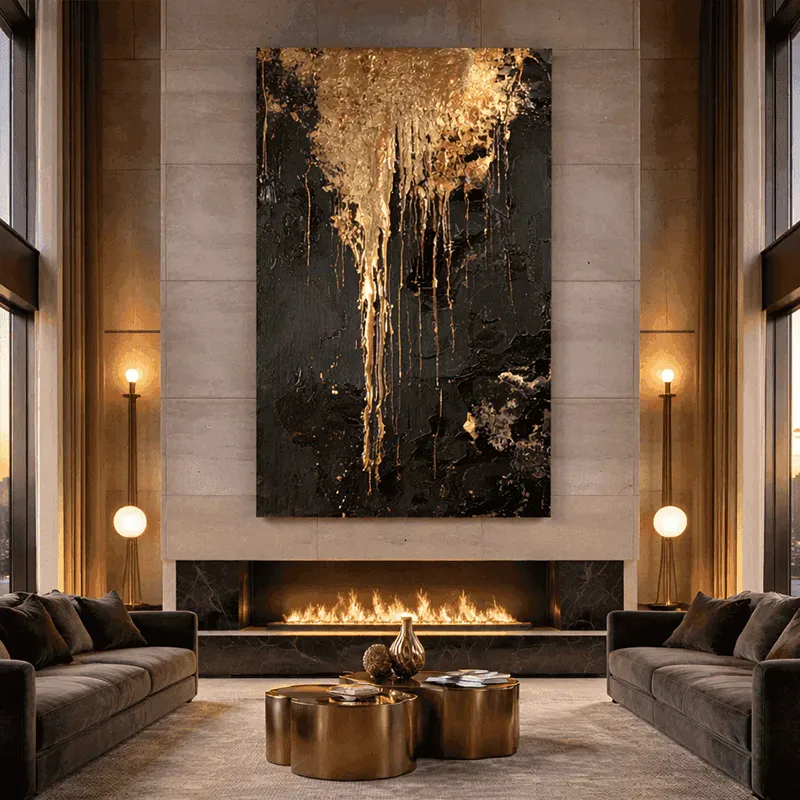
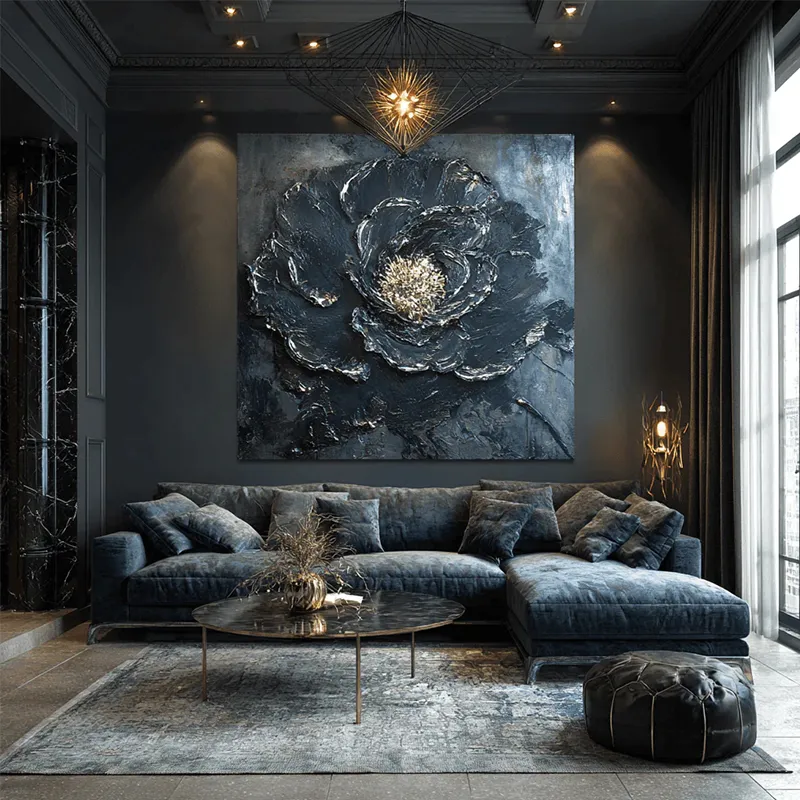
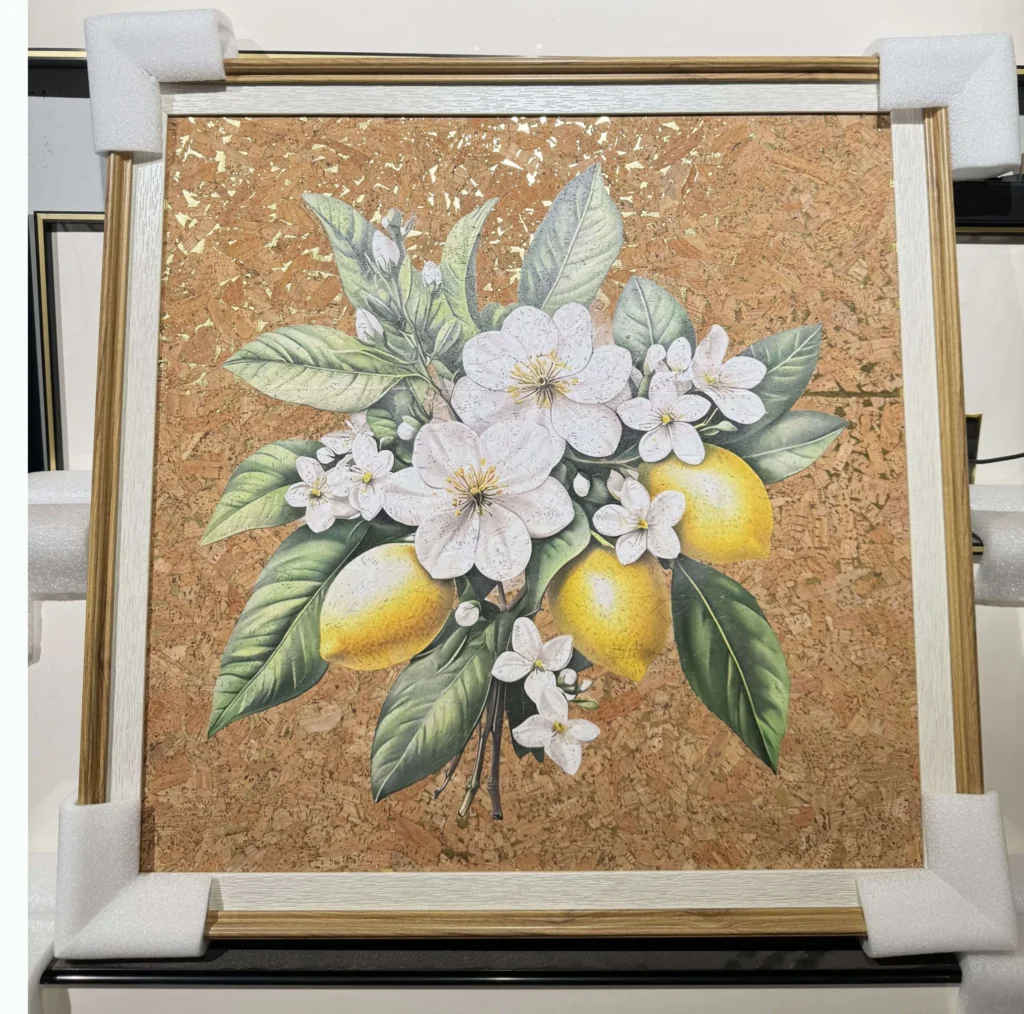
Buying a canvas painting online gives shoppers access to more subjects, sizes, and framing options than a typical local store. It also makes comparison faster, especially for buyers furnishing homes, offices, hotels, and other interior spaces.
The decision becomes more difficult when a new website has only a small number of customer reviews. In that situation, review volume should not be the only measure of trust. Material specifications, printing information, frame construction, size guidance, packaging, and after sales terms can provide stronger evidence of how carefully a product is made.
A Practical Standard for Judging Canvas Painting Quality
Online Canvas Art Requires Careful Evaluation
Product images are useful, but they cannot show every detail of a finished piece. Screens emit light, while printed colors depend on ink, canvas, lighting, and color management. A low-resolution source file may also lose sharpness when enlarged. For this reason, a reliable website should provide more than a styled room image. Close-up details, clear dimensions, material information, and accurate color descriptions help buyers form a more realistic expectation.
Thin synthetic fabric can create a strong plastic-like glare under spotlights or direct sunlight. Unstable stretcher bars may allow the canvas to loosen or wrinkle as indoor humidity changes. In addition, weak corner protection can cause damage during delivery. These risks are easy to miss when a product page focuses only on the front image.
Print Quality and Color Management
When comparing canvas paintings, look for a fine-art inkjet or Giclée process, pigment-based ink, a high-resolution source file, and a clear explanation of color management. Giclée describes a type of high-resolution inkjet output, but the term alone does not guarantee a superior result. The final appearance also depends on the canvas coating, printer settings, color profile, and production control.
Pigment-based ink can support better image stability than dye-based ink when it is matched with suitable media and used in an appropriate display environment. The Northeast Document Conservation Center guide to long-lasting inkjet prints provides a useful non-commercial reference on ink stability and print preservation.
Multi-color printing and ICC color management can improve color transitions and detail reproduction, but equipment numbers are not a substitute for proper calibration. Buyers ordering a large or customized image should also confirm the source resolution, expected cropping, color adjustments, and approval process before production.
Canvas Material and Frame Construction
Canvas weight is a useful starting point, but it should be considered together with fiber content, weave, coating, texture, and stretching performance. A matte cotton or cotton-linen blend often provides a more natural surface than a thin synthetic fabric. For any painting on canvas, the surface finish also affects how the artwork looks under indoor lighting.
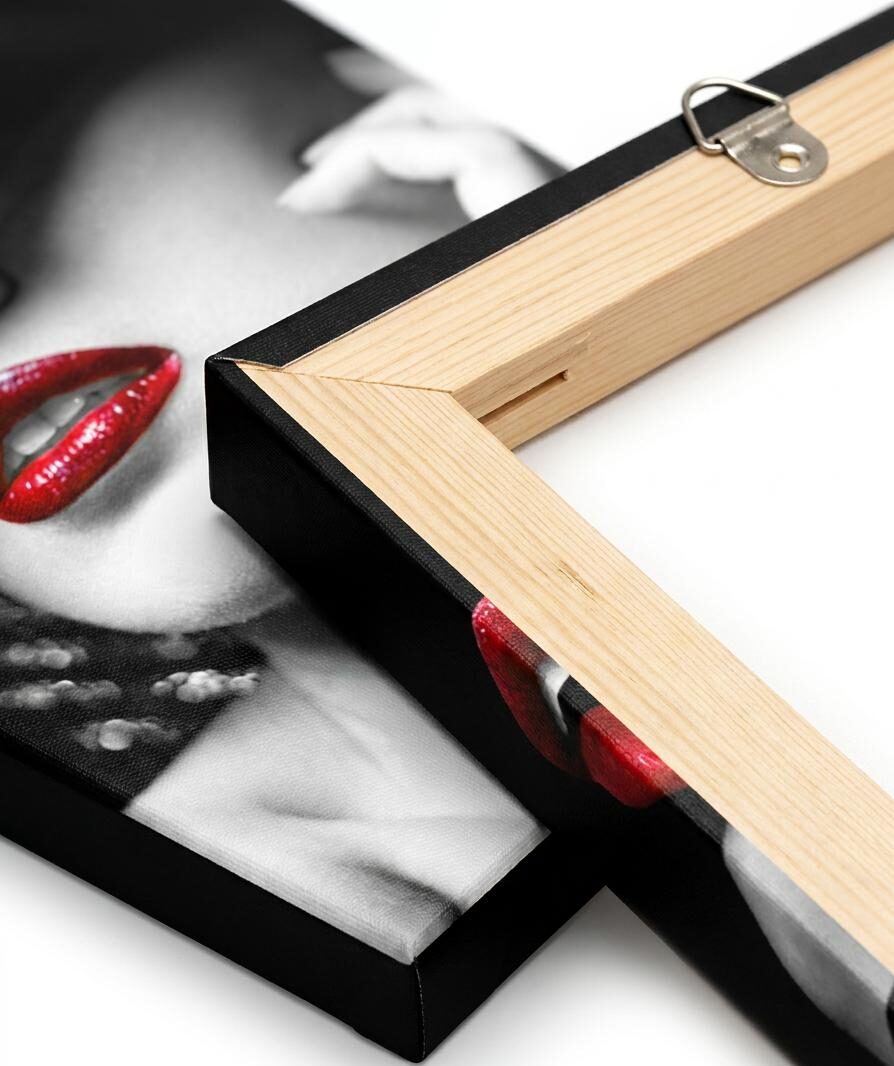
The stretcher bars deserve equal attention. Kiln-dried wood can offer more stable dimensions than inadequately dried timber, although the result also depends on bar thickness, joints, cross supports, and assembly quality. A canvas frame painting should have evenly tensioned fabric, clean corners, and a tidy reverse side.
Gallery wrap means that the image continues around the edges and is secured to the back of the stretcher bars. This style can create a clean, dimensional appearance without an additional outer frame. Buyers should check whether the edges are printed, folded, or finished in a neutral color, especially when the artwork will be viewed from the side.
Some products use a light matte protective coating to reduce the effect of dust and minor contact. This coating should not be presented as a guarantee of complete waterproofing, scratch resistance, or permanent protection from sunlight. Keep canvas art away from prolonged direct sun, high humidity, and areas with frequent water vapor. Use a soft dry cloth for routine dust removal and avoid alcohol or strong cleaning products.
Size and Room Context
Clear dimensions in both centimeters and inches help buyers compare canvas paintings accurately. Room scenes, furniture references, and wall previews are also valuable because a piece can look balanced in a product image but appear too small or too large in the intended space.
For artwork above a sofa, bed, or console, a total width of roughly two-thirds to three-quarters of the furniture width is a practical starting point. For example, a sofa around 2 meters wide may pair well with a single piece or grouped arrangement measuring approximately 1.3 to 1.5 meters in total width. The final choice should also consider the wall height, viewing distance, surrounding decor, and spacing between multiple pieces.
A center point around 145 to 155 centimeters from the floor often provides a comfortable standing viewing height. Above furniture, however, the furniture height and seated sightline also matter. Use the room as the final reference instead of applying one fixed measurement to every installation.
Packaging and After Sales Support
Canvas art has a broad surface area, while its corners and edges are vulnerable to impact. A dependable packing process may include custom corner guards, multiple layers of cushioning, internal stabilization, and a rigid corrugated carton. A statement such as “safe packaging” is less useful when the page does not explain the actual protection steps.
Before placing an order, review the production time, shipping method, damage replacement process, return conditions, and available contact channels. For customized or commercial orders, confirm the agreed specifications in writing. Clear after sales terms reduce uncertainty when the product is being shipped across borders or delivered to a project site.
Building Confidence Without a Long Review History
When a website has limited reviews, start with the consistency of its information. Compare the product page, specifications, FAQ, and order confirmation. The stated material, dimensions, frame thickness, production time, and packaging details should not change from one page to another.
You can also request close-up images of the printed surface, stretcher bars, corners, reverse side, and shipping carton. Buyers furnishing hotels, offices, restaurants, or other commercial interiors may prefer a small sample order or a material confirmation before approving a larger quantity. These steps provide direct evidence without relying on an inflated rating count.
Customer service quality matters as well. A useful response should answer specific questions about canvas composition, frame thickness, edge treatment, color adjustment, or damage handling. Repeated claims such as “premium quality” and “reliable service” are less informative than clear specifications and written confirmation.
Reviews should be collected gradually from real customers. A new brand should not fill the gap with invented testimonials, unverified star ratings, or sample images presented as customer photos. Transparent information is a more sustainable way to build trust while genuine feedback accumulates.
Our Current Production Standards
Rather than replace missing reviews with exaggerated claims, we make the production details available for inspection. Where these specifications apply, our current canvas standard includes 360g or heavier matte cotton and linen-blend fabric, 12-color pigment ink output with ICC color management, and 2.8 to 3.8 cm kiln-dried wood stretcher bars.
The finishing process may also include hand-stretched edges, a light matte protective layer, custom corner guards, double bubble wrap, and a five-layer reinforced corrugated carton. These details should always match the individual product page and order confirmation because materials, sizes, and construction may vary between designs.
If you need a custom size, color adjustment, edge treatment, or project quantity, request written confirmation before production. A clear record helps both the buyer and the supplier maintain the same expectations from artwork approval through delivery.
A Practical First Order Checklist
Before you buy canvas wall art online, review the following points:
- Confirm the finished dimensions, orientation, image ratio, and cropping method.
- Check the canvas composition, weight, surface finish, stretcher bars, and edge treatment.
- Review close-up images for texture, sharpness, and color transitions.
- Use furniture references or tape on the wall to test the intended scale.
- Confirm the production time, packing method, shipping terms, and damage process.
- Keep written specifications for customized colors, sizes, or commercial quantities.
After reviewing these details, you can browse our Canvas Wall Art collection and compare subjects, sizes, materials, and framing options in context. If you need help confirming a color, dimension, package specification, or project requirement, contact our team before ordering.
For buyers comparing canvas painting websites, the most reliable signals are not always the number of reviews. Clear specifications, verifiable production details, practical size guidance, protective packaging, and responsive after sales support provide a stronger basis for a careful purchase.