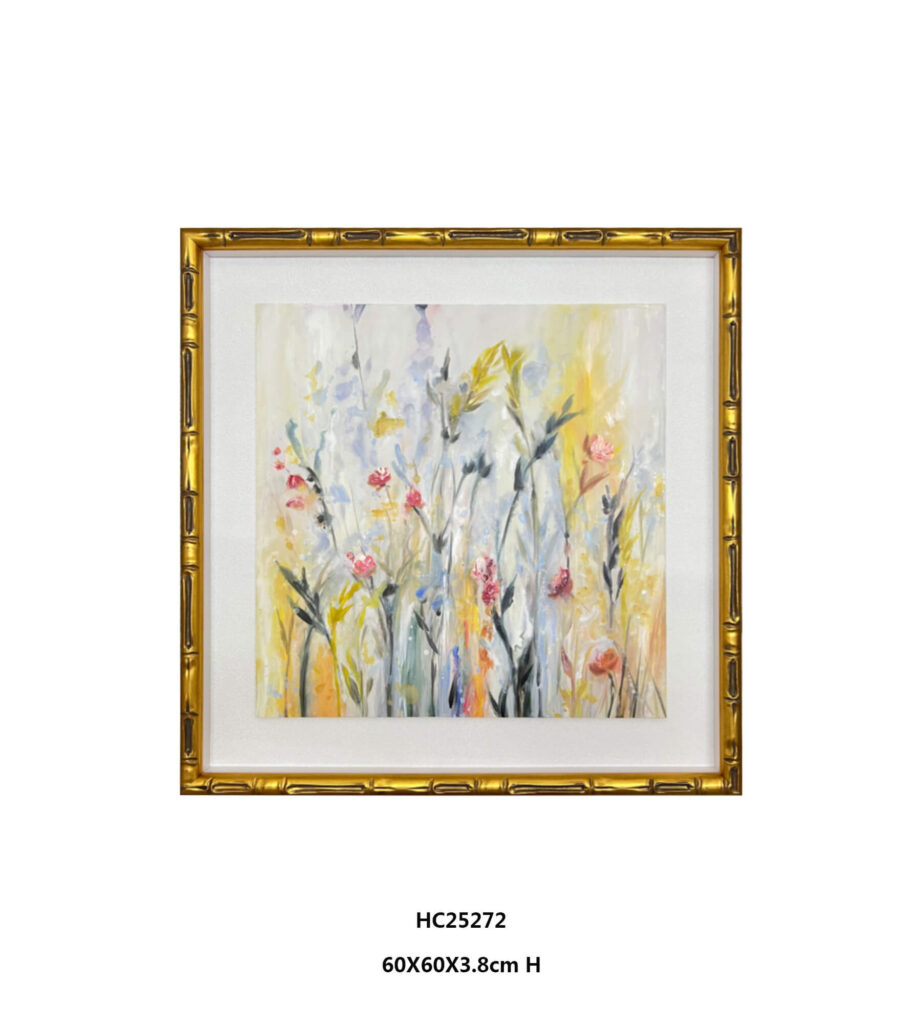
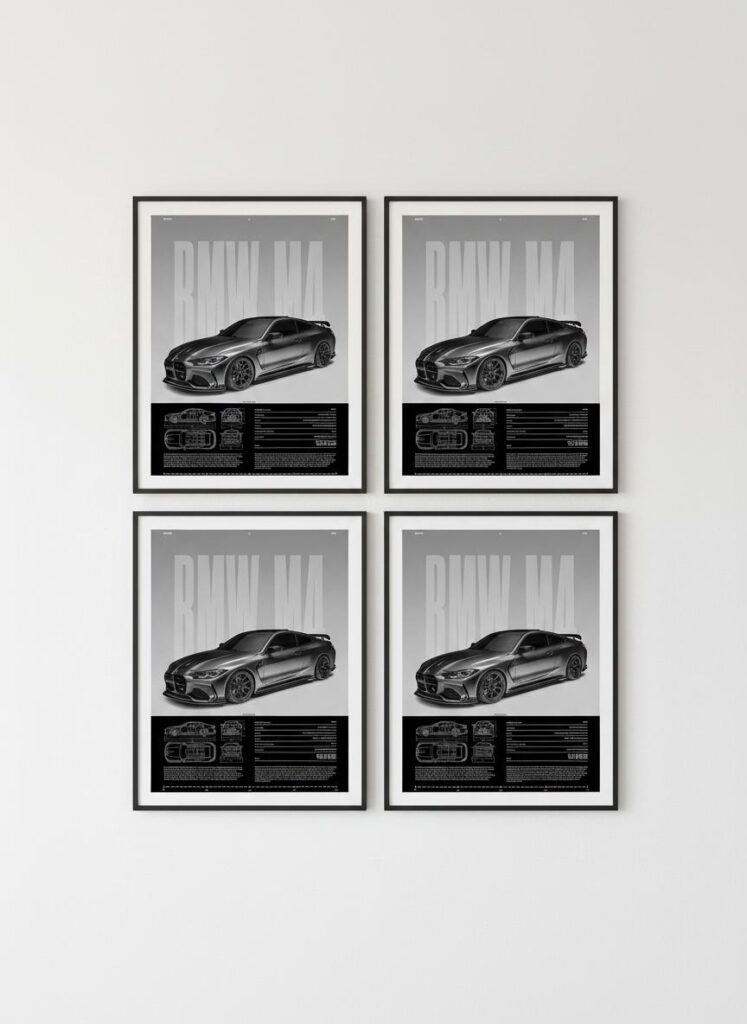
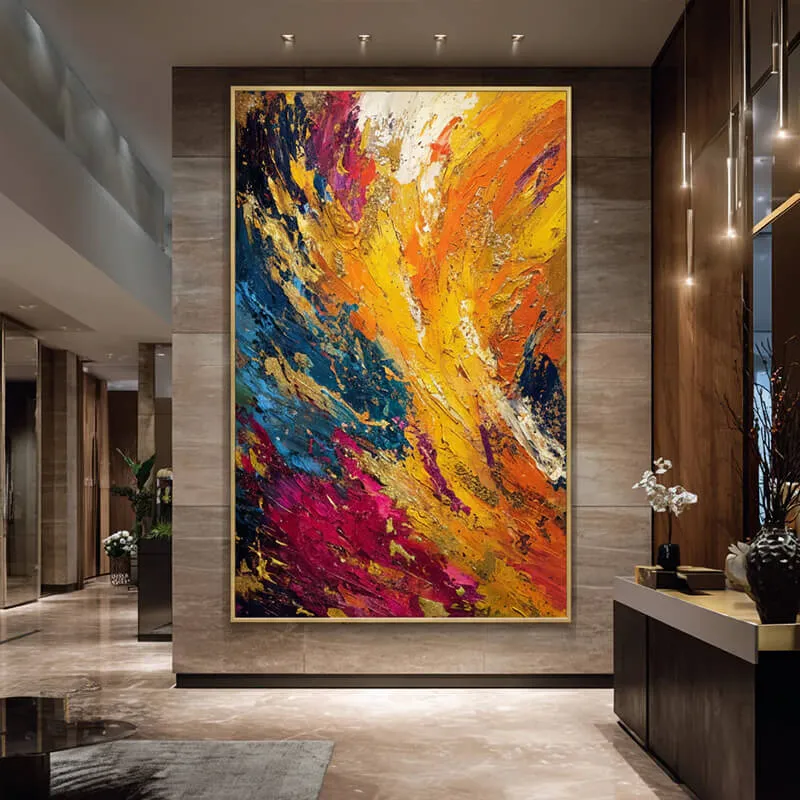
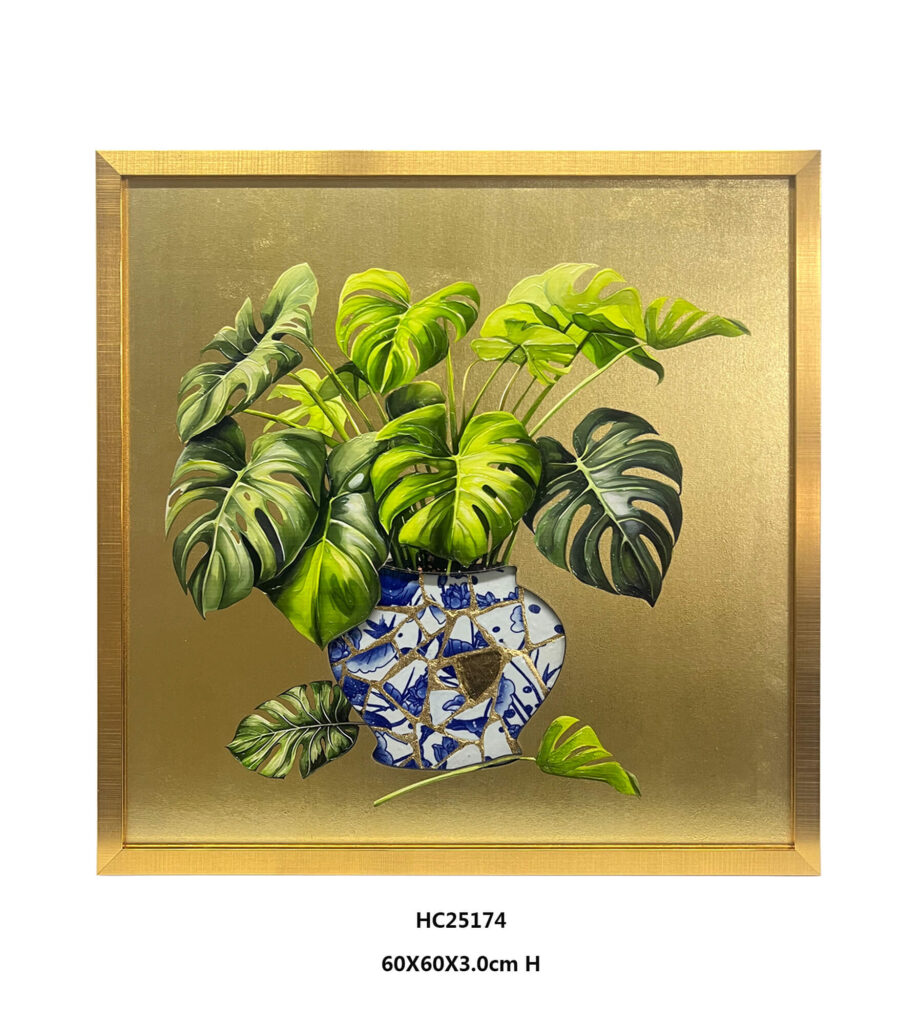
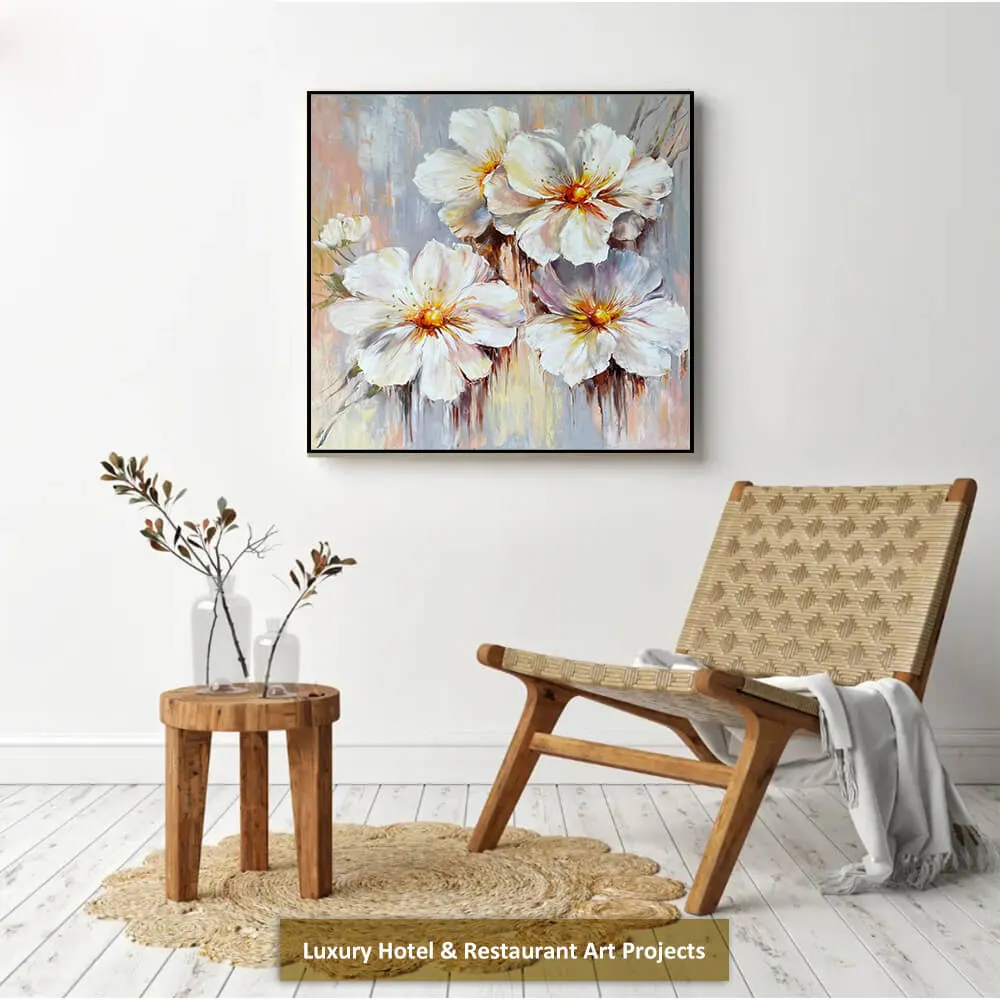
When choosing decorative paintings, various technical terms confuse many people. These include hand-painted oil paintings, textured paintings, prints, and Giclée art prints. Among these, Giclée art prints are currently the mainstream high-end technique in home decoration, museum reproductions, and art collections. However, most consumers cannot distinguish them from ordinary prints or hand-painted works.
Many vendors blur the lines by selling Giclée art prints as hand-painted works. Meanwhile, others mistakenly believe they are cheap prints. Today, we will clearly explain what Giclée art prints are. We will cover its techniques, advantages, applicable scenarios, and identification methods.
I. The Core Definition of Giclée Art Printing
Giclée art prints derive from the French word “gicler,” meaning “to spray or splatter.” Museums internationally recognize this high-end digital inkjet printing technology.
In simple terms: It is not hand-painted, nor is it ordinary advertising inkjet printing. It is a high-end art reproduction process that falls between ordinary printing and pure hand-painting. It also offers the most delicate image quality among machine-imaging decorative painting processes. Furthermore, it provides the most accurate colors and the longest preservation period.
Art inkjet printing forms a complete professional system. It differs greatly from home printers and street advertising inkjet printing. The system includes dedicated equipment, archival-grade pigments, acid-free media, and professional color management. Professionals specifically target it for art reproduction, high-end decorative painting output, and photographic archiving.
II. Core Production Principles and Complete Process of Art Inkjet Printing
Many people think inkjet printing is just “printing.” However, its production process is far more rigorous and complex than ordinary printing. Every step meets the standards for art archiving:
-
High-Definition Material Color Correction: Technicians use high-definition digital original images of 300 DPI or higher. They correct color differences using professional calibration instruments. This unifies color curves and eliminates color cast. It ensures complete detail reproduction to match the original texture.
-
Professional Inkjet Imaging Equipment: Studios utilize high-end large-format art inkjet printers. These feature an 8-12 color professional ink system, whereas ordinary printers only have 4 colors. The machine uses micro-piezoelectric technology to eject ultra-fine ink droplets. This creates natural color transitions without harsh blocks, exceeding traditional color gamuts.
-
Archival-Grade Consumables: The entire process uses pigment inks and acid-free media. These include pure cotton canvas, acid-free art paper, and special printing film. The acid-free materials will not yellow or become brittle, ensuring the stability of the artwork from the source.

- Drying and Curing + Protective Top Coating: High temperatures first dry and cure the ink. Then, staff sprays a matte or gloss water-based protective varnish. This achieves waterproof, scratch-resistant, UV-resistant, and oxidation-resistant properties. It locks in color and prevents fading.
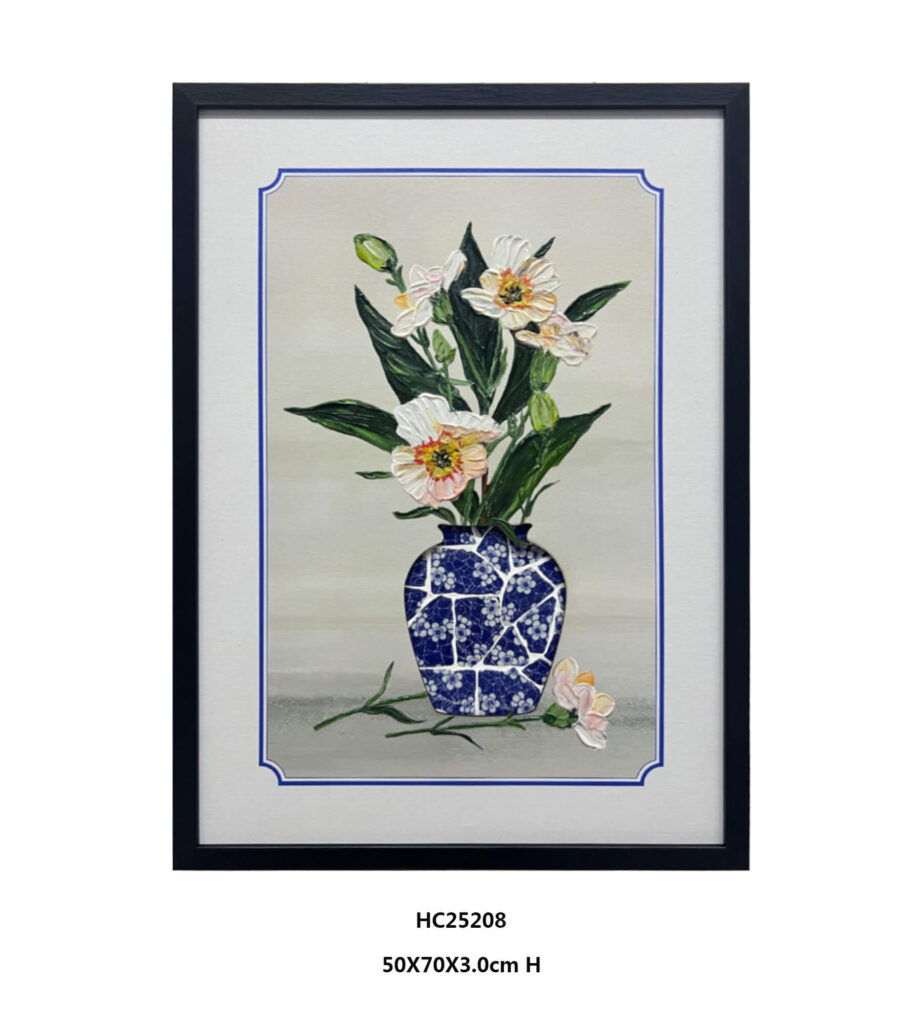
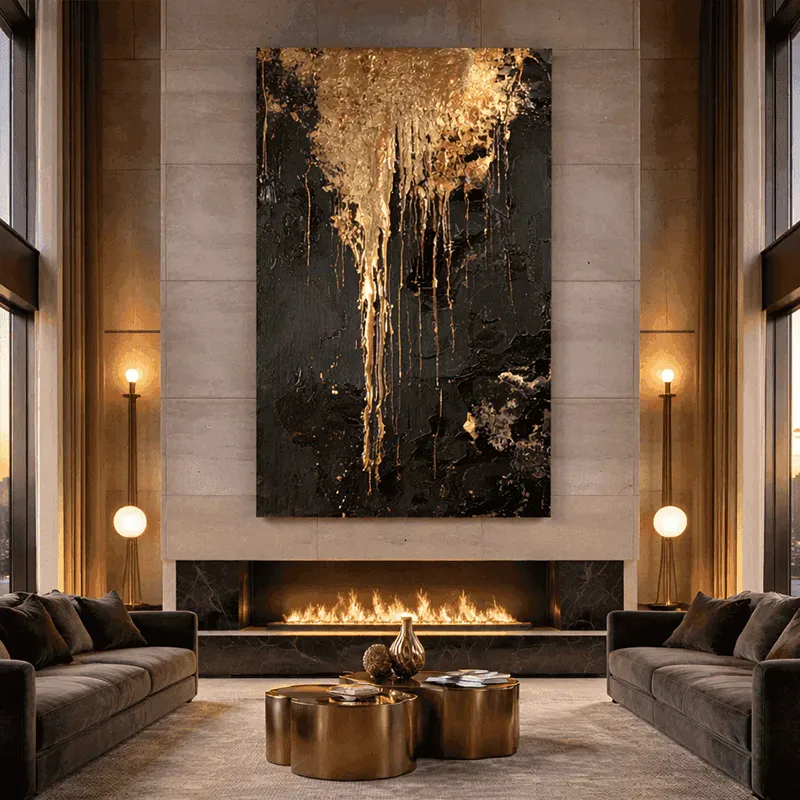
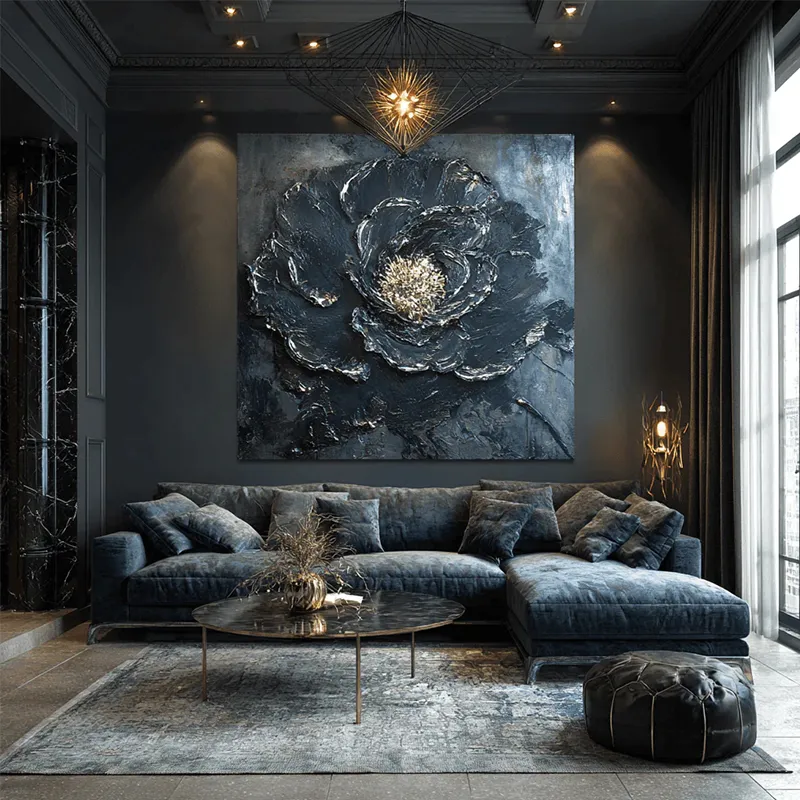
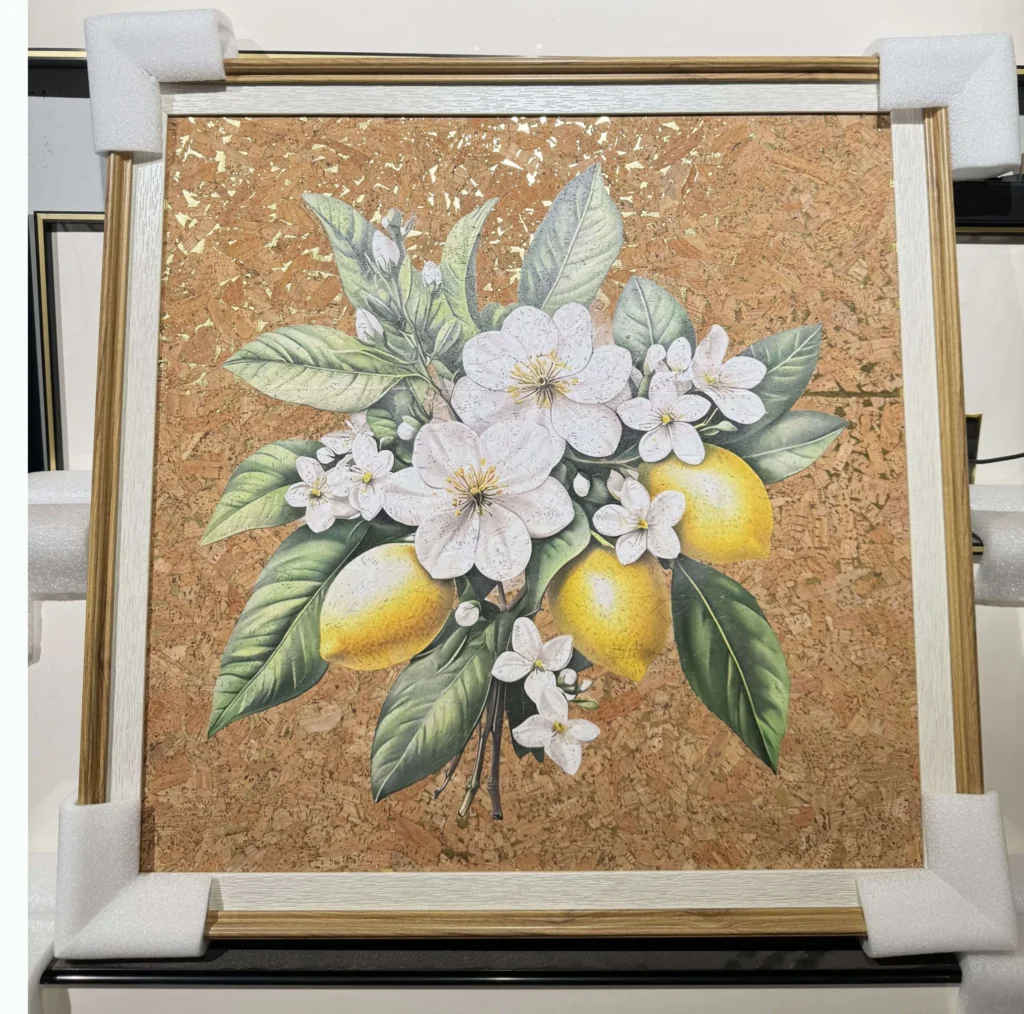
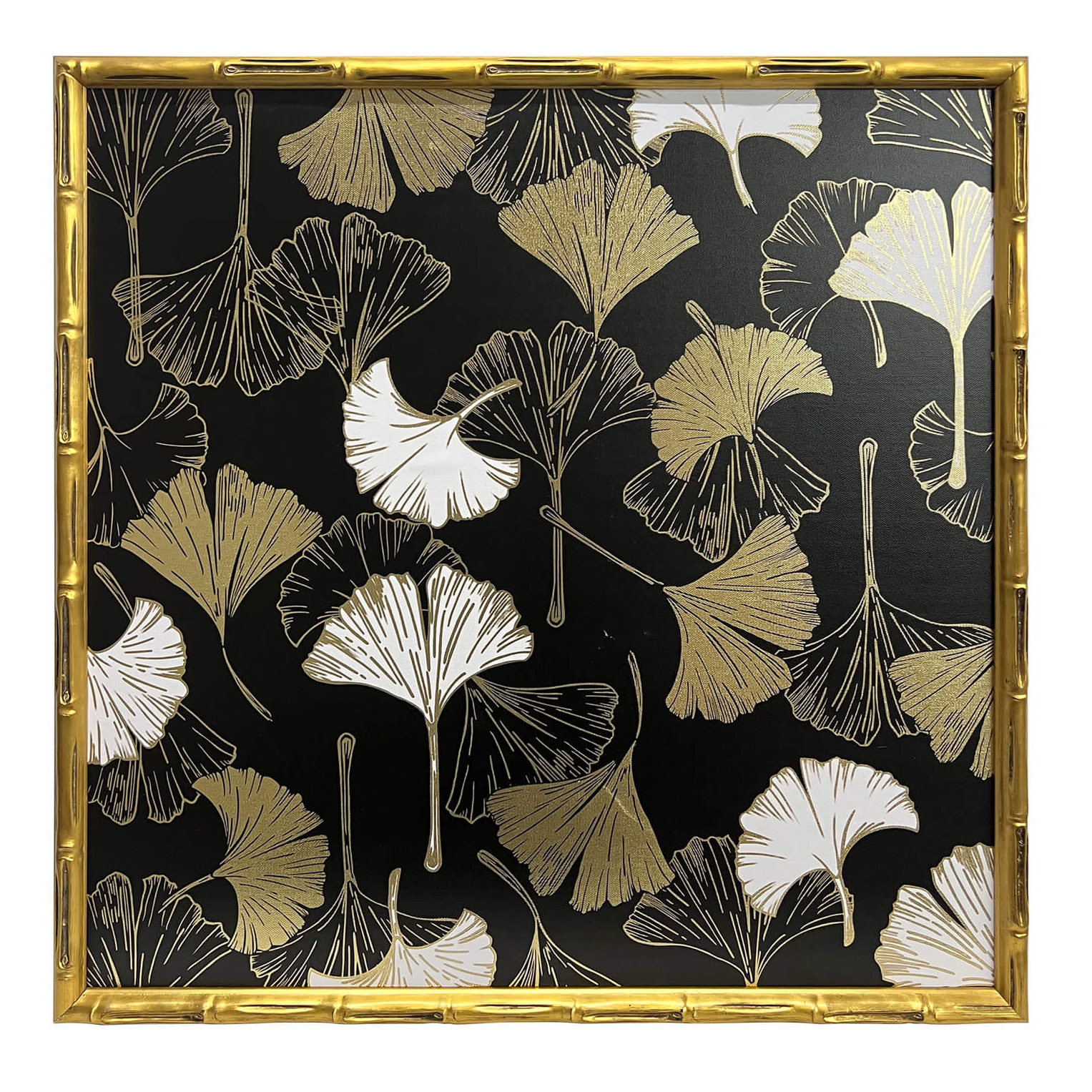
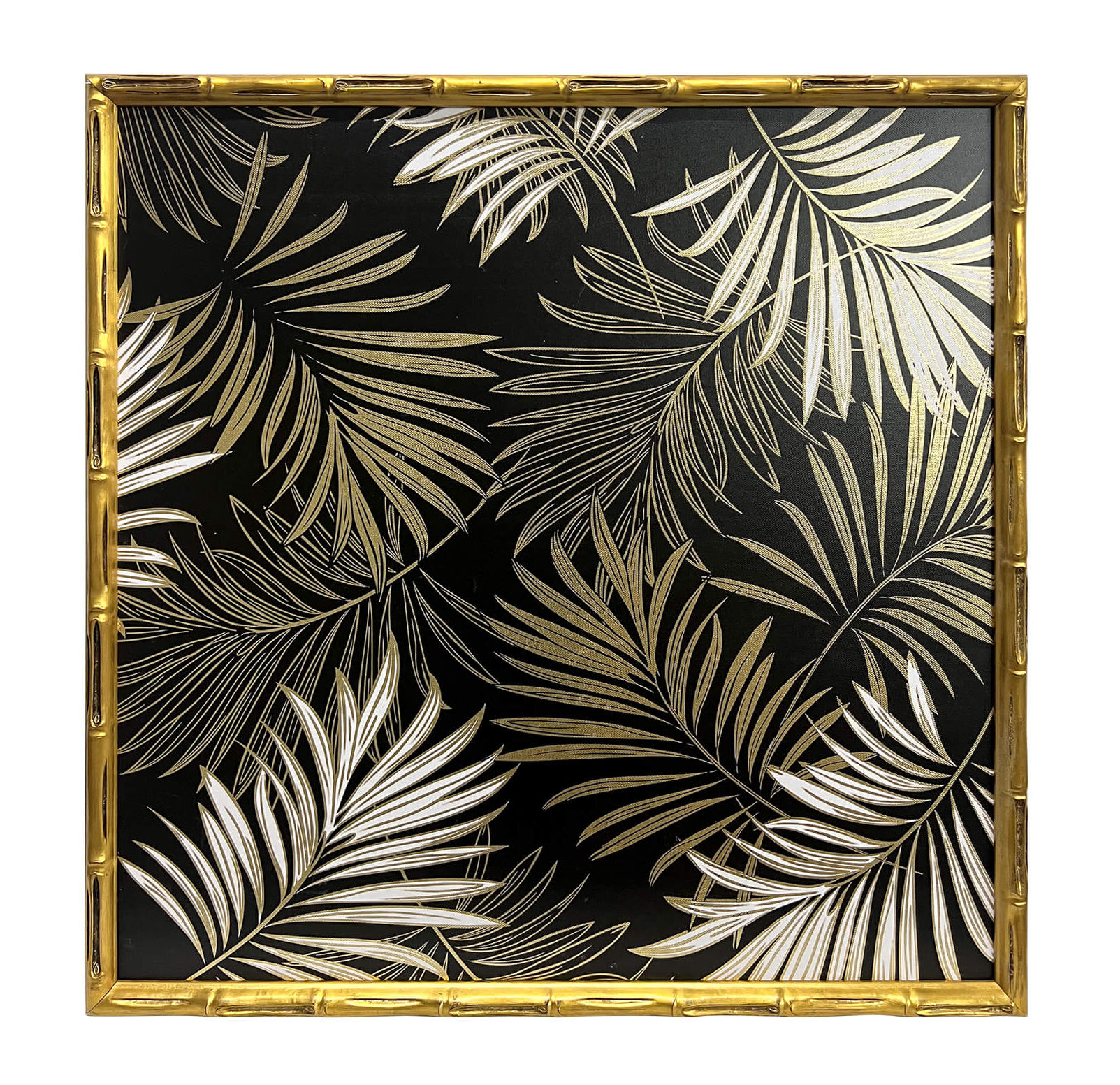
- Optional Hand-Painted Enhancements: Many high-end inkjet prints add hand-painted decorations. Artists apply gold leaf, gold thread, and texture paste to the printed product. The industry calls this “inkjet + hand-painted enhancements.” This process significantly enhances the three-dimensional effect. However, machines still print the main image; it is not hand-painted.
III. Core Differences Between Fine Art Inkjet Printing, Regular Inkjet Printing, and Hand-Painted Textured Painting
This is the most crucial knowledge point when purchasing decorative paintings, ensuring you avoid pitfalls:
-
Regular Inkjet Printing (Advertising Grade): Uses dye-based inks and ordinary laminating materials. Colors are vibrant but easily fade and become distorted. The image has noticeable halftone dots, giving it a cheap feel. Its lifespan is only 1-3 years. People mostly use it for outdoor advertising and temporary posters. It remains completely unsuitable for long-term home decoration.
-
Fine Art Inkjet Printing (Collector’s Grade): Uses solid pigment inks and acid-free art media. Colors are precise and delicate, with no color shift. The image quality is high-end. You can preserve it for 70-100 years in a dark environment. It will not fade or yellow over time. The image quality looks almost identical to the original artwork. This makes it suitable for long-term display in homes, exhibition halls, and galleries.
-
Hand-Painted Textured Painting/Oil Painting: Artists create these entirely by hand-mixing colors, using modeling paste, and layering paints. Each piece features unique brushstrokes and uneven, three-dimensional textures. Subtle differences exist between each work, making complete replication impossible. This results in higher artistic value and a significantly higher price than inkjet printing.
IV. Core Advantages and Disadvantages of Inkjet Printing
Core Advantages
-
Extreme Color Reproduction: A multi-color ink system covers an ultra-wide color gamut. It perfectly reproduces the delicate gradations and light and shadow details. This applies to watercolors, oil paintings, realistic floral paintings, and famous works.
-
Superior Durability: Archival-grade pigments and acid-free materials provide excellent protection. They resist oxidation, UV rays, water, and wear. This ensures colorfastness for over a century, making them suitable for long-term collection.
-
Stable and Consistent Image Quality: Batch production results in zero image error. This eliminates the color differences and flaws of hand-painted works. The clean and exquisite images complement whole-house decor and batch soft furnishing implementation.
-
Higher Cost-Effectiveness: The image quality approaches that of hand-painted artwork. However, it comes at a much lower price. This makes it the top choice for high-end home decoration.
Inherent Weaknesses
-
Lack of Original 3D Texture: Pure inkjet printing results in a flat image. Artists must apply post-processing hand embellishments to achieve 3D effects.
-
Not Unique: Machines can infinitely replicate, lacking the uniqueness and original artistic value of hand-painted works.
V. Daily Shopping Tips to Avoid Pitfalls
-
Inkjet Print ≠ Hand-Painted: Sellers might label an inkjet print as “pure hand-painted oil painting” or “hand-textured painting.” This practice constitutes false advertising. It happens often in cross-border e-commerce and interior design purchases. Such actions easily lead to complaints and violations.
-
Distinguish Between “Pure Inkjet Print” and “Inkjet Print + Hand-Embellished Finish”: Most decorative paintings feature gold lines, gold leaf, or partial 3D effects. These are actually inkjet prints with a printed base. They contain a small amount of hand-embellishment rather than being entirely hand-painted.
-
Do Not Confuse Regular Printing with Inkjet Printing: Not all printed images are inkjet prints. Only high-end outputs using pigment inks, acid-free media, and professional color correction represent true inkjet printing.
VI. Summary: Suitable Scenarios for Fine Art Prints
Suppose you prioritize exquisite detail, sophisticated colors, long-lasting colorfastness, and high cost-effectiveness. In that case, fine art prints are the optimal choice. They work perfectly for home décor, hotel decor, exhibition halls, famous painting reproductions, and photographic framing.
If you seek a unique artistic texture, a three-dimensional feel, and original collectible value, change your focus. You should prioritize hand-painted textured paintings and hand-painted oil paintings instead.
Understanding fine art prints allows you to completely avoid decorative painting selection pitfalls. You can accurately choose high-quality artworks that perfectly match your interior needs.