Interior design in 2026 is becoming more tactile, layered, and personal. After years dominated by smooth surfaces, minimalist prints, and highly polished interiors, homeowners and designers are increasingly looking for ways to introduce depth and character into a space. One of the clearest expressions of this shift is textured wall art.
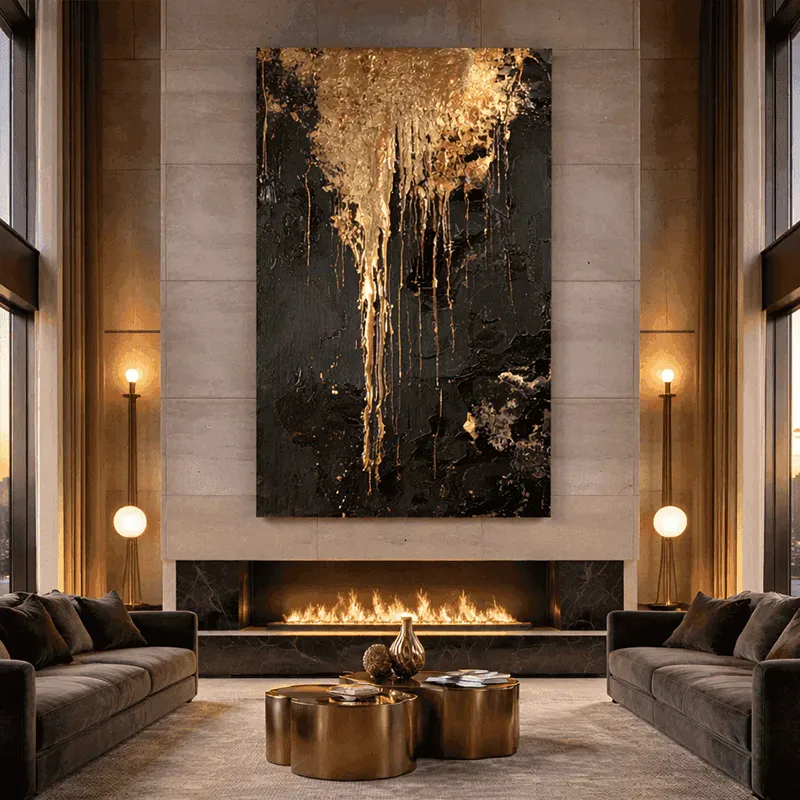
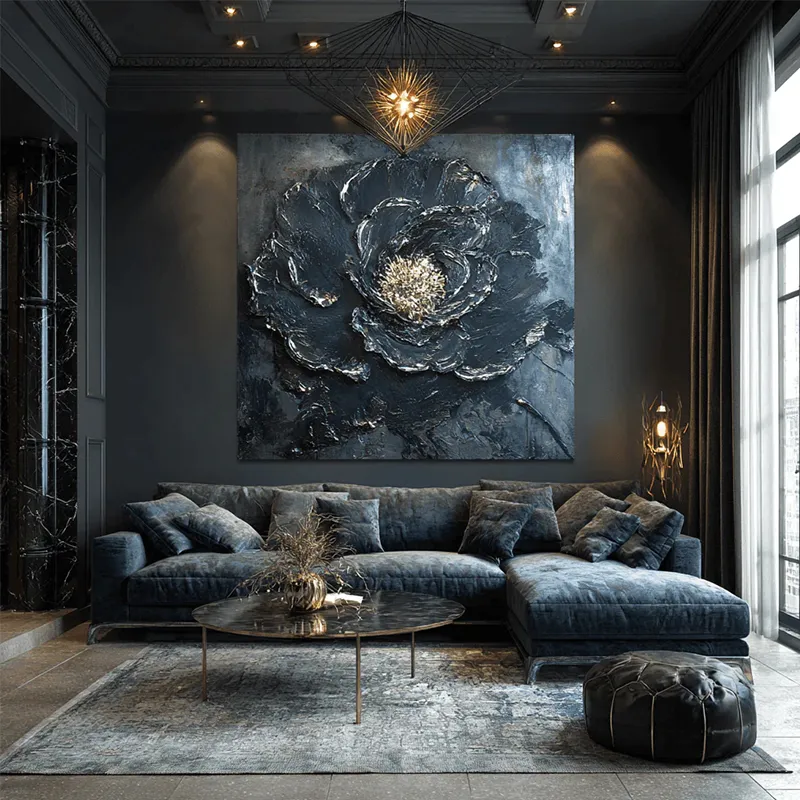
Unlike conventional flat prints, textured artwork adds a physical or visual dimension to a wall. Raised brushstrokes, sculptural surfaces, carved materials, resin details, plaster-like finishes, wood grain, ceramic elements, and layered mixed media can all transform a simple piece of wall decor into something that interacts with light and changes throughout the day.
As interiors move toward warmer and more individual styles, textured art is becoming much more than a decorative accessory. It is increasingly being used as an important part of the overall design of a room.
Why Textured Wall Art Is Growing in 2026
One reason behind the popularity of textured wall art is the broader movement away from interiors that feel overly perfect or uniform.
Modern homes are still embracing clean lines and restrained color palettes, but designers are adding more natural materials, handcrafted details, irregular surfaces, and layered finishes. Texture provides visual richness without necessarily requiring bright colors or complicated patterns.
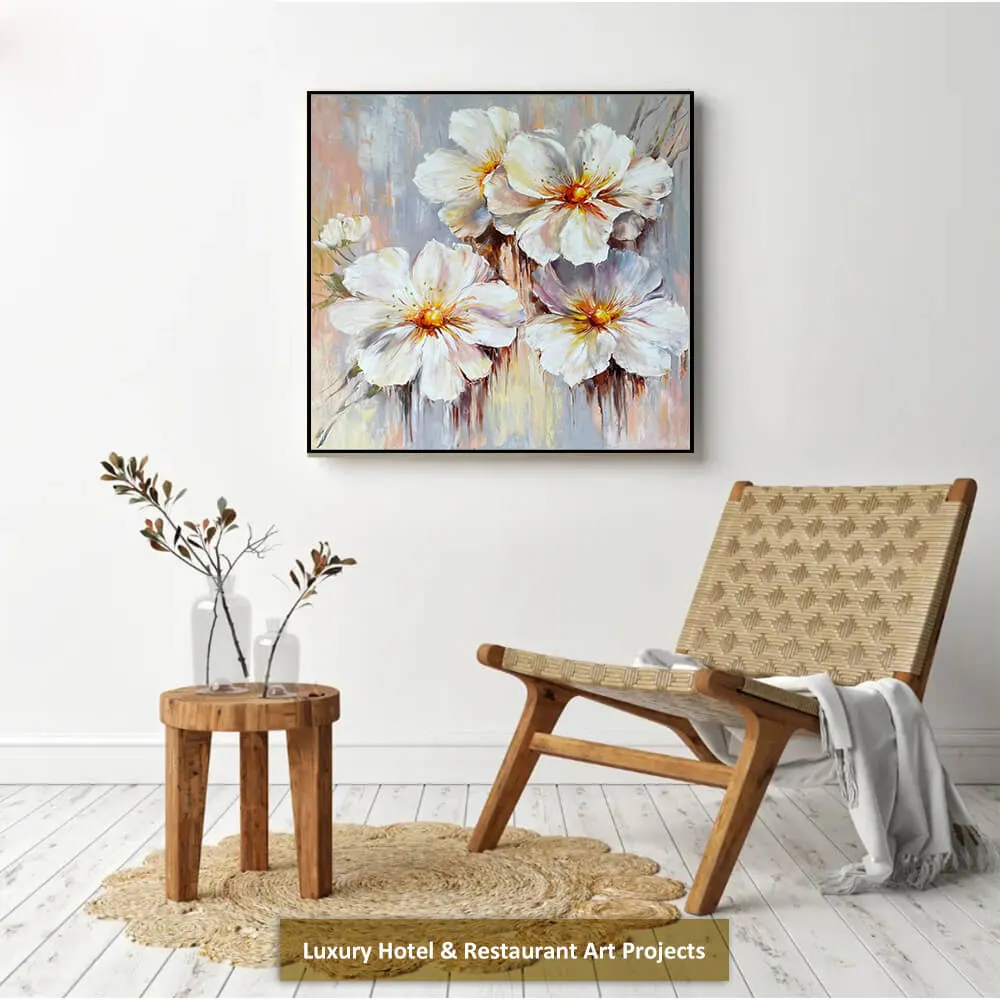
A cream, beige, white, or earth-toned piece of textured canvas art, for example, may appear simple from a distance. Up close, however, its raised surface, brushwork, shadows, and material variations create far more visual interest.
This makes textured artwork particularly suitable for contemporary, minimalist, organic modern, Japandi, Mediterranean, and luxury interiors.
From Flat Decoration to Sculptural Wall Art
Traditional wall art mainly communicates through color, composition, and imagery. Textured pieces add another design element: dimension.
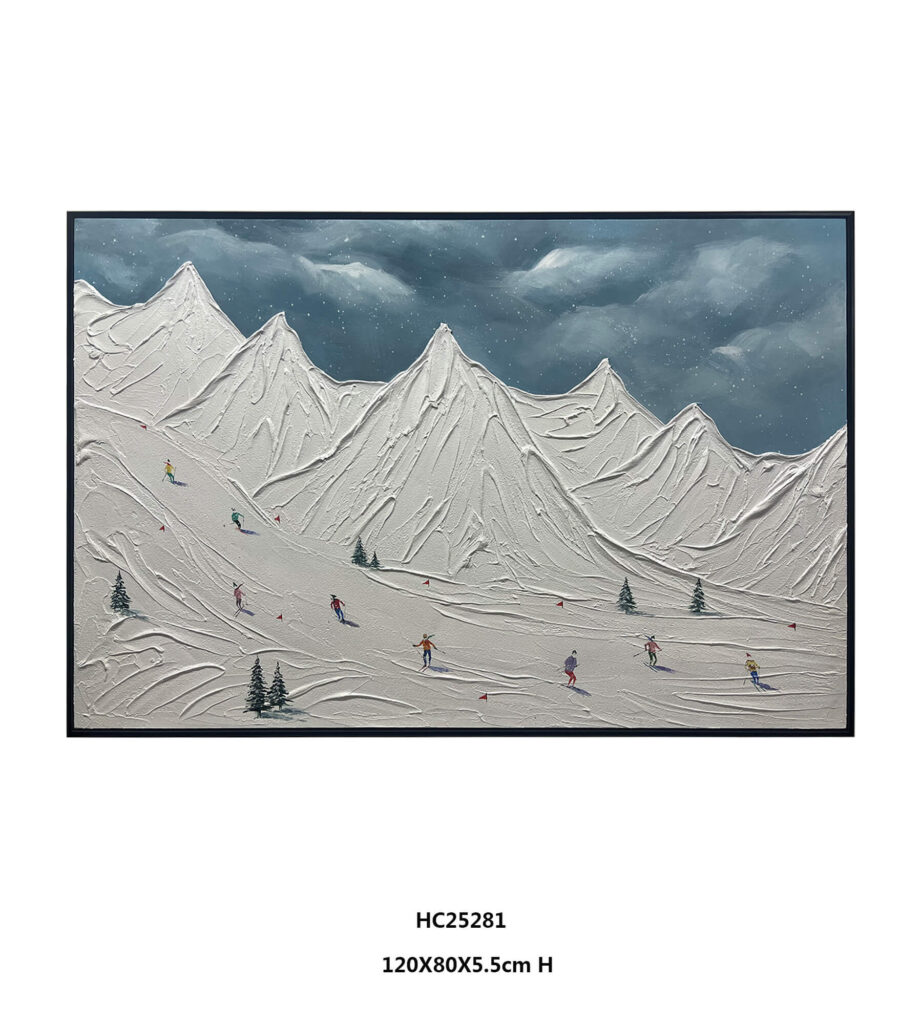
Some artworks use thick impasto paint to create visible ridges and brushstrokes. Others incorporate plaster, resin, wood, ceramic, fabric, metal, sand, glass, or other materials to build relief directly onto the surface.
This has contributed to the growing popularity of sculptural wall art and 3D wall art.
Instead of simply filling an empty wall, these pieces can become architectural features within a room. When placed near a window, wall light, or spotlight, raised details cast subtle shadows that change according to the direction and intensity of the light.
As a result, the artwork can look slightly different in the morning, afternoon, and evening.
Natural and Organic Textures Are Leading the Trend
Nature continues to influence interior design in 2026, but the trend is moving beyond simply displaying photographs of landscapes or botanical prints.
Designers are increasingly introducing natural forms through materials and surface treatments.
Textured artworks inspired by stone, sand, waves, tree bark, mountains, clay, mineral formations, and flowing organic shapes can bring a softer and more grounded feeling to modern interiors.
Popular color combinations include warm white, sand, taupe, clay, terracotta, muted green, brown, charcoal, and soft grey.
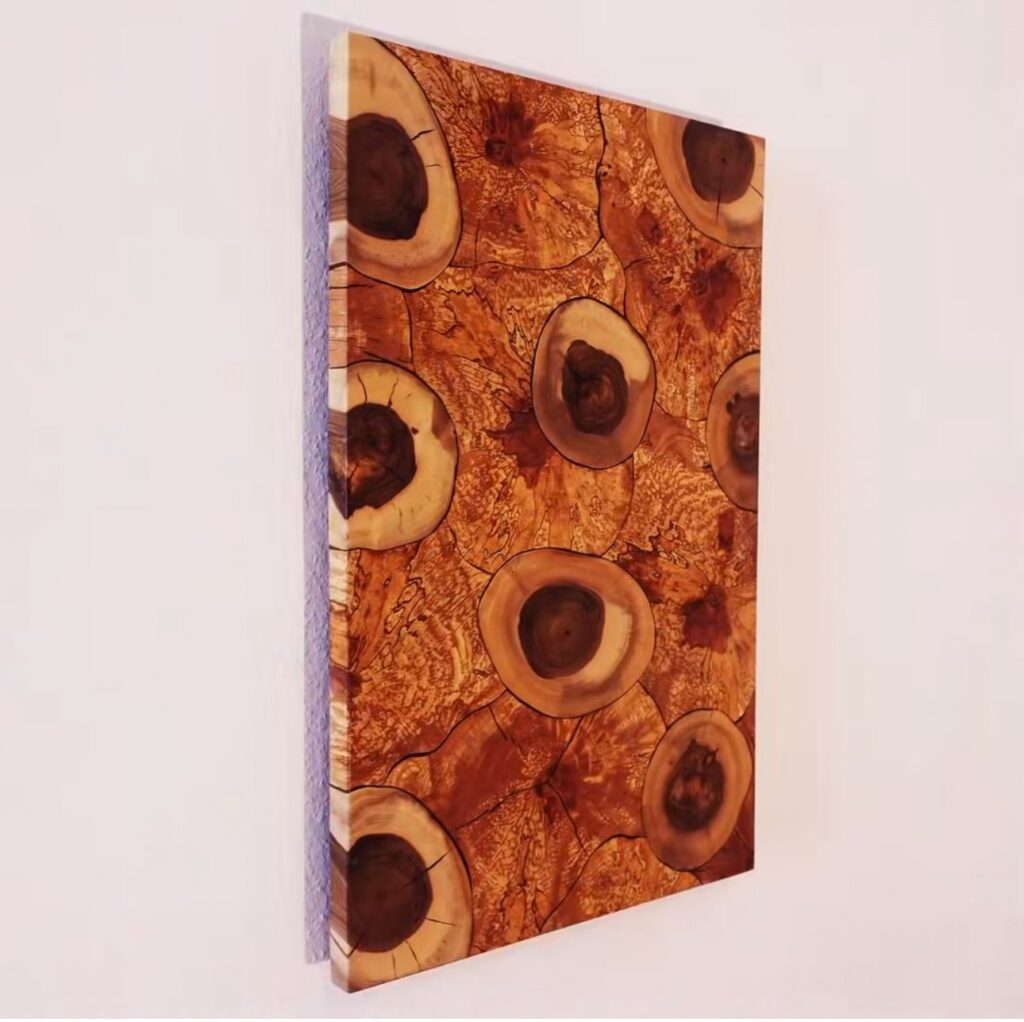
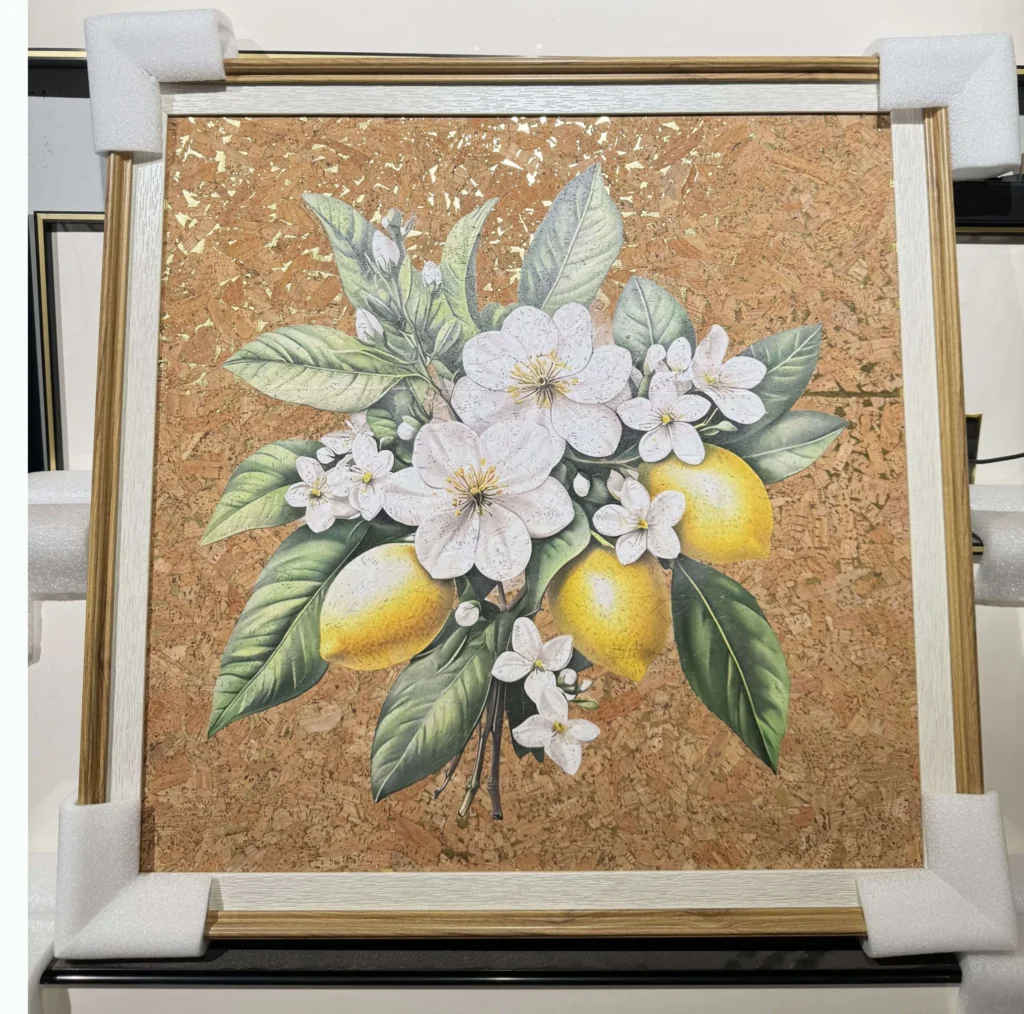
Wood wall art also works naturally within this trend. Visible wood grain, carved patterns, and shallow relief details provide texture while maintaining the warmth associated with natural materials.
Ceramic and porcelain wall art offer another interpretation, combining dimensional surfaces with handcrafted visual character.
Textured Art Works Especially Well with Neutral Interiors
Neutral interiors remain popular, but completely flat beige or white rooms can sometimes appear unfinished.
Texture helps solve this problem.
Instead of introducing several strong colors, designers can create contrast using different surfaces. A textured artwork above a linen sofa, for example, can work alongside a wool rug, stone coffee table, wooden furniture, and ceramic accessories.
The palette remains calm while the room gains considerably more visual depth.
This is one reason why large textured wall art is increasingly used as a statement piece in living rooms, bedrooms, dining areas, entryways, and offices.
One oversized artwork can often provide enough visual interest to anchor an entire wall without requiring multiple smaller decorations.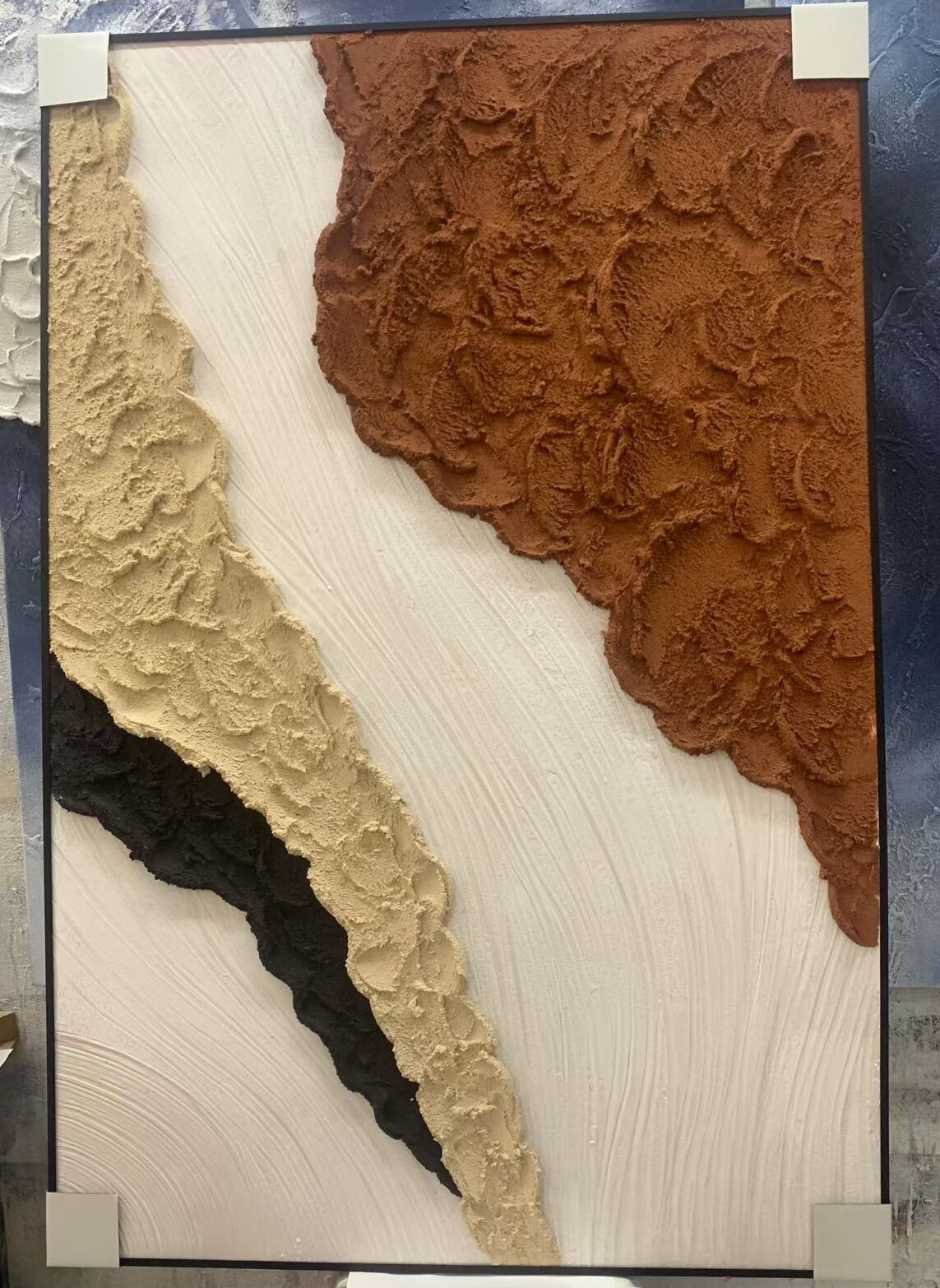
Resin, Wood, Ceramic and Mixed-Media Art Add New Possibilities
Textured wall art is not limited to traditional paint and canvas.
Different materials can create completely different visual experiences.
Resin wall art can combine glossy surfaces, layered colors, crystal-like details, metallic accents, or embedded decorative materials. Its reflective finish allows the artwork to respond dramatically to both natural and artificial lighting.
Wood wall art brings warmth and organic texture through carved surfaces, natural grain, geometric patterns, or subtle relief.
Ceramic wall art can introduce handmade irregularities, glazed finishes, dimensional patterns, and sculptural elements.
Meanwhile, mixed-media artwork may combine several materials in one composition, creating pieces that sit somewhere between painting, sculpture, and interior decoration.
These options give interior designers and homeowners greater freedom to choose wall art based not only on color and subject but also on material and surface.
How to Style Textured Wall Art in Modern Spaces
The key to styling textured artwork successfully is giving the surface enough room to be noticed.
In a living room, a large piece positioned above the sofa can create a strong central focal point. For bedrooms, softer textures and neutral tones can complement upholstered headboards, linen bedding, and natural wood furniture.
Dining rooms can handle stronger sculptural forms, particularly when directional lighting highlights raised details.
Textured pieces are also highly effective in commercial interiors. Hotel lobbies, restaurants, offices, reception areas, retail stores, and wellness spaces often contain large blank walls where dimensional artwork can introduce character without overwhelming the architecture.
Lighting is especially important. Side lighting, spotlights, and indirect wall lighting emphasize relief by creating highlights and shadows across the artwork.
Custom Textured Wall Art Is Also Expanding
Another important direction in 2026 is personalization.
Instead of selecting only ready-made designs, homeowners, interior designers, hospitality projects, and commercial buyers are increasingly looking for artwork that fits a specific wall size, interior palette, material requirement, or project concept.
Custom textured wall art can be adapted through dimensions, colors, materials, surface finishes, frames, and compositions.
For large interiors, oversized pieces can also be designed specifically around the proportions of a wall, helping the artwork feel integrated into the architecture rather than added as an afterthought.
Is Textured Wall Art Just a Short-Term Trend?
Texture may be especially visible in 2026, but the underlying design principle is much broader than a single year’s trend.
People have always responded to handcrafted materials, natural surfaces, visible brushwork, carved wood, ceramics, and dimensional artwork. What is changing is how prominently these qualities are being incorporated into contemporary interiors.
As homes become more personal and less dependent on perfectly coordinated mass-produced decoration, artwork with visible material character has an important role to play.
Textured wall art brings together art, craftsmanship, material, light, and interior design. Whether created with canvas, resin, wood, ceramic, plaster, metal, or mixed media, it can transform a plain wall into a surface with depth and personality.
For 2026, that combination makes texture one of the most important directions shaping modern wall decor—and one that is likely to remain relevant well beyond this year.