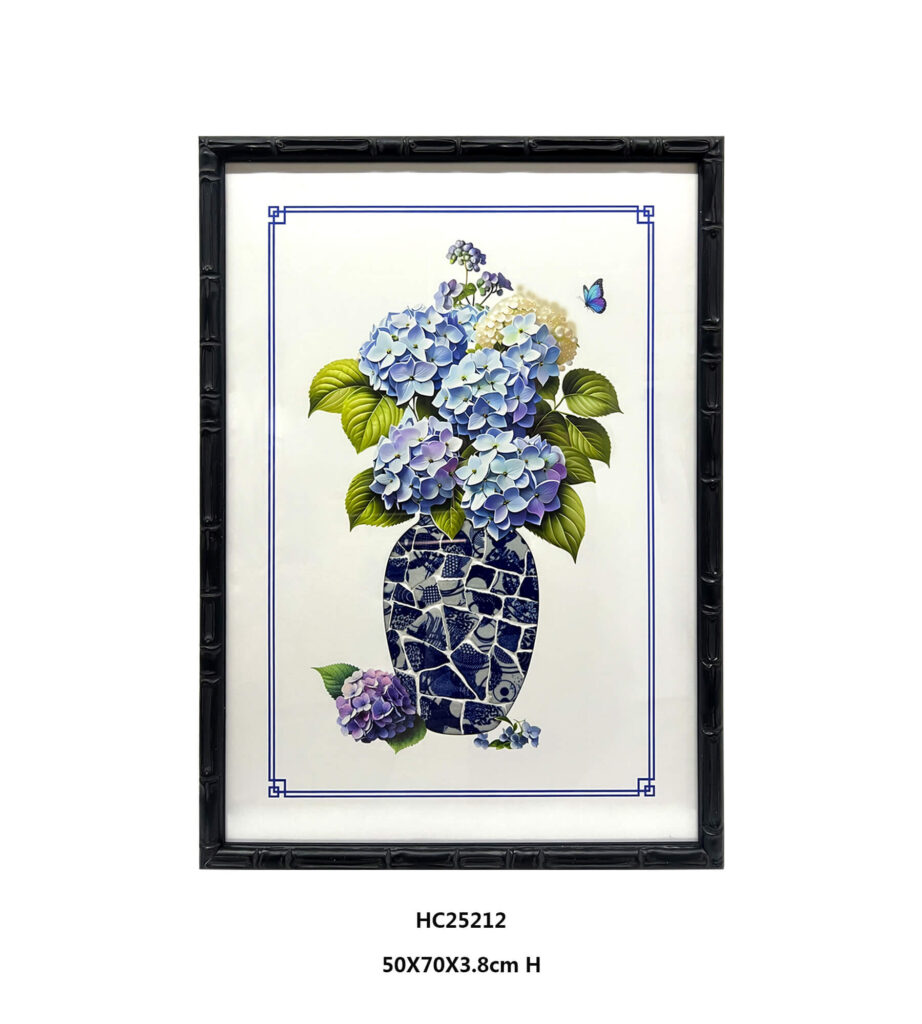
Evidence Based Hydrangea Porcelain Wall Art Sourcing for European Buyers
A supplier can quickly promise customization, stable quality and fast delivery. However, European buyers need evidence before ordering Hydrangea Porcelain Shard Vase Wall Art. Approved samples, production records, QC reports and packing data provide more value than general quality claims. Without these controls, importers may receive inconsistent colours, altered materials or cartons that do not protect the artwork.
What Does the Quotation Actually Include
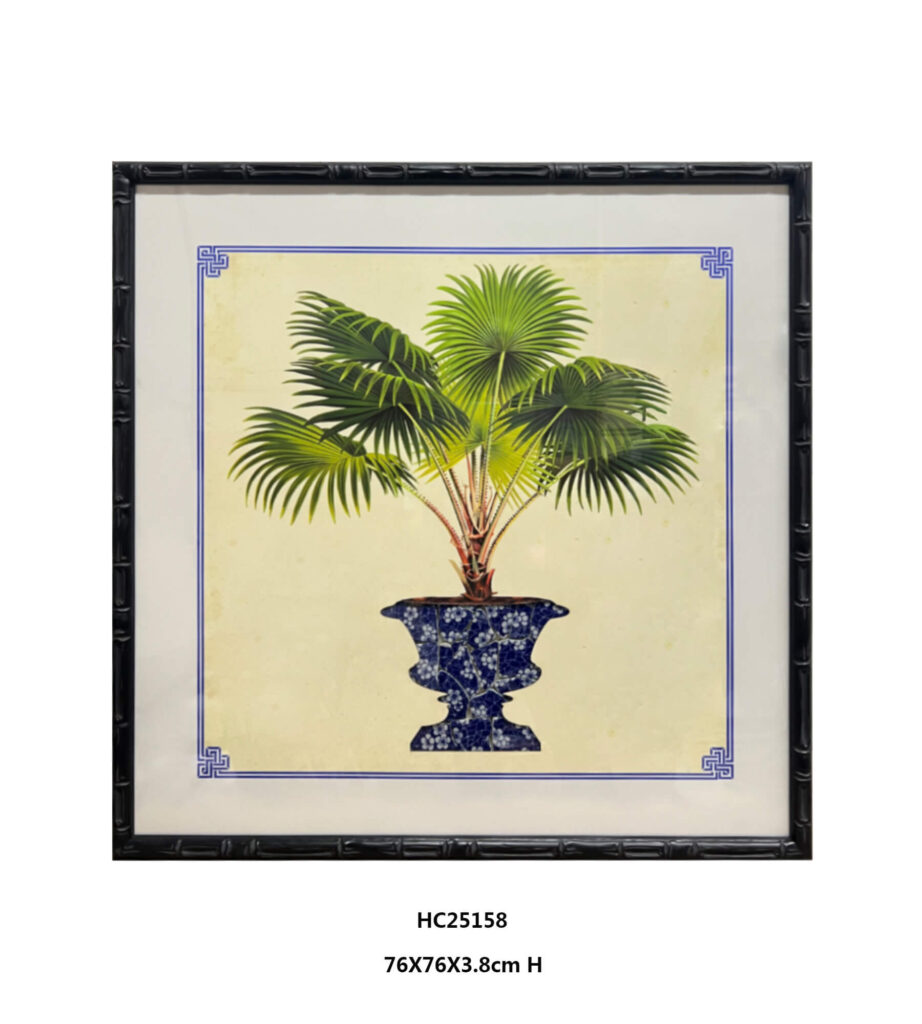
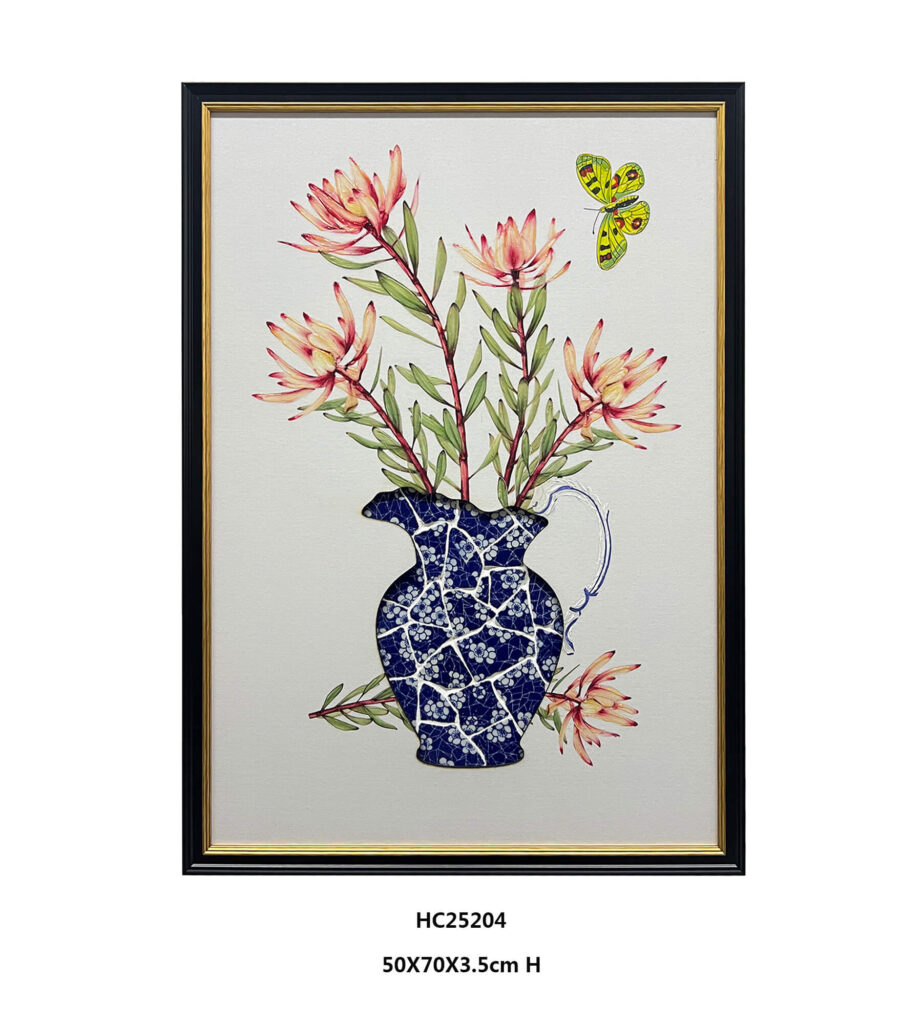
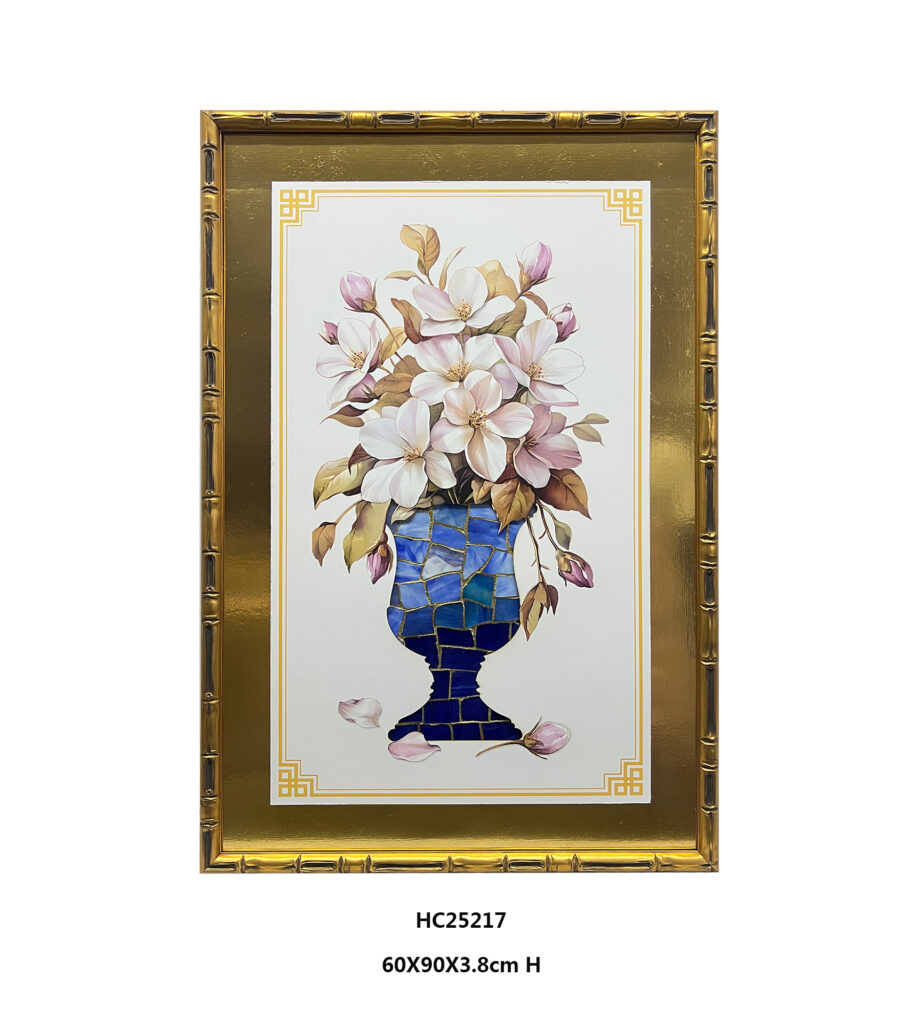
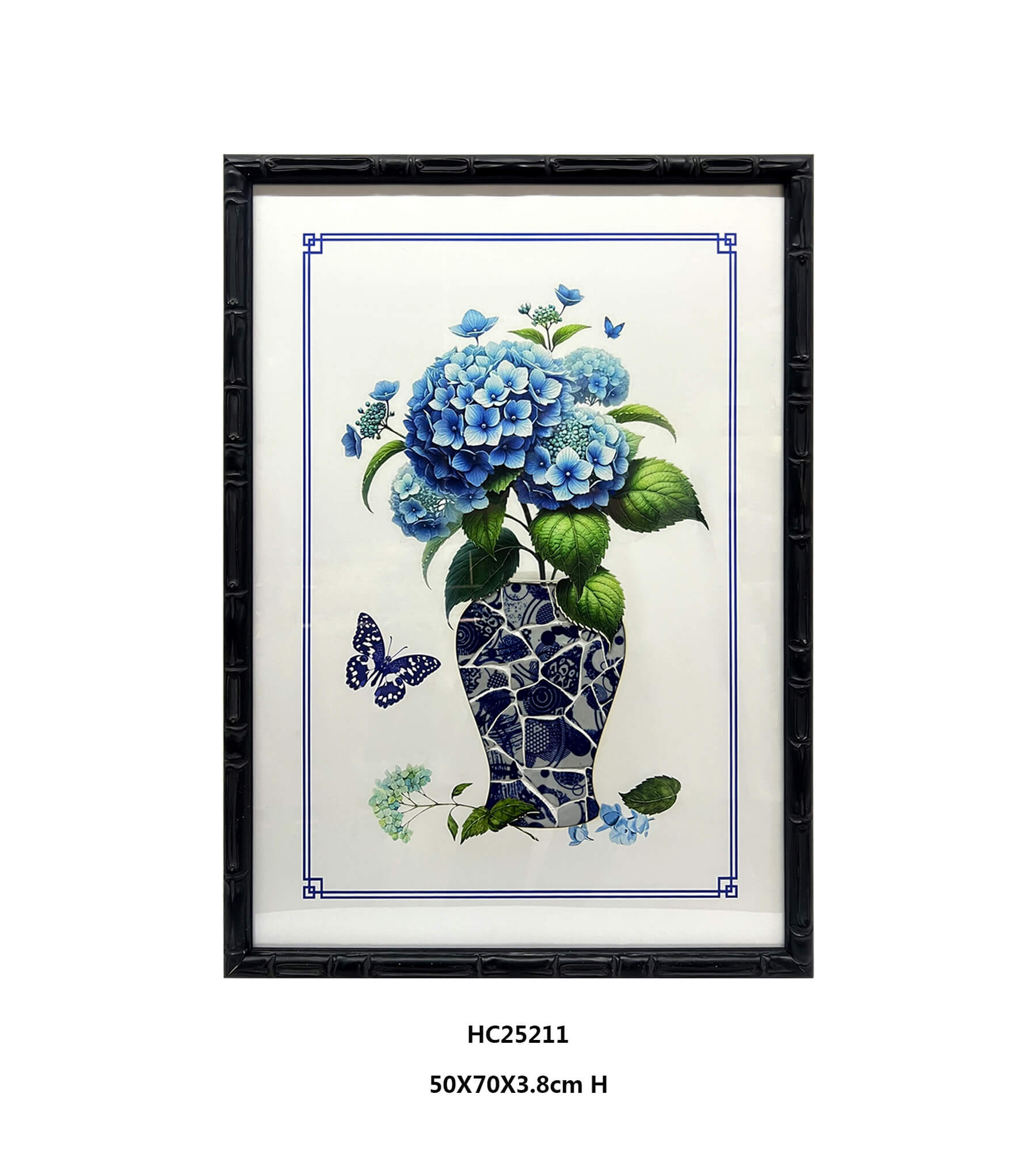
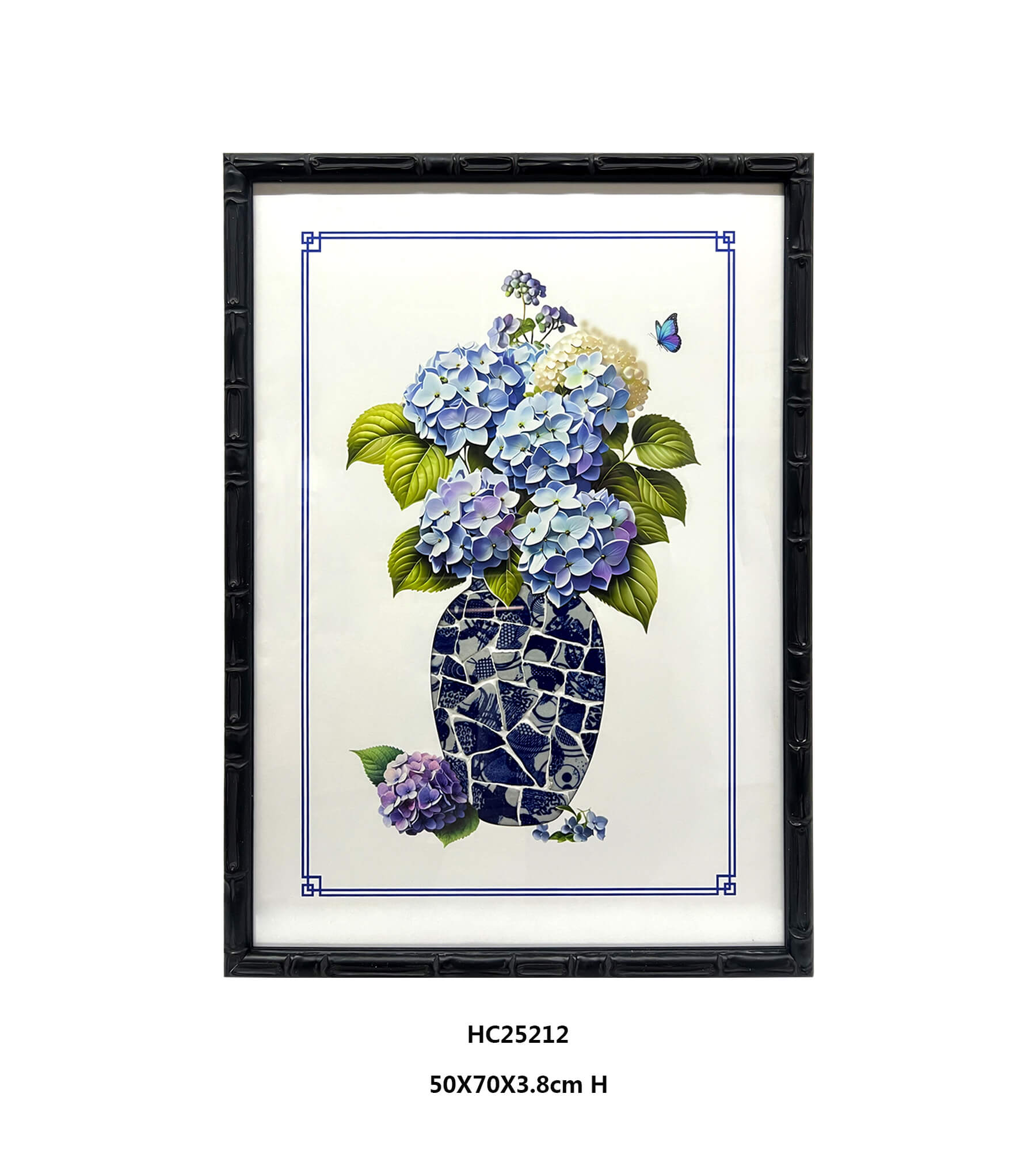
Buyers should compare quotations against one product specification. First, confirm whether the vase uses real porcelain shards or a printed porcelain image. Next, check the dimensional hydrangeas, frame material, hanging hardware, finished size and export packing.
A standard canvas print may cost less and require simpler packing. In contrast, porcelain shards and raised flowers create stronger material depth but need tighter production and transit controls. Therefore, buyers should avoid comparing prices until every supplier quotes the same construction.
Can the Factory Reproduce the Approved Sample
The approved sample should include a material list and measurable tolerances. Buyers should record the hydrangea colours, flower height, porcelain shard layout, border, frame profile and hanging position.
Natural shard patterns may vary slightly. However, the vase outline, overall colour balance and construction should remain consistent. A retained master sample and batch photographs help the factory control repeat orders. They also reduce disputes when purchasing the two designs as a coordinated range.
What Evidence Supports Factory Control
During a factory review, buyers should examine the material storage, shard assembly, adhesive curing, framing, inspection and packing areas. Clear work zones reduce handling errors. Moreover, each stage should have a responsible person and a written handover record.
Buyers should request dated progress photographs and inspection records. These documents show whether the factory follows the approved specification instead of changing materials during production.
How Are OEM and ODM Changes Approved
OEM and ODM support can cover size, background colour, frame, logo, label and packaging. Nevertheless, every change should receive a version number and written approval.
The supplier should also explain how each revision affects MOQ, unit cost, production time and carton dimensions. This step prevents old and new specifications from entering the same shipment. Buyers can review additional Chinoiserie porcelain wall art designs when planning matching colours or coordinated retail sets.
What Releases the Order for Shipment
Before shipment, QC should check shard adhesion, flower condition, colour consistency, frame corners, dimensions and hanging hardware. In addition, buyers should verify carton size, packing quantity, foam protection and corner guards.
The shipment should proceed only after the supplier submits the final QC report, packing photographs and booking details. As a result, the buyer can identify problems before the goods leave the factory.
Commercial Value Beyond a Standard Floral Print
Blue-and-white porcelain has a long decorative connection with European interiors, as explained in the V&A overview of Chinese blue-and-white ceramics. A coordinated hydrangea series can help retailers avoid direct comparison with common floral posters while supporting single-piece and paired displays.
Original design alone does not guarantee sales. However, controlled colours, matching proportions and flexible regional options can make assortment planning easier for retailers, hotels and interior projects.
Which supplier records do you review before approving a fragile wall art order? Share your priorities or send your required quantity, SKU ratio, destination port, delivery date and acceptance standard to receive a practical quotation and production proposal.