European Sourcing Standards for Framed Wood Mosaic Panels
Wholesale geometric wood wall art adds natural texture to retail and commercial interiors. However, loose strips, warped frames, colour variation and weak packaging can cause claims, delivery delays and difficult repeat orders. Therefore, buyers should assess product consistency, packaging performance and landed cost before placing an order.
Identify the Product Type
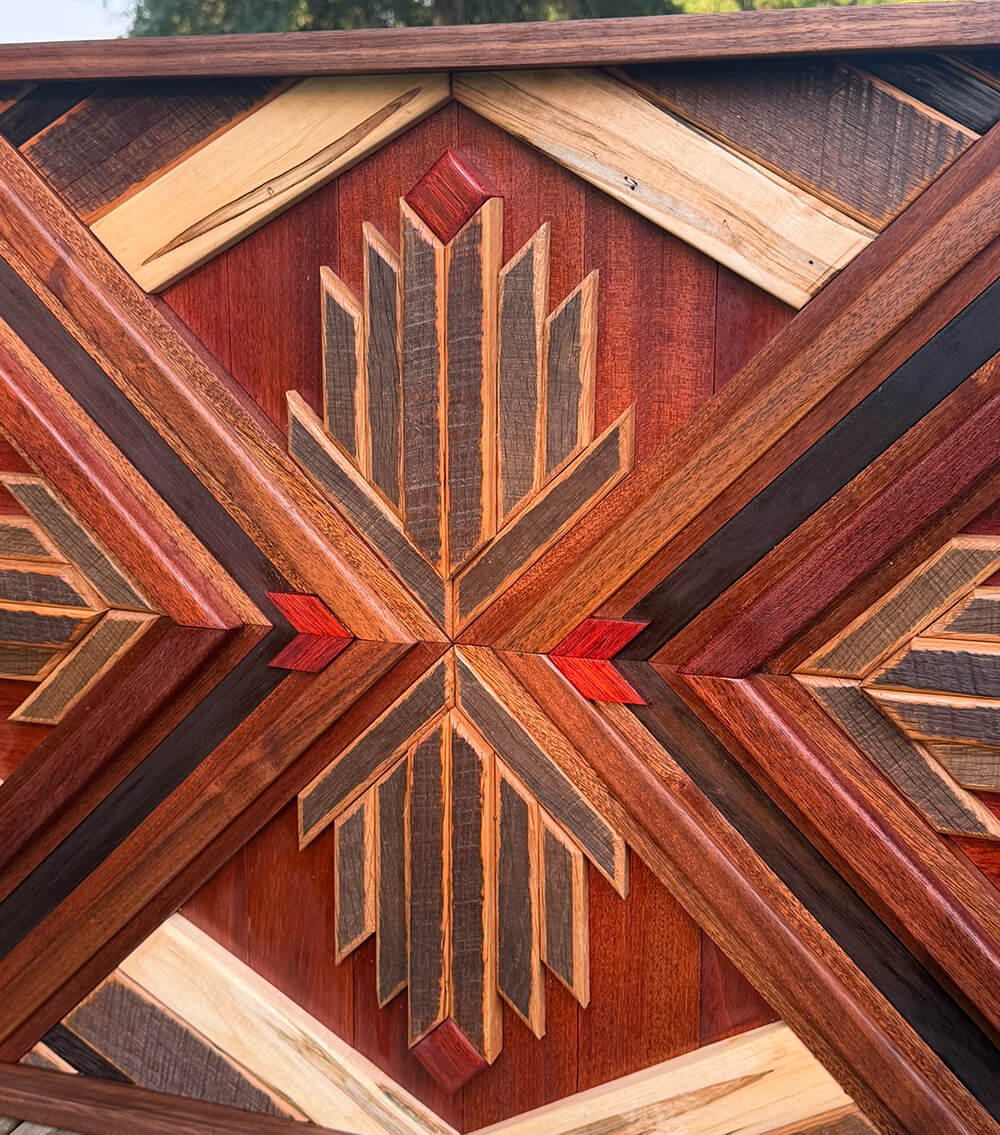
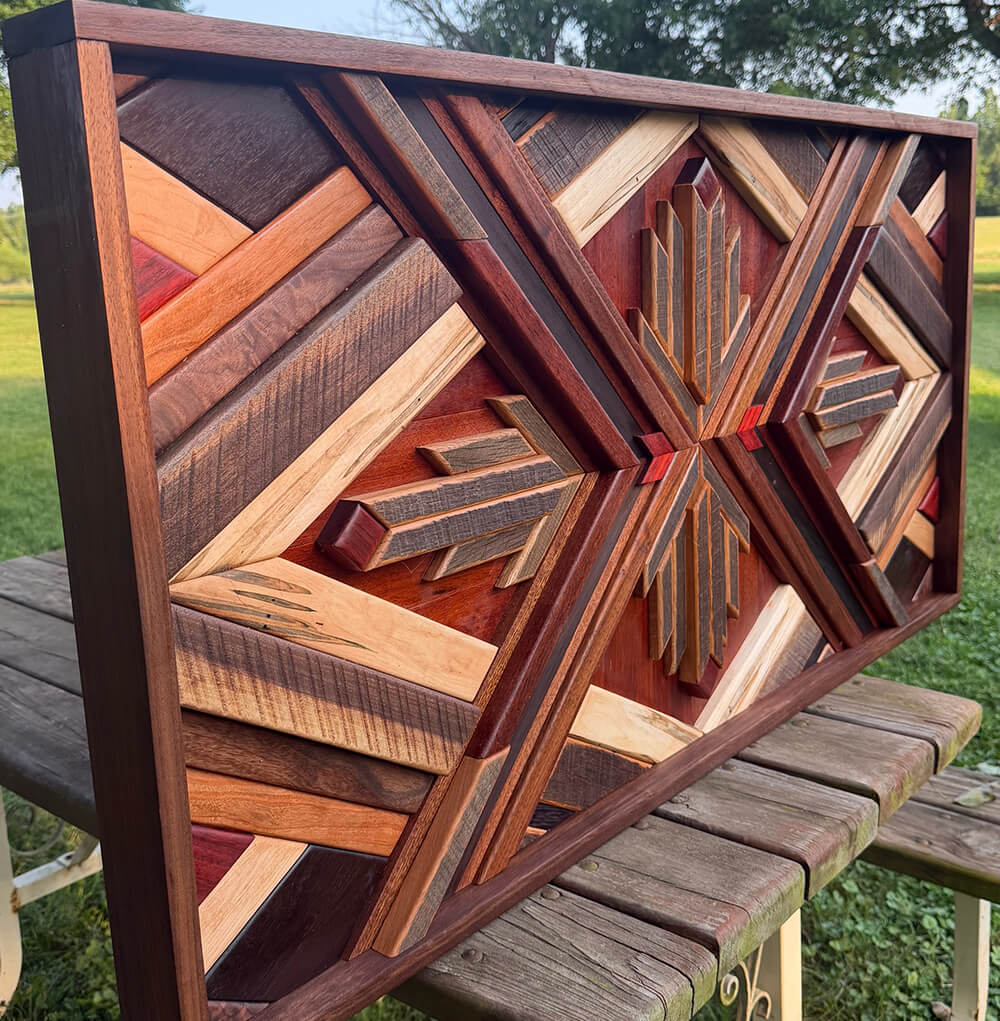
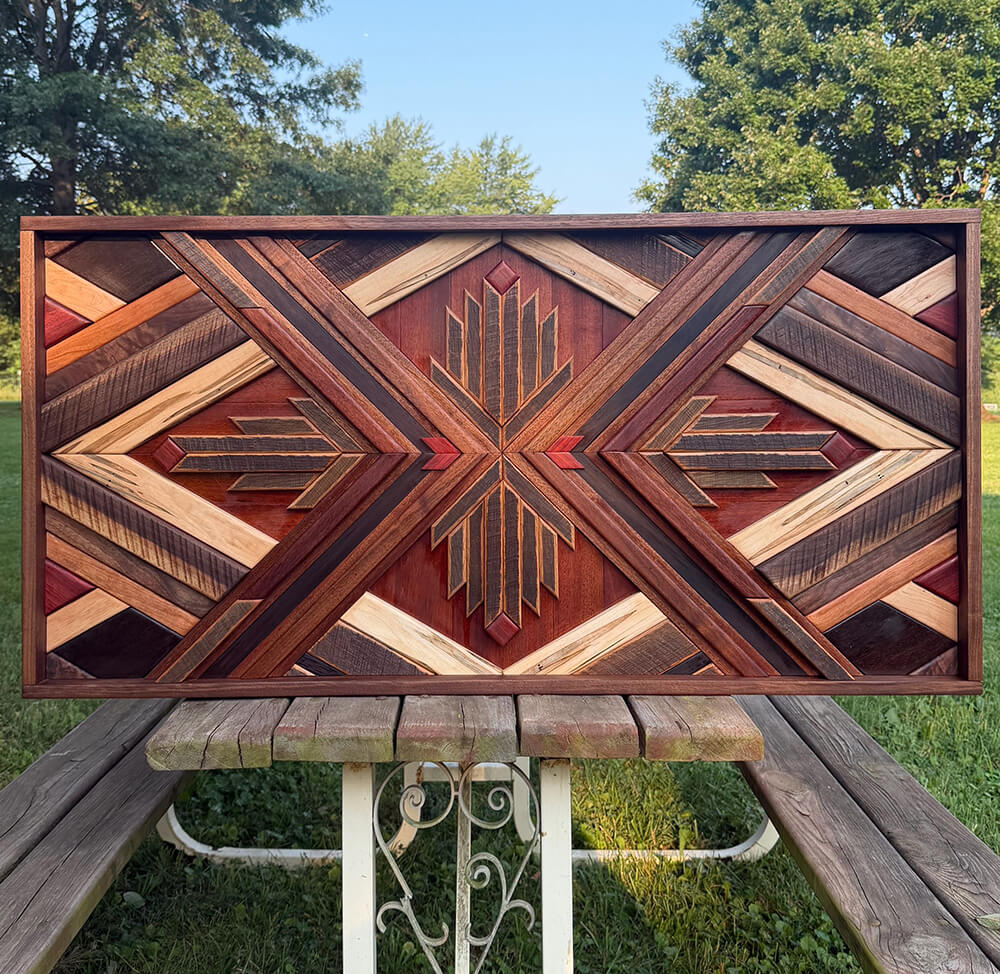
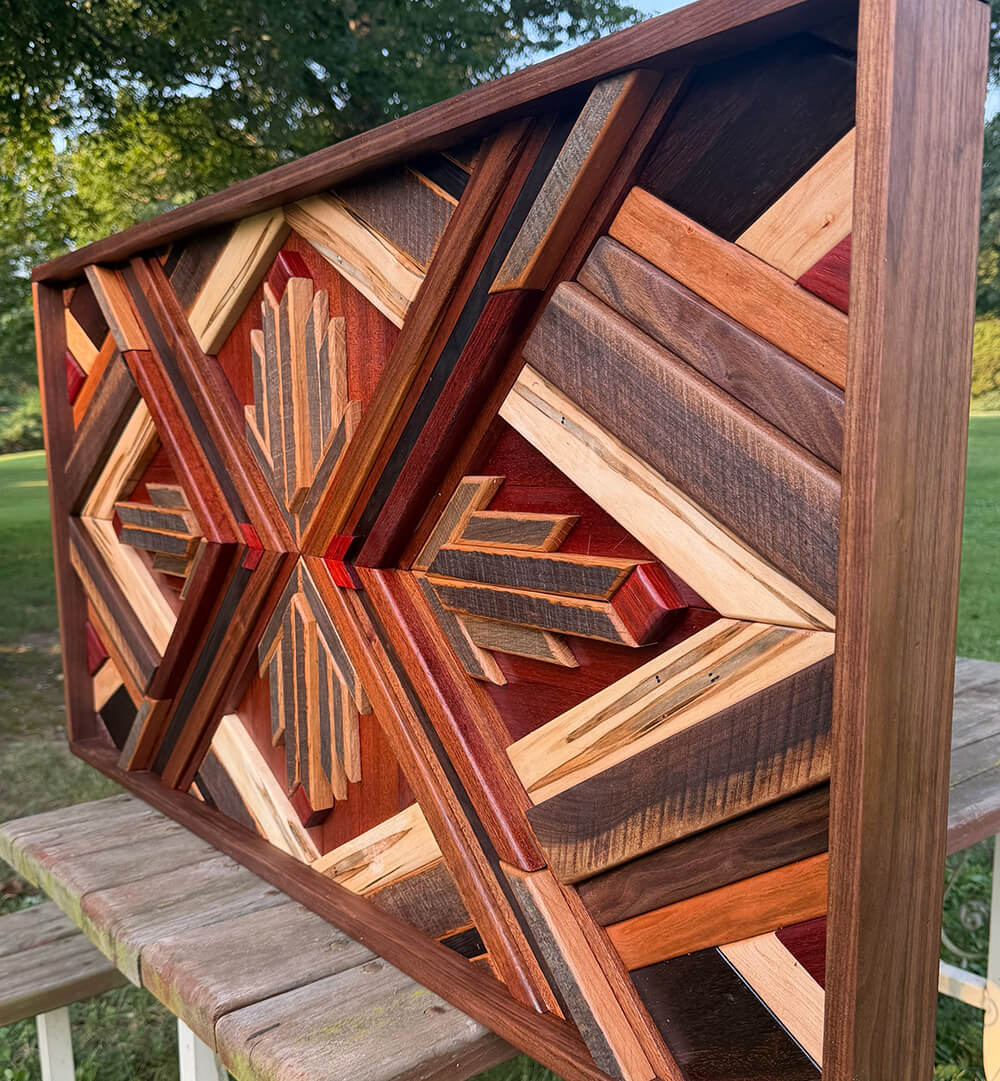
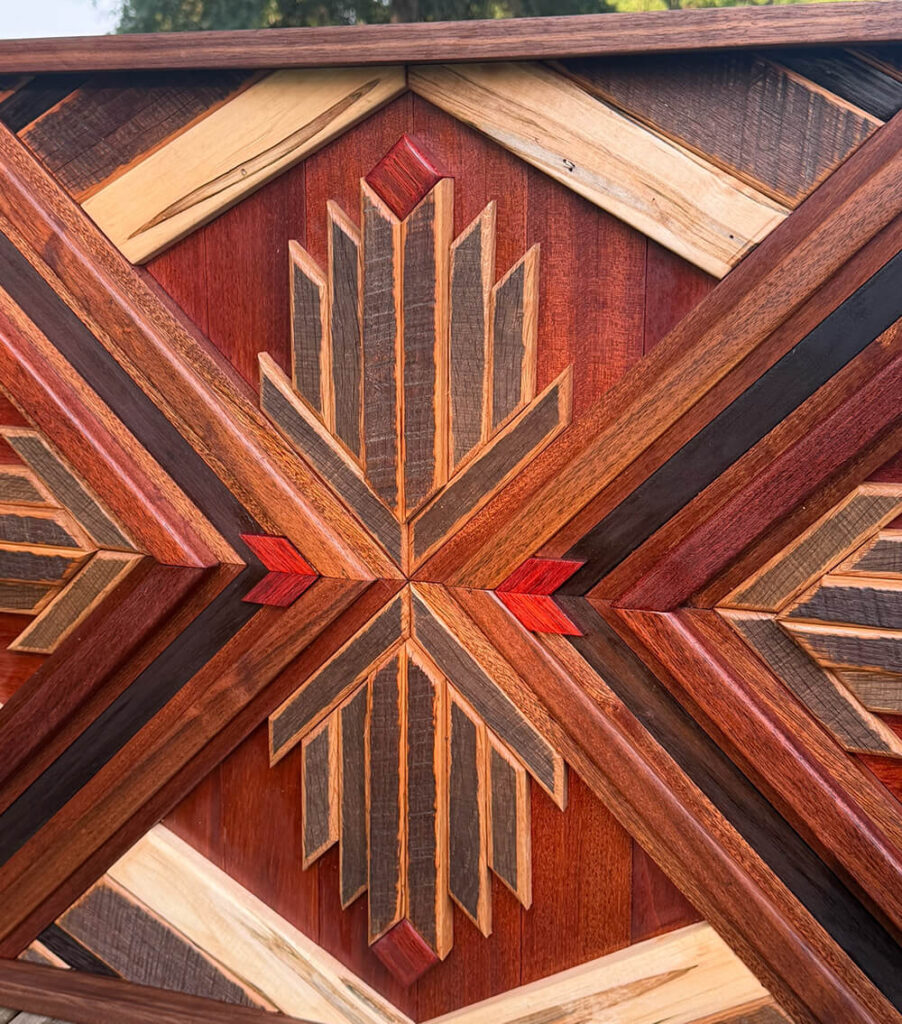
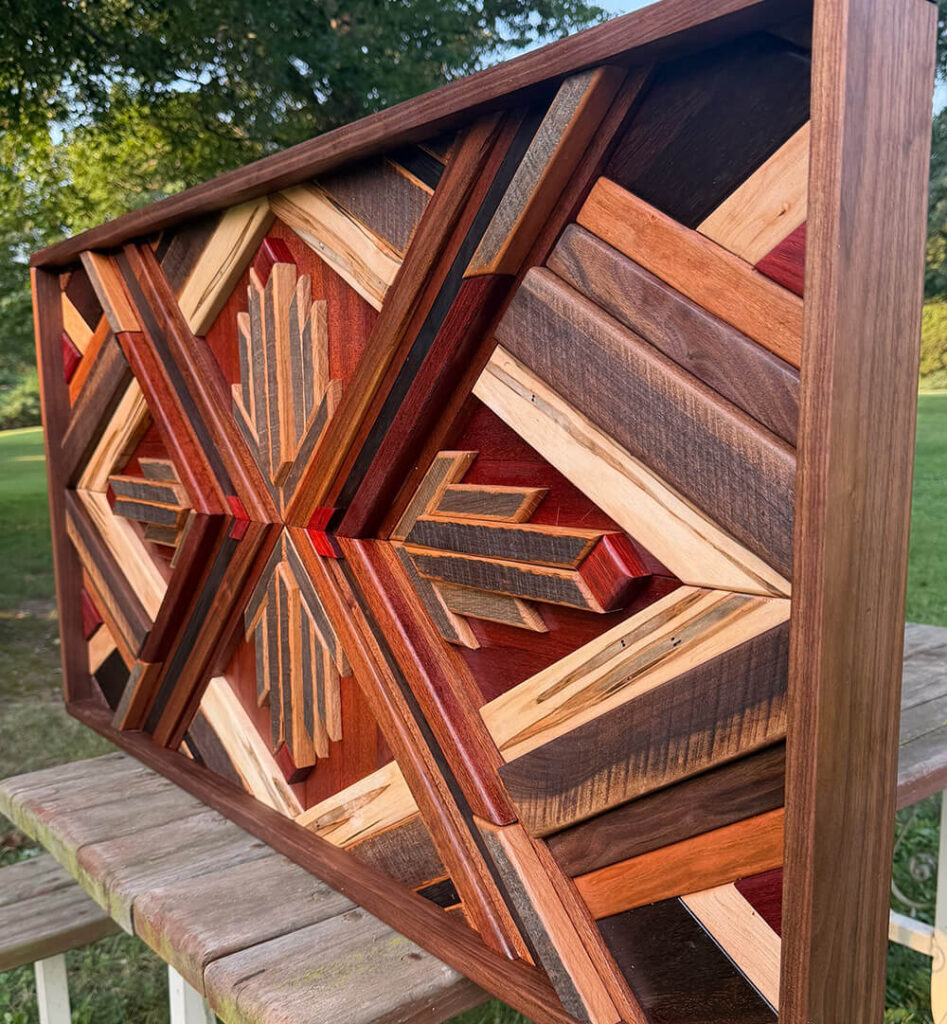
This framed wood mosaic panel uses multi-tone wooden strips to form diamonds, chevrons and stepped details. As a result, the raised structure creates more depth and shadow than a flat printed panel.
UNH Cooperative Extension defines a barn quilt as a quilt-block design painted on wood. In contrast, this product uses arranged wooden strips to create a three-dimensional geometric composition. Therefore, buyers should describe it as geometric wood mosaic wall art rather than traditional painted barn quilt décor.
Match the Product to Commercial Uses
Its warm wood tones suit Southwestern, rustic and boho collections. For example, retailers can display it with natural furniture, woven textiles and neutral accessories.
In addition, the design works in hotels, restaurants, offices and residential projects. Buyers can view related styles in our wood wall art collection.
Confirm Materials Before Ordering
First, the purchasing specification should state the wood type, backboard, frame material, dimensions, weight, adhesive, surface finish and hanging hardware. Product photos alone cannot confirm solid wood, reclaimed wood or handmade production. Consequently, suppliers should verify all material and production claims in writing.
Moreover, buyers should request accurate construction details before comparing quotations. A lower price may reflect thinner components, weaker adhesive or less protective packaging.
Control Samples and Production Batches
Moisture control helps reduce cracking, frame movement and wooden strip separation. Therefore, suppliers should monitor wood moisture before assembly and packing.
Next, an approved sample should define colour placement, surface finish, dimensional tolerances and acceptable grain variation. Each revision should also receive a version number. In this way, the factory can prevent outdated specifications from entering production.
Finally, new batches should match the approved sample under consistent lighting. Although natural grain will vary, the overall colour balance and geometric layout should remain commercially consistent.
Inspect Structure and Appearance
Quality inspection should cover loose pieces, visible adhesive, cracks, frame alignment and overall dimensions. In addition, inspectors should check colour balance, backboard stability and hanger strength.
For framed designs, inspectors should also examine corner joints and frame gaps. Meanwhile, raised wooden elements should remain firmly attached after normal handling and vibration testing.
Reduce Packaging and Freight Risks
Raised surfaces and exposed corners require guards, surface protection, moisture-resistant packing and a fitted carton. Otherwise, vibration and impact during international transport may damage the wooden strips or frame.
Furthermore, buyers should approve carton dimensions and gross weight before shipment. Excessive packaging volume can increase freight, warehousing and fulfilment costs. Therefore, packaging should protect the artwork without creating unnecessary empty space.
Record Every Customization Detail
A China custom wall art supplier may provide custom sizes, colours, frames, logos, barcodes and private-label packaging. However, every change should enter the written specification and approved sample record.
For example, a new frame colour or hanging system may affect the product code, carton size and installation instructions. As a result, buyers should use separate version numbers for different product configurations.
Prepare an Accurate Purchase Request
Wholesale geometric wood wall art can support European retail and hospitality collections when suppliers control materials, packaging and production consistency. To receive an accurate quotation, buyers should provide required sizes, quantities, colours, destination details and packaging standards.