A living room is often the visual center of a home, and the artwork placed there can influence the entire atmosphere. The right piece can make a simple seating area feel warmer, more balanced and more personal. However, choosing wall art for living room spaces is not only about finding an image you like. Size, color, material, placement and interior style all affect the final result. Whether you prefer an oversized canvas, textured resin art, carved wood decor or a coordinated gallery wall, a few practical design principles can help you make a more confident choice.
Choosing the Right Wall Art for Living Room Spaces
Wall art should feel connected to the furniture and architecture around it rather than looking like an object added at the last minute. Before choosing a design, consider the width of the wall, the size of the sofa or console below it, ceiling height and natural light. These details help determine whether you need one large statement piece, a multi-panel set or several smaller framed pieces.
Style matters too. Modern rooms may suit abstract shapes and clean lines, while warmer interiors often work beautifully with landscapes, botanical art, textured materials or natural wood. The goal is not to match every color in the room. Instead, choose artwork that creates a visual connection while adding enough contrast to become a focal point.
Start with the Right Size and Proportion
One of the most common decorating mistakes is choosing artwork that is too small. A small picture centered above a wide sofa can look disconnected from the furniture even when the artwork itself is attractive.
As a practical starting point, aim for artwork or an art grouping that spans roughly two-thirds of the width of the sofa, console or other major furniture beneath it. For a long sectional or open-plan room, large wall art for living room spaces can provide the visual weight needed to anchor the seating area.
Orientation also matters. Horizontal wall art suits long sofas and sideboards, while vertical artwork can add height to narrow walls or corners. Before ordering, measure the wall and mark the intended dimensions with painter’s tape.
Match Wall Art to Your Interior Style
The artwork should relate to the furniture, lighting and materials already in the space.
Modern wall art for living room interiors often uses abstract compositions, geometric forms, neutral palettes or bold blocks of color. Minimalist interiors may benefit from one large piece with generous negative space rather than many small decorations.
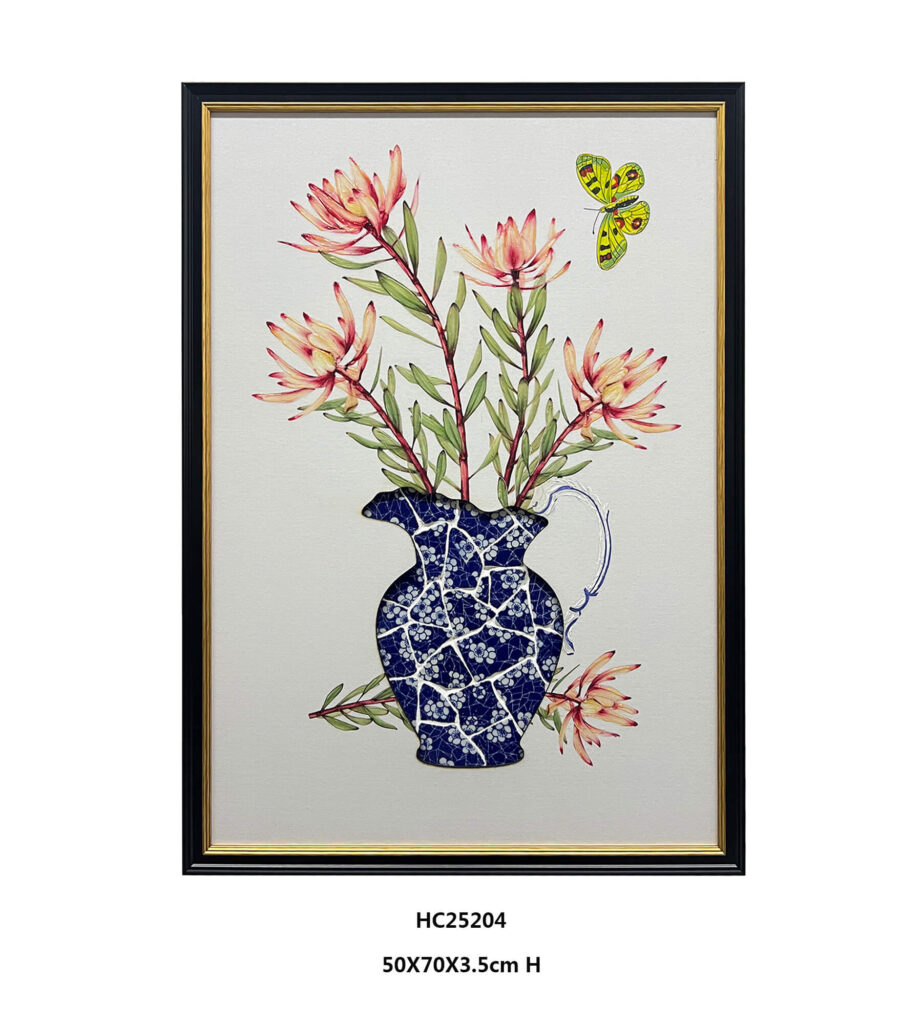
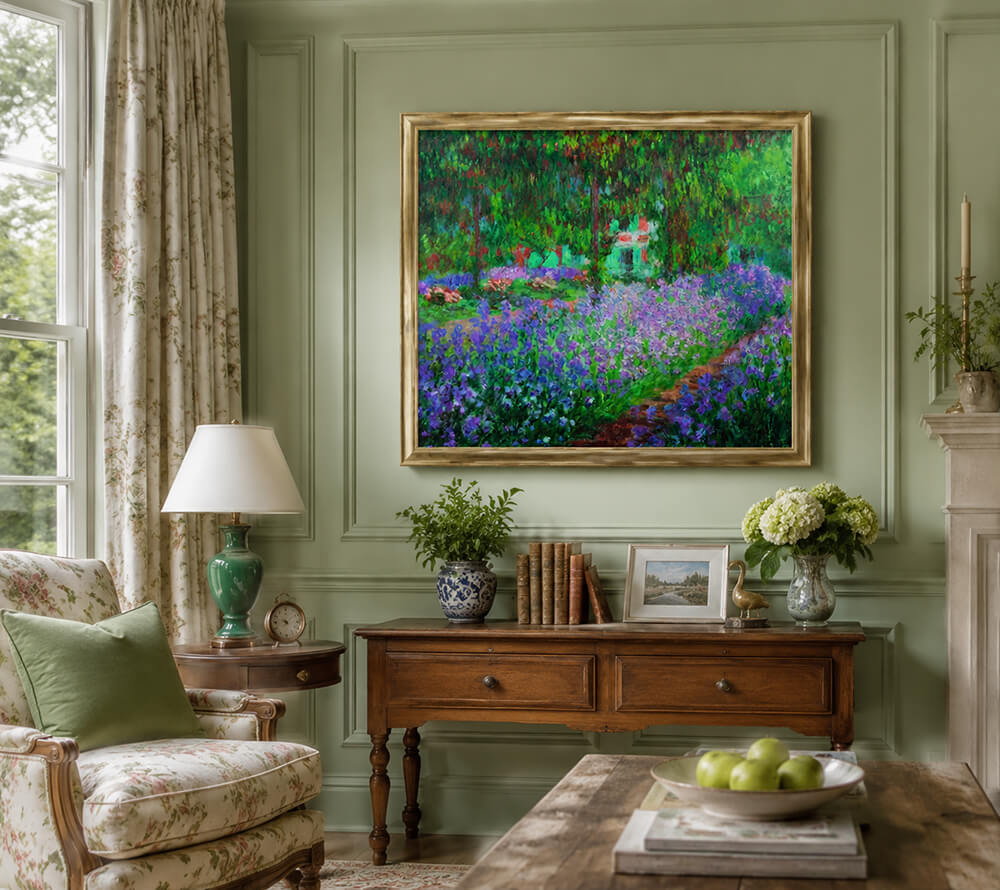
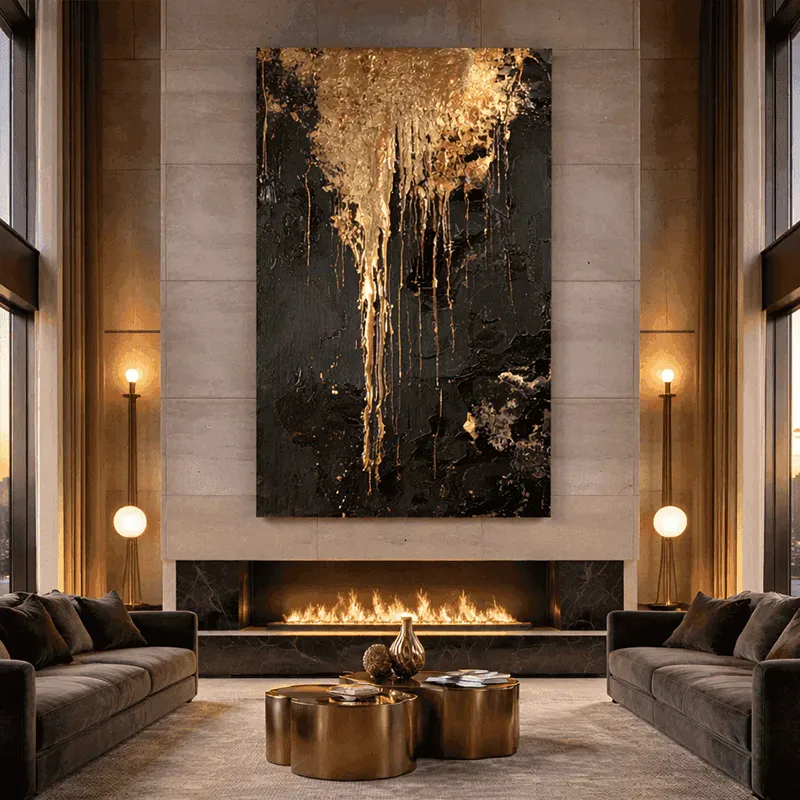
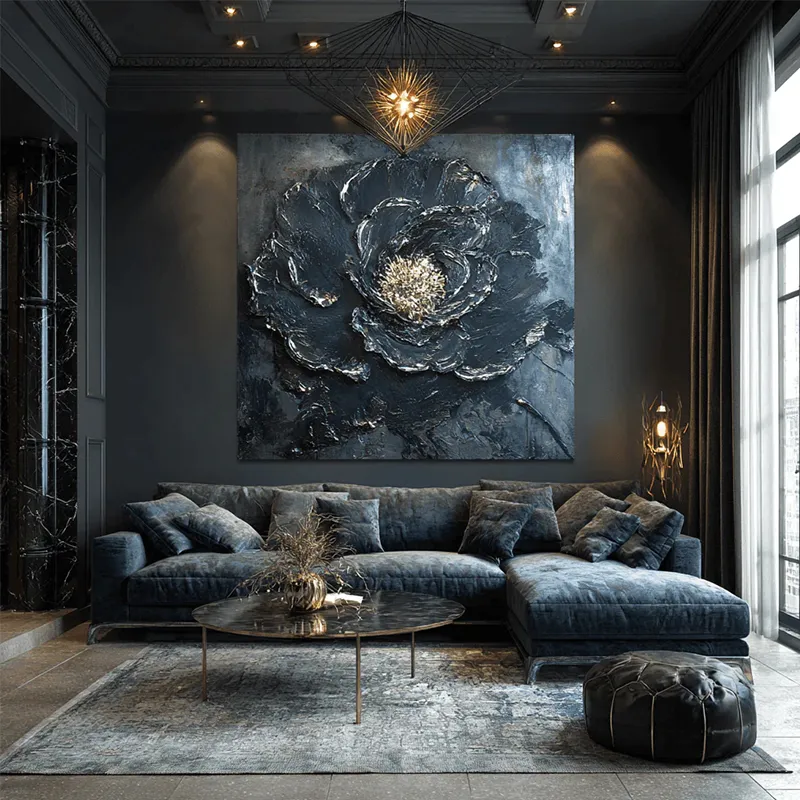
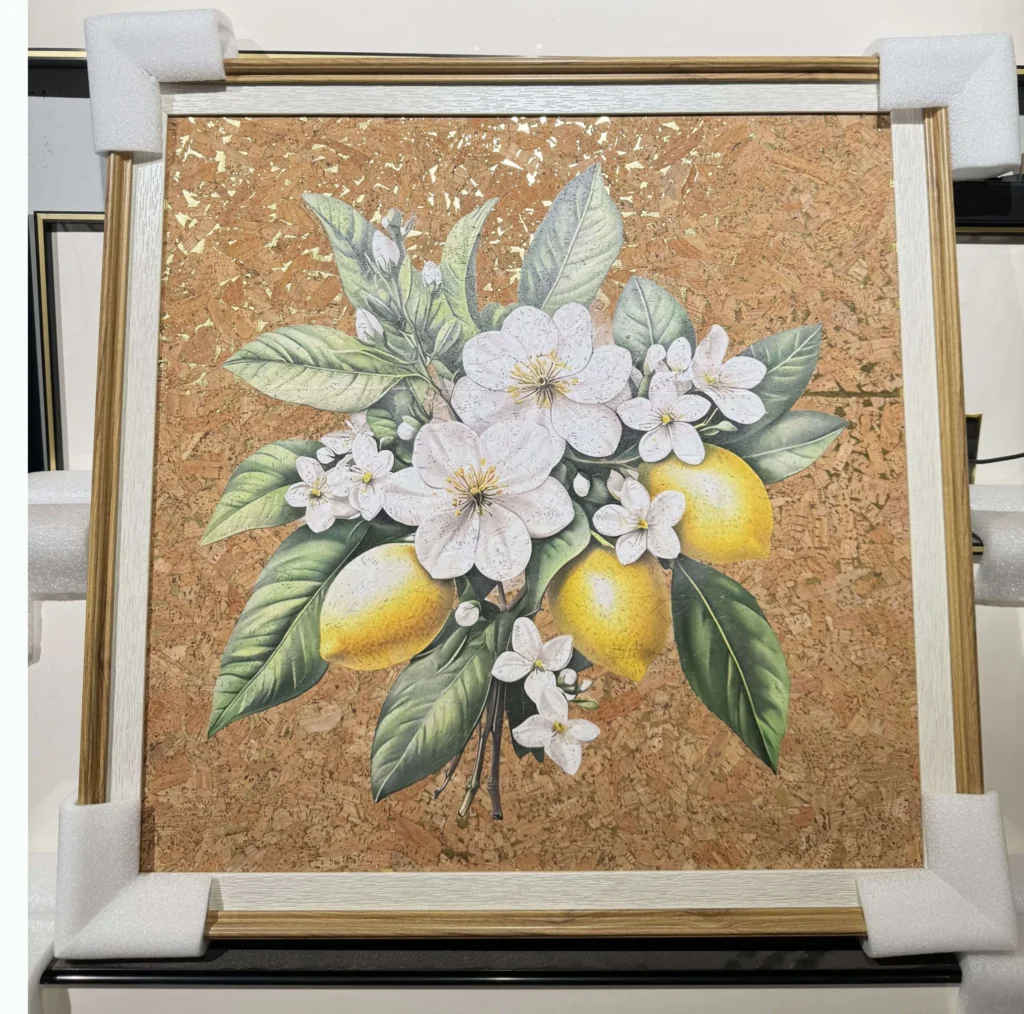
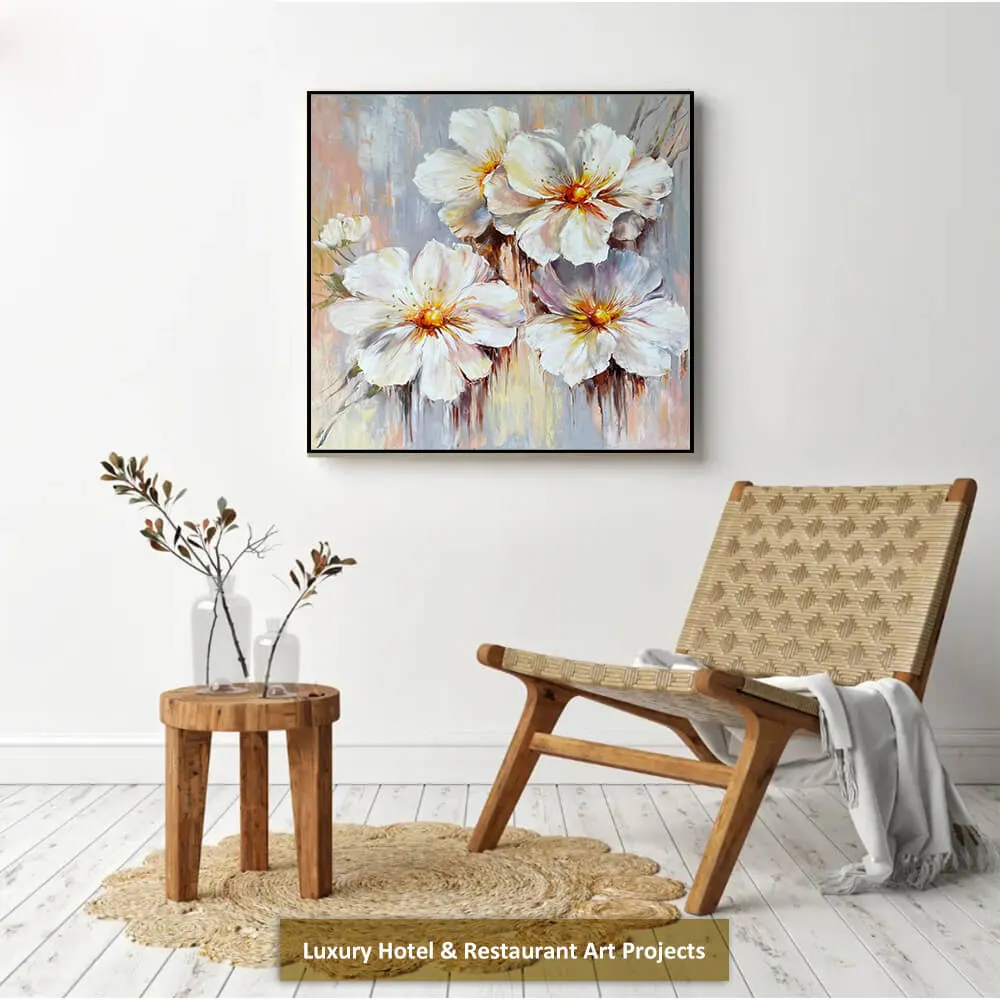
Bohemian and organic interiors work well with wood wall art, botanical themes, hand-finished textures and warm natural colors. Traditional or transitional rooms can support landscapes, floral paintings, figurative artwork and framed reproductions. Luxury interiors often benefit from larger-scale pieces with dimensional surfaces, metallic details, resin finishes or refined frames.
Choose the Best Material for Your Living Room
Material changes how wall art interacts with light and surrounding textures.
Canvas wall art for living room interiors is one of the most versatile choices and works with modern, minimalist, traditional and transitional spaces. Canvas has a softer visual appearance than glass-covered prints and is available in both framed and frameless formats.
Wood wall art introduces warmth and physical texture, making it especially suitable for organic modern, rustic, bohemian and contemporary interiors. Carved or lightly textured wooden pieces can also provide dimension without overwhelming the room.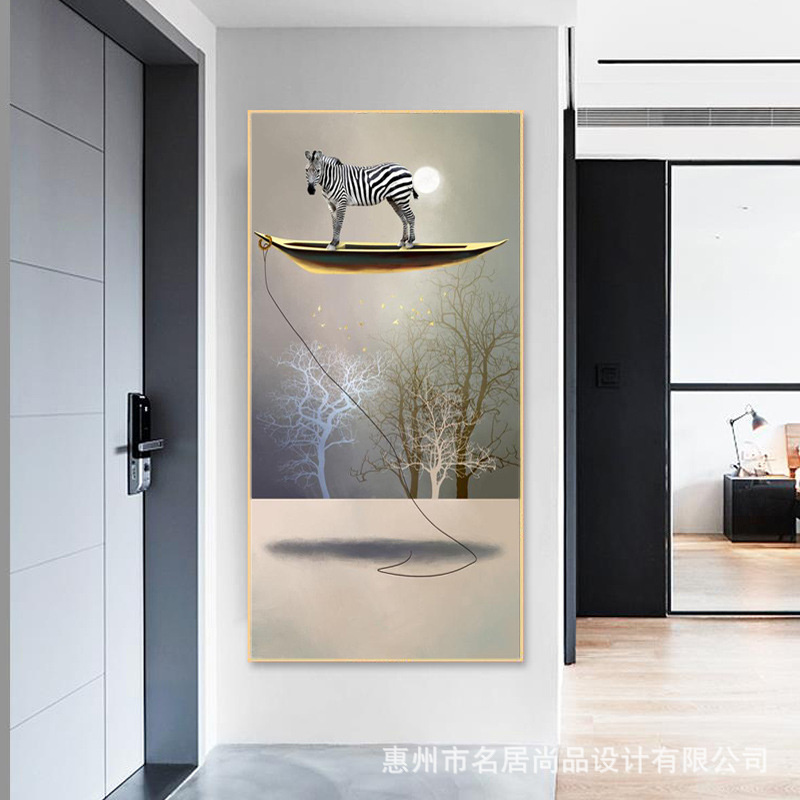
Metal wall art introduces stronger lines and reflections. Black metal works particularly well in industrial and modern spaces, while gold, bronze and brass finishes can create a more decorative or luxurious atmosphere.
Resin and crystal-style wall art can create a glossy, dimensional surface that changes with the light. These pieces work particularly well when the room needs a dramatic focal point.
Traditional oil paintings and fine-art reproductions remain strong choices for classic interiors and can also create an attractive contrast when placed in more contemporary surroundings.
Use Color to Connect the Artwork with the Room
Wall art does not need to match your sofa exactly. A room can feel flat when every decorative element uses the same colors.
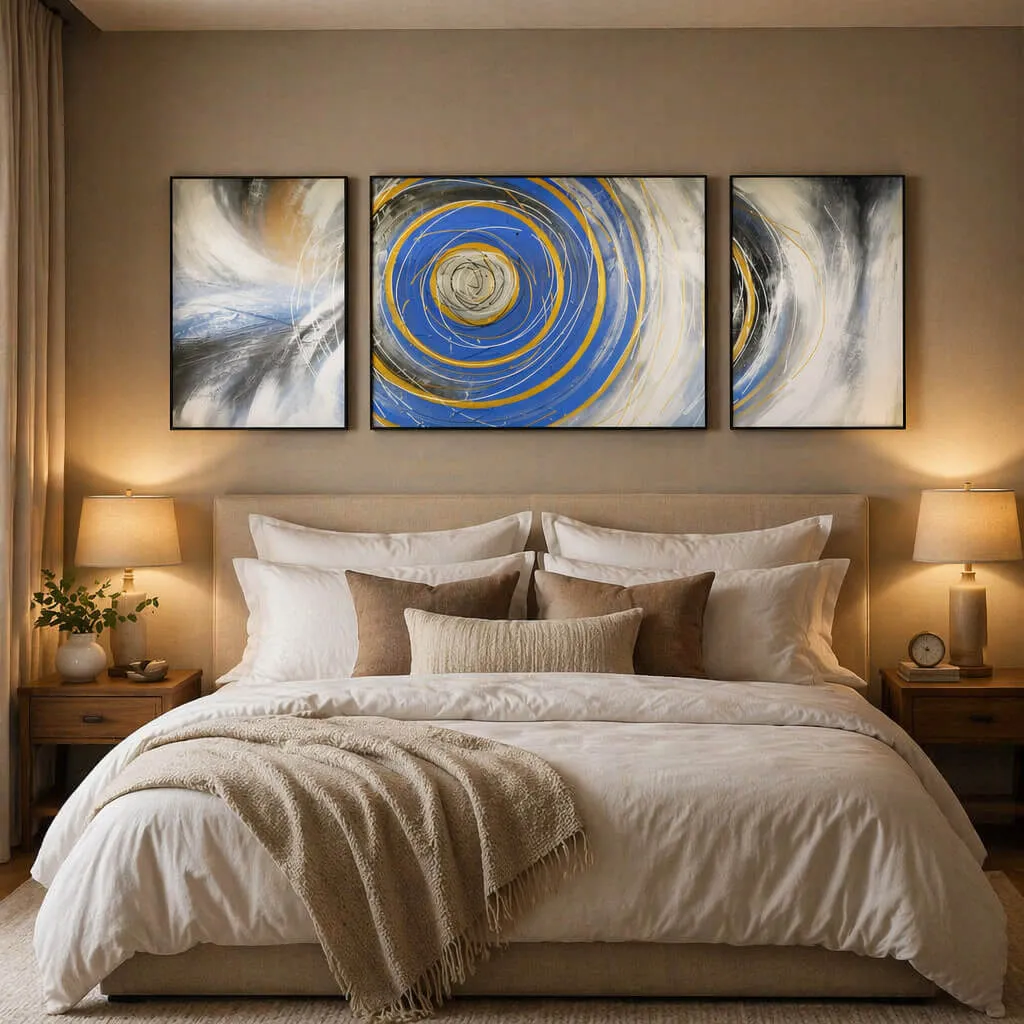
A better approach is to repeat one or two colors already present in the room and allow the artwork to introduce an additional accent. For example, a neutral living room with cream upholstery and walnut furniture could use abstract wall art for living room decor containing beige and brown with touches of deep blue or muted green.
For bold interiors, artwork can reinforce the dominant palette. In quieter rooms, it can become the main source of color.
Neutral abstract designs are particularly flexible because beige, cream, gray, brown and black can coordinate with a wide variety of furniture styles without disappearing completely into the room.
One Large Piece, a Set or a Gallery Wall?
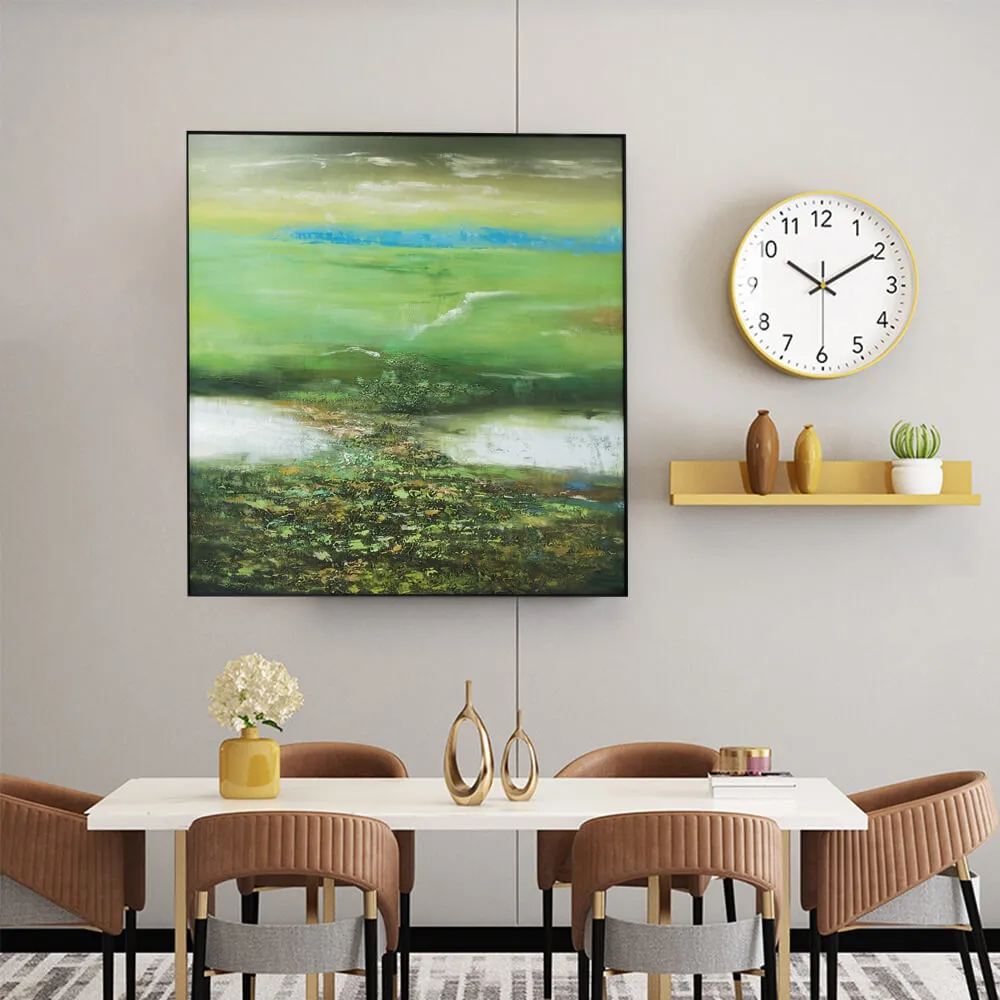
A single piece of oversized wall art for living room interiors is one of the easiest ways to establish a strong focal point. It works particularly well above a sofa, fireplace or console and keeps the wall visually clean.
A diptych or triptych is useful when you need greater width without using one extremely large panel. Multi-piece artwork can also create rhythm across a long wall.
Gallery walls create a more personal and collected appearance. They can combine artwork in several sizes, but the arrangement still needs structure. Keep the spacing reasonably consistent and repeat at least one element, such as frame color, artistic style, subject or color palette.
If the living room already contains patterned rugs, decorative shelving, cushions and numerous accessories, one large statement piece may create better visual balance than a busy gallery wall.
Place Wall Art Above the Sofa with Confidence
The space above the sofa is usually one of the most important locations for living room wall art.
Artwork should feel visually connected to the sofa rather than floating far above it. Keep a comfortable gap between the sofa and the bottom of the artwork and judge the final height from normal viewing positions within the room.
For very long sofas, consider panoramic artwork, a wide abstract canvas or a coordinated three-piece set. These formats fill horizontal wall space more naturally.
For a smaller sofa or apartment living room, one medium-to-large framed artwork may provide enough visual impact without making the space feel crowded.
Before installing anything permanently, temporarily mark the proposed artwork dimensions on the wall. This helps you compare different sizes and positions without relying on guesswork.
Consider Custom Wall Art for Difficult Spaces
Standard artwork dimensions do not always work for unusually wide walls, high ceilings or custom furniture layouts.
Custom wall art allows dimensions, colors, materials, framing and surface finishes to be adapted to a specific interior. A design can be produced as a large statement canvas, textured resin artwork, carved wooden panel, metal composition or other decorative format depending on the room.
This flexibility is useful for homeowners creating a feature wall, interior designers developing coordinated spaces, or retailers that require consistent collections in multiple sizes.
Custom sizing can be particularly valuable for large living rooms because the proportions of the artwork can be planned around the actual sofa, wall and surrounding furniture instead of forcing a standard-size product into the available space.
Final Thoughts
Choosing wall art for living room spaces becomes much easier when you begin with scale and placement before focusing on style. Measure the wall, consider the furniture beneath it, decide whether the room needs one focal piece or a multi-piece arrangement, and then choose materials and colors that support the overall interior.
Large canvas art, abstract designs, wood wall decor, metal pieces, resin artwork and framed paintings can all work beautifully when their scale and character suit the room.
The best wall art does more than fill an empty wall. It gives the living room a visual center, introduces personality and helps furniture, color and decorative elements feel intentionally connected.