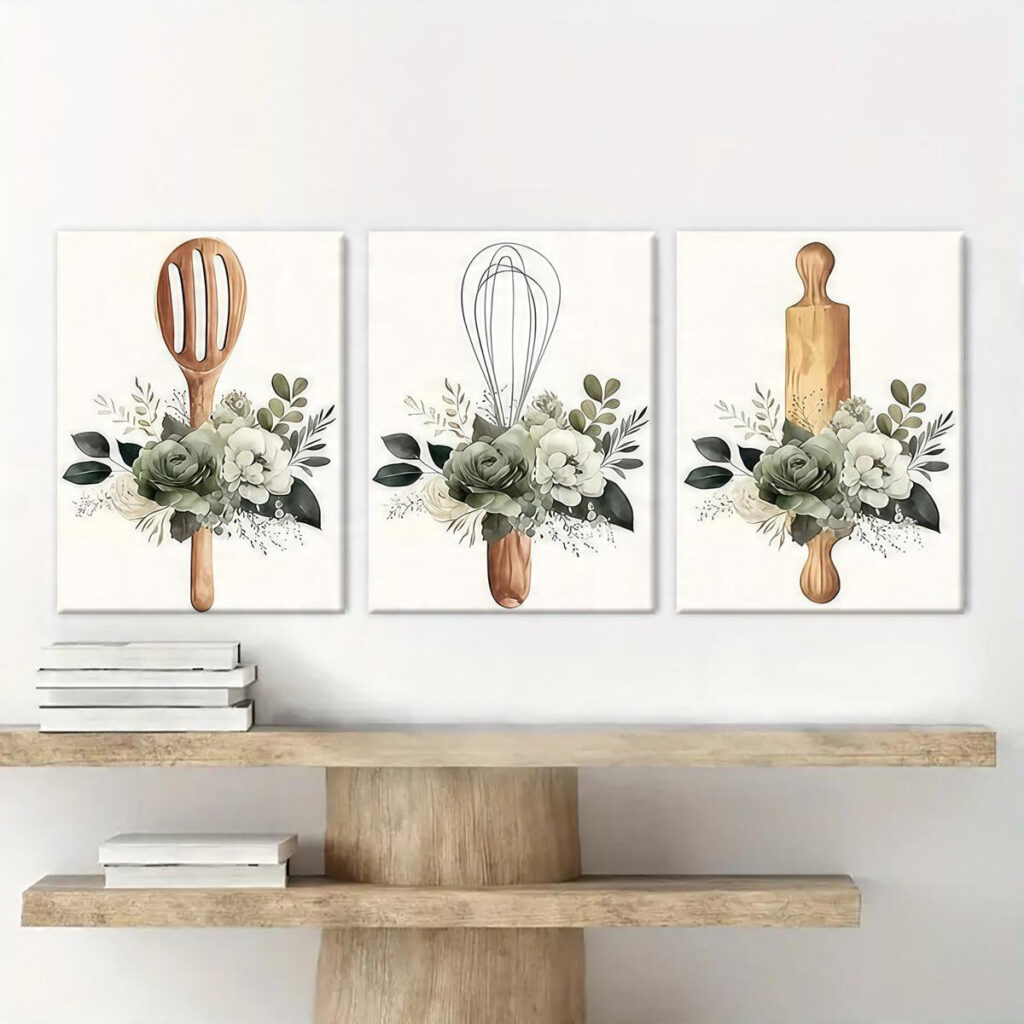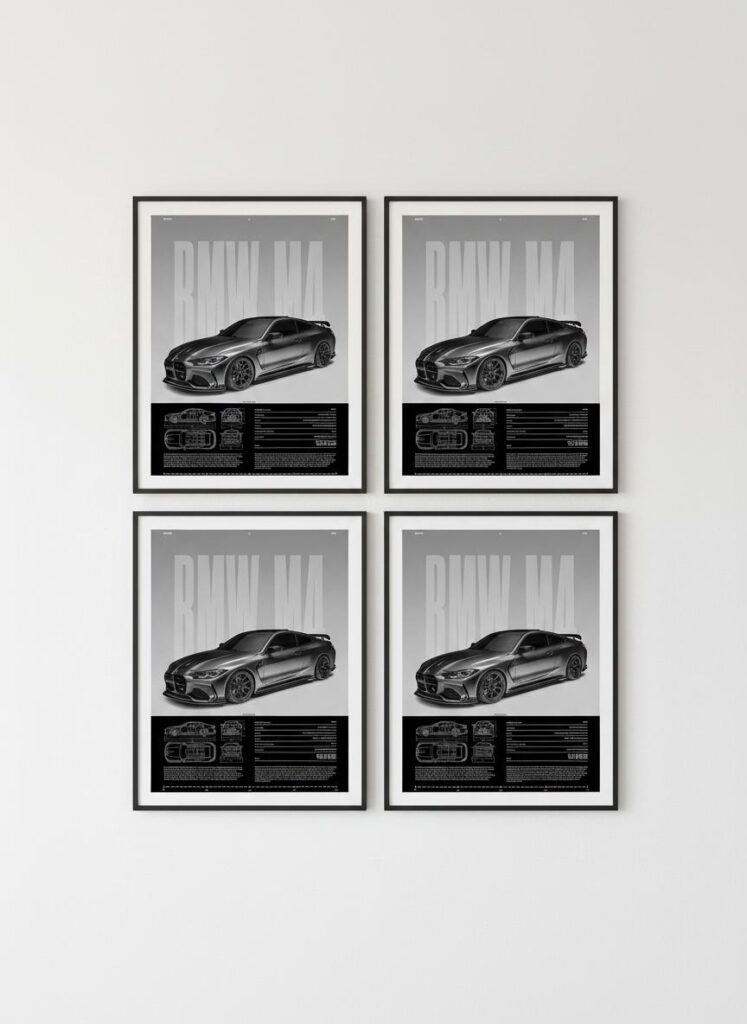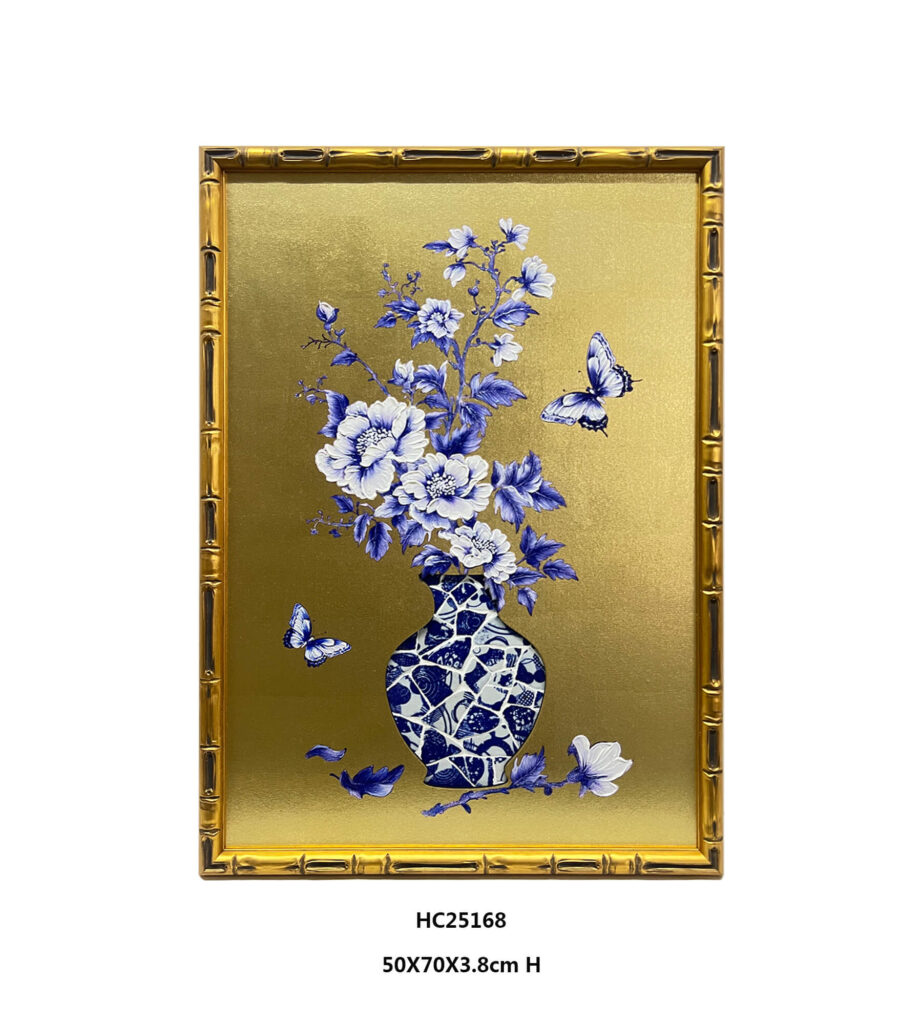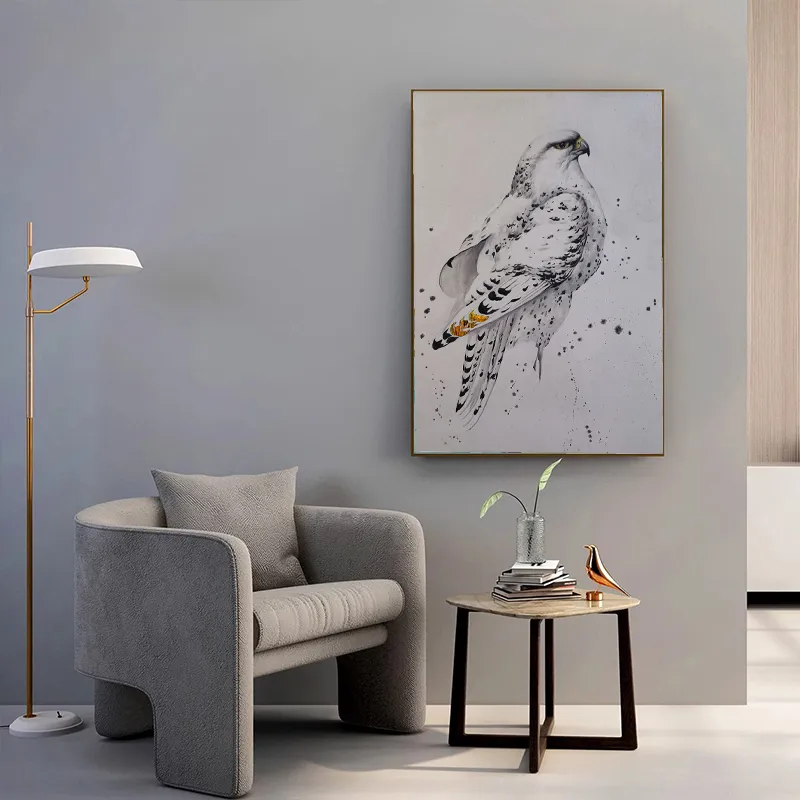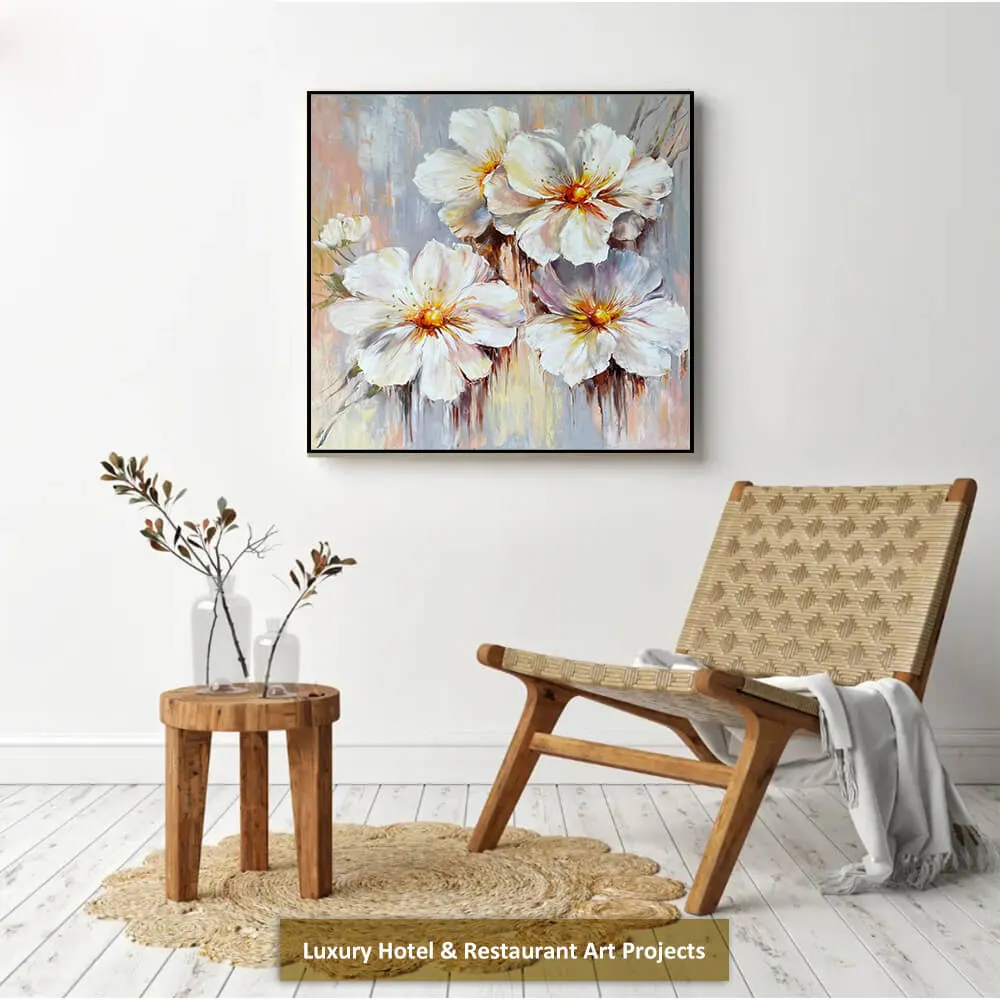
Modern interiors are becoming warmer, more expressive and more personal, and wall art is playing an increasingly important role in that transformation. The biggest 2026 wall art trends move beyond simple framed prints and neutral decoration. Homeowners, interior designers and commercial spaces are embracing richer colors, tactile materials, oversized statement pieces and artwork that brings a sense of craftsmanship into the room.
Instead of following one rigid design style, 2026 is about creating interiors that feel collected, comfortable and individual. From sculptural wood wall art to glossy resin pieces and textured metal designs, art is becoming part of the architecture and atmosphere of a space rather than simply filling an empty wall.
2026 Wall Art Trends: The Styles, Colors and Materials Shaping Modern Interiors
Wall art in 2026 reflects a broader change taking place throughout interior design. Minimalism has not disappeared, but the cold, highly uniform version of minimalism is losing ground to rooms with more warmth, texture and personality. Current design reports highlight a growing preference for tactile environments, warmer palettes, natural materials and interiors that feel lived-in rather than perfectly staged.
This shift creates new possibilities for decorating walls. A large piece of art can introduce color without repainting an entire room, while textured artwork can add dimension to a simple interior. Mixed materials such as wood, metal, porcelain, glass and resin also allow designers to connect wall decor with furniture, flooring, lighting and architectural finishes.
The result is a more flexible approach to wall decoration: fewer rules, stronger focal points and more emphasis on choosing pieces that contribute something meaningful to the space.
1. Warm Earth Tones Replace Flat Neutral Palettes
Warm and nature-inspired colors are among the strongest interior directions of 2026. Chocolate brown, rust, mushroom, sage, olive, taupe and cream are appearing across furniture, paint and decorative accessories. Houzz’s 2026 trend data recorded especially strong growth in searches for rust and chocolate brown, reinforcing the move toward warmer, grounded interiors.
Wall art provides an easy way to introduce these colors.
Abstract compositions featuring burnt orange, caramel, brown, muted green and sand tones work particularly well with contemporary living rooms and bedrooms. Blue is also evolving. Instead of bright coastal shades, dusty blue and softer mineral-inspired tones are being paired with chocolate brown, ochre and natural wood.
For wall art collections, this means moving beyond black, white and beige and developing more layered palettes that still feel sophisticated.
2. Textured and Three-Dimensional Wall Art Takes Center Stage
Flat imagery remains important, but texture is becoming a much bigger part of modern wall decor.
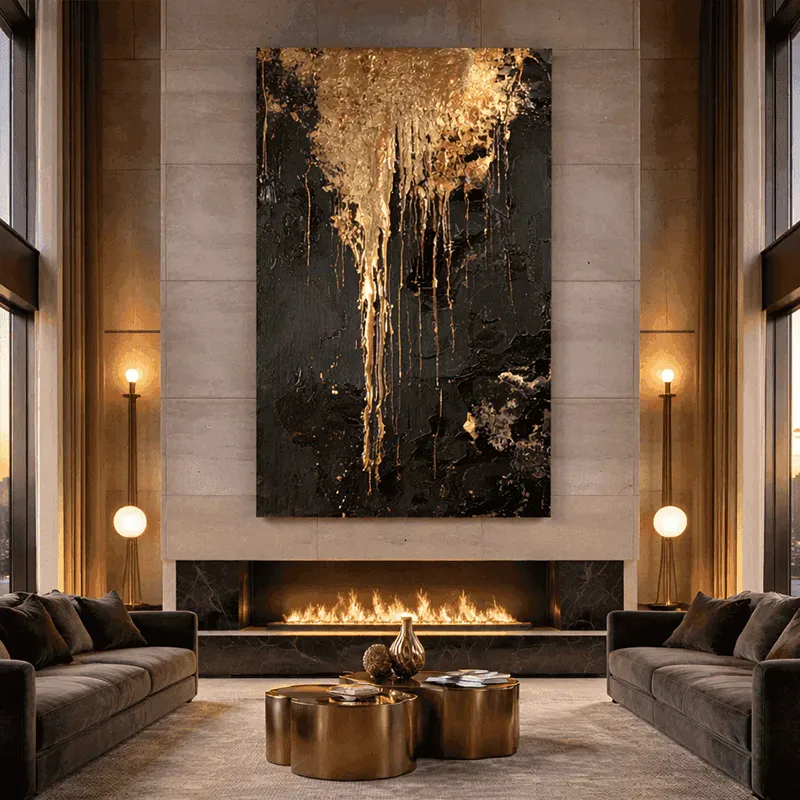
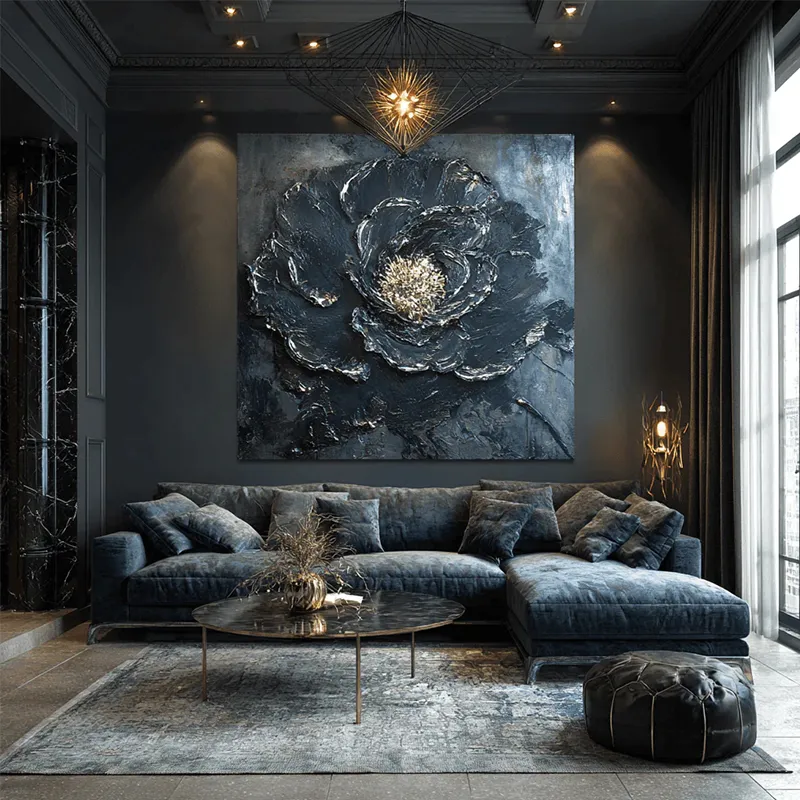
Consumers increasingly want interiors that feel tactile and visually interesting. That makes textured wall art particularly relevant in 2026. Sculpted surfaces, raised details, carved patterns, layered materials, crystal elements and dimensional finishes can transform artwork depending on the angle of the viewer and the surrounding light.
Wood carvings can introduce organic depth. Resin and crystal wall art can create glossy reflective surfaces. Metal designs add shadows and architectural structure, while porcelain elements offer a handcrafted decorative quality.
These pieces are especially effective in large living rooms, hotel lobbies, offices, restaurants and entrance areas where artwork needs enough visual presence to compete with a larger space.
3. Wood Wall Art Brings Nature Indoors
Natural materials continue to influence contemporary interiors, and wood wall art fits naturally into this movement.
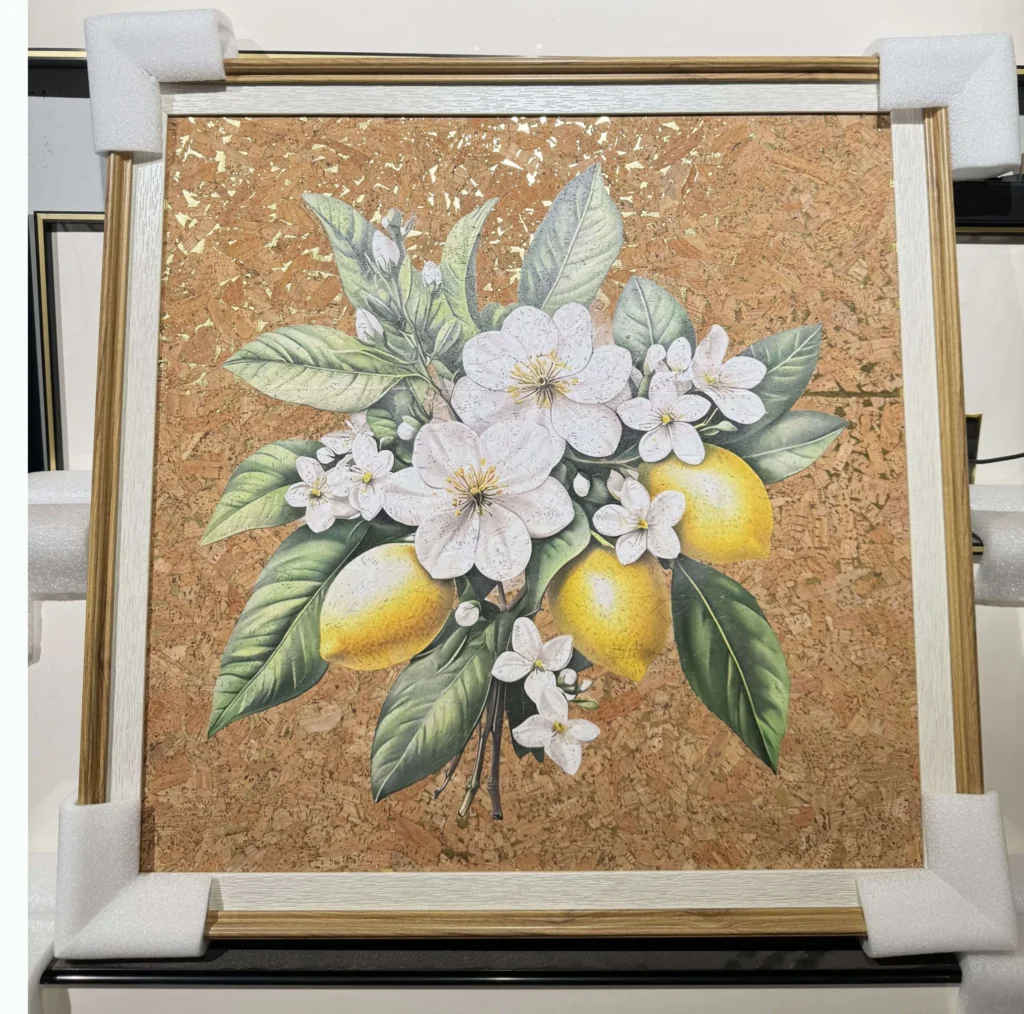
Rather than highly polished or artificial-looking surfaces, many interiors are embracing visible grain, warmer stains and handcrafted details. Darker wood tones such as walnut and espresso are also becoming more prominent as designers move away from the pale, bleached finishes that dominated previous years.
Abstract wood carvings, botanical forms, geometric compositions and subtle relief designs can work across modern, rustic, Japandi, bohemian and luxury interiors.
The strength of wooden artwork is its versatility. It introduces texture without demanding strong color, making it suitable for both neutral spaces and rooms already filled with decorative elements.
4. Statement Art Becomes Bigger and More Sculptural
Another important 2026 direction is the continued rise of large wall art.
Instead of covering a wall with numerous unrelated accessories, one oversized artwork can create a stronger and cleaner focal point. Large abstract pieces, sculptural installations and multi-panel compositions work particularly well above sofas, beds, dining tables and reception desks.
This trend also matches the growing desire for more intentional interiors. Rather than purchasing many small decorative objects, homeowners and designers can select fewer pieces with greater visual impact.
Curved lines, irregular silhouettes and organic shapes are particularly relevant. Houzz reported rising interest in soft geometry and curved architectural forms during 2026, and similar shapes translate naturally into contemporary wall art.
5. Metal Wall Art Moves Beyond Industrial Style
Metal wall decor is no longer limited to industrial interiors.
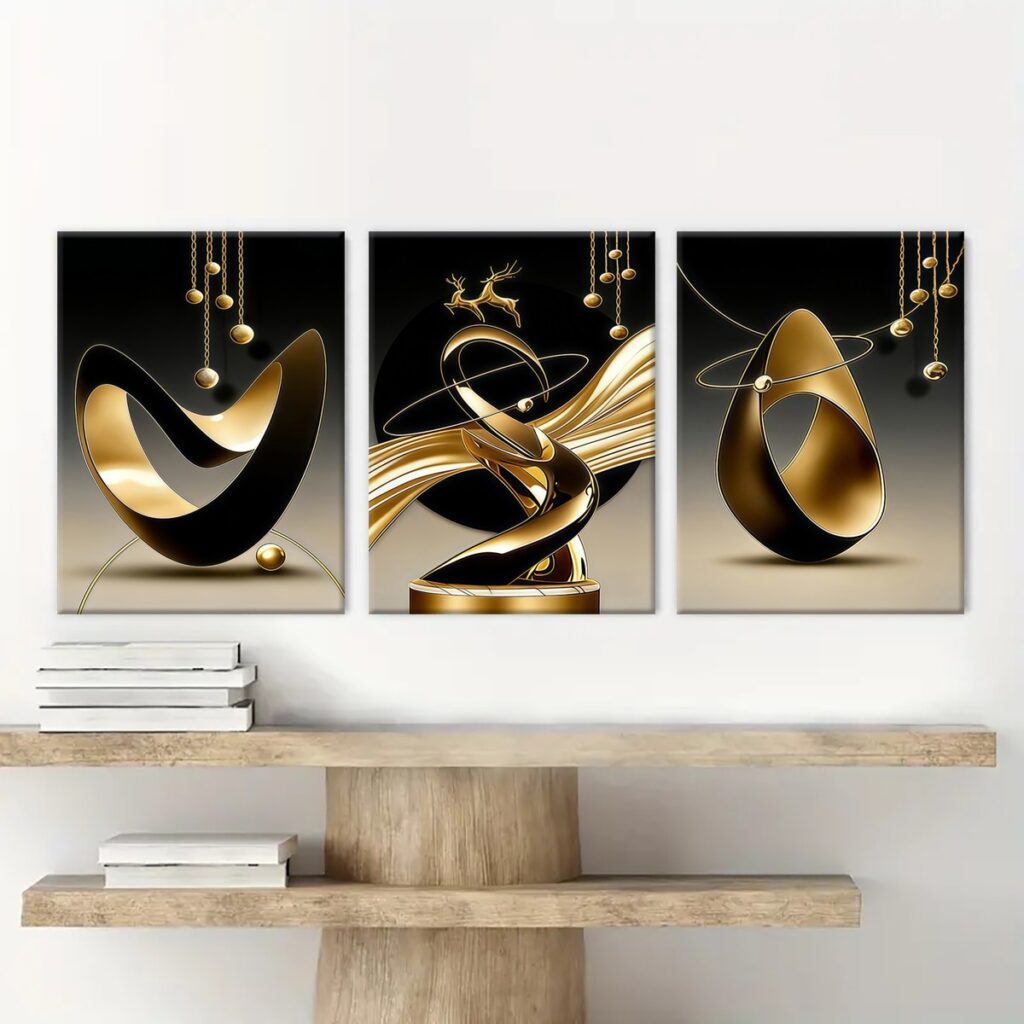
In 2026, metal is increasingly being combined with softer shapes, natural motifs and warmer finishes. Black metal remains popular for minimalist spaces, while gold, bronze and brushed metallic surfaces work well in luxury and hospitality environments.
Abstract metal sculptures, botanical designs, geometric compositions and layered pieces can add dimension without visually overwhelming a room.
Metal also pairs particularly well with stone, dark wood, textured fabrics and warm neutral walls, making it a useful material for contemporary mixed-material interiors.
6. Resin, Glass and High-Gloss Finishes Add Visual Drama
While natural surfaces are growing, polished and reflective finishes are also finding their place.
The difference is contrast.
A glossy resin wall art piece placed against matte walls, linen furniture or natural wood creates a strong visual focal point. Resin artwork can incorporate flowing abstract patterns, metallic details, crushed glass, crystals and layered pigments, producing depth that conventional printed artwork cannot easily replicate.
This interaction between rough and polished materials reflects a broader 2026 interest in material contrast. Rather than making every surface match, designers are deliberately combining different textures to create more sophisticated interiors.
7. Personalization Is More Important Than Perfect Styling
Perhaps the most important wall art trend of 2026 is not a specific color or material.
It is individuality.
Highly coordinated interiors designed only to photograph well are giving way to homes that feel more personal and collected. Artwork therefore becomes an opportunity to express interests, memories, cultural influences and individual taste.
Custom sizes, personalized color palettes, made-to-order artwork and commissioned designs can help homeowners and designers create spaces that do not look identical to every interior seen online.
This is also why handcrafted details and visible material character are becoming increasingly valuable. Small variations can make a piece feel more authentic rather than mass-produced.
Choosing Wall Art for a 2026 Interior
Following trends does not mean replacing artwork every year. The best approach is to use trends as inspiration while selecting pieces that complement the architecture, furniture and personality of the space.
For a modern room, consider one oversized abstract artwork or a sculptural metal piece. For warmer organic interiors, carved wood and earthy colors can create balance. Luxury environments can benefit from resin, crystal, porcelain or metallic finishes, while eclectic rooms can combine different artwork styles and frame materials.
Scale remains equally important. Wall art should relate to the furniture beneath it and have enough visual weight to anchor the room without making the surrounding space feel crowded.
The Future of Wall Art Is More Personal and Material-Driven
The defining 2026 wall art trends share one common idea: interiors are becoming warmer, richer and more individual.
Earthy colors are replacing sterile neutrality. Wood, metal, porcelain and resin are giving walls greater texture. Oversized artworks are creating stronger focal points, while handcrafted and customized pieces allow spaces to feel more personal.
For homeowners, interior designers, retailers and commercial projects, the opportunity is no longer simply to find something that matches the wall. The goal is to choose artwork that adds character, texture and emotional presence to the entire space.
As modern interiors continue to move toward more expressive and layered design, wall art will remain one of the simplest—and most powerful—ways to define how a room looks and feels.