Holo art wall décor is bringing a fresh visual language into contemporary interiors. Instead of relying only on painted colors or traditional printed patterns, this type of wall art interacts with surrounding light to produce shifting tones, reflective highlights and iridescent effects. As the viewing angle changes, the artwork can appear completely different, creating a dynamic focal point that feels more alive than conventional wall decoration.
From minimalist apartments and creative studios to bedrooms, gaming rooms, retail spaces and modern offices, holographic-inspired artwork can introduce color without overwhelming the room. Its combination of light, texture and reflective surfaces also makes it particularly appealing for interiors influenced by futuristic, contemporary and experimental design.
Holo Art Wall Décor: Transforming Modern Interiors With Light and Color
The defining characteristic of holo art wall décor is its relationship with light. While traditional artwork usually maintains a relatively consistent appearance throughout the day, holographic and iridescent surfaces can change depending on natural sunlight, artificial lighting and the viewer’s position.
A single artwork may shift between silver, blue, violet, pink, green or gold as light moves across the surface. These changing colors give the artwork a layered appearance and can make even a simple composition feel more dimensional.
This visual effect makes holo wall art especially useful when homeowners or designers want to create a statement wall without introducing complicated patterns or excessive decoration.
What Is Holo Art Wall Décor?
Holo art wall décor generally refers to decorative artwork that incorporates holographic, iridescent, metallic or light-reflective visual effects. The term can cover several different styles and production techniques, from abstract prints with holographic finishes to layered artworks incorporating reflective films, metallic surfaces, resin effects or specially treated decorative materials.
Unlike ordinary colorful wall art, holographic designs depend heavily on interaction with light.
The result is artwork that may look subtle from one angle and dramatically colorful from another.
Common characteristics include:
- Iridescent color transitions
- Metallic or reflective surfaces
- Rainbow-like light effects
- Abstract geometric compositions
- Futuristic textures
- Layered visual depth
- High-gloss or shimmering finishes
These qualities allow holographic wall art to function as both artwork and an interior design element.
Why Holographic Wall Art Works in Modern Interiors
Modern interior design often favors clean architecture, neutral furniture and relatively simple color palettes. While these spaces can look elegant, they sometimes need a stronger visual element to prevent the room from feeling too plain.
This is where holographic wall art can work particularly well.
Instead of adding many decorative objects, one carefully selected piece can introduce multiple colors while maintaining a clean overall composition.
For example, an iridescent artwork placed against a white, beige or light gray wall can become a strong visual centerpiece. In darker interiors, reflective surfaces can catch artificial lighting and create dramatic highlights.
The artwork therefore becomes part of the room’s lighting experience rather than simply something placed on the wall.
Holo Art for Living Rooms
The living room is one of the best places to experiment with holo art wall décor because larger wall areas provide enough space for reflective artwork to make an impact.
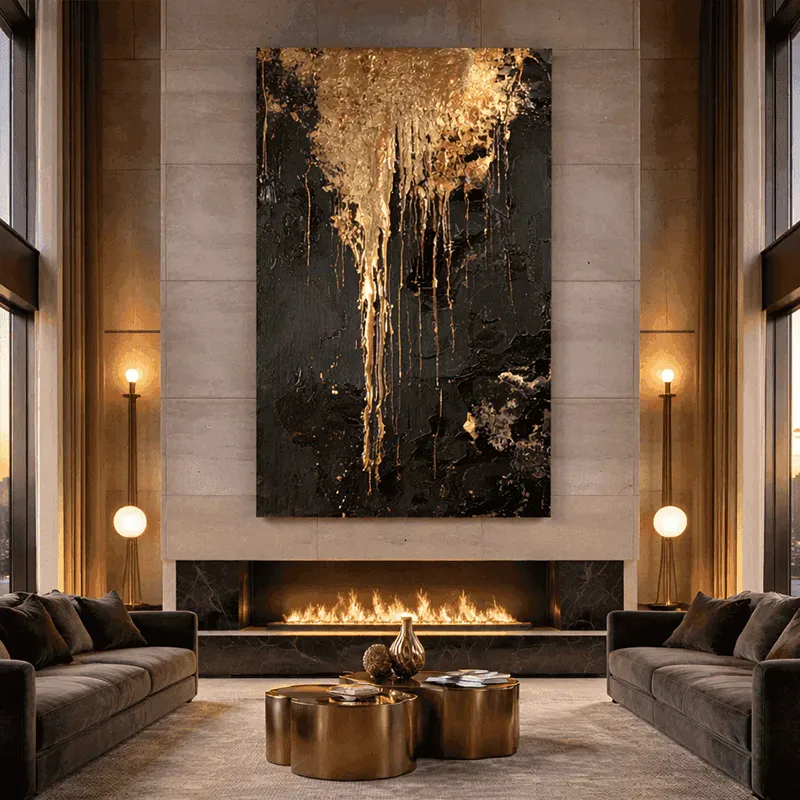
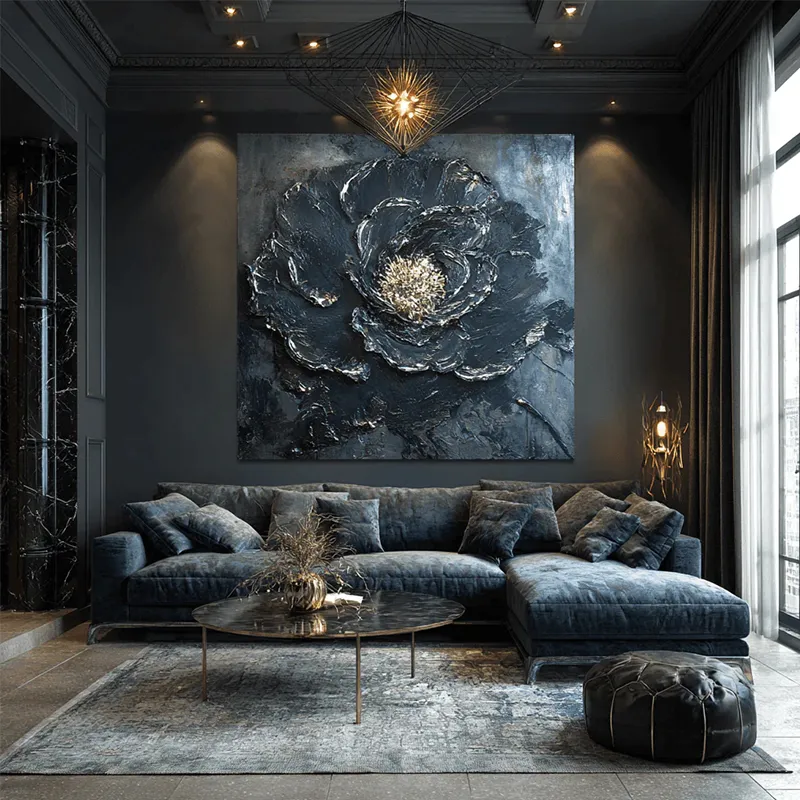
A large holographic or iridescent piece can work particularly well above:
- Sofas
- Console tables
- Fireplaces
- Sideboards
- Entertainment units
For a balanced look, the artwork should relate to the scale of the furniture underneath it.
In contemporary living rooms, oversized abstract holo art can often replace a complicated gallery wall. One statement piece creates a cleaner visual effect while allowing the changing colors and reflections to become the main attraction.
Neutral furniture also pairs particularly well with holographic surfaces because the artwork provides color without requiring permanent changes to furniture, curtains or wall paint.
Creating a Futuristic Bedroom or Gaming Space
Holographic design naturally works with interiors inspired by technology, gaming and futuristic aesthetics.
Bedrooms, gaming rooms and entertainment spaces often use LED strips, RGB lighting and adjustable smart lighting. These environments can dramatically change the appearance of reflective wall art.
Under cool blue lighting, an iridescent artwork may emphasize purple and turquoise tones. Warmer lighting can reveal gold, pink or amber reflections.
Because of this interaction, the same artwork can support multiple room moods.
However, the strongest interiors usually avoid covering every wall with reflective decoration. A single feature piece often produces a more sophisticated effect than several competing holographic surfaces.
Iridescent Wall Decor for Minimalist Spaces
Although holographic art is often associated with bold futuristic interiors, it can also work surprisingly well in minimalist homes.
The key is restraint.
A simple abstract composition using silver, pearl or subtle iridescent finishes can add visual interest while preserving the clean appearance of the room.
This approach works particularly well with:
- White walls
- Natural wood furniture
- Concrete surfaces
- Light gray interiors
- Black-and-white color schemes
Instead of introducing many decorative colors, the artwork reflects colors already present in the surrounding environment.
This allows iridescent wall decor to feel integrated rather than disconnected from the interior.
Choosing the Right Size
Scale has a major influence on how wall art feels within a room.
Small holographic pieces work well in compact areas such as hallways, reading corners or grouped displays. Larger pieces are better suited to living rooms, bedrooms, offices and commercial spaces where the artwork needs to be visible from a distance.
When hanging artwork above furniture, avoid selecting a piece that looks significantly narrower than the furniture underneath it.
For large walls, consider oversized wall art or coordinated multi-panel designs. Larger reflective surfaces also provide more space for holographic color transitions to become visible.
Lighting Makes a Major Difference
Lighting is especially important when displaying reflective or holographic artwork.
Natural daylight can reveal subtle color changes that may not be visible under standard indoor lighting. Direct sunlight, however, can create stronger reflections depending on the material and surface finish.
Artificial lighting provides another opportunity.
Spotlights, track lighting or adjustable wall lights can highlight specific sections of the artwork and emphasize its texture. RGB and colored lighting can create even more dramatic transformations.
Before deciding where to hang the artwork permanently, observe the wall at several times during the day.
The ideal location is usually one where the artwork receives enough changing light to reveal its reflective qualities without producing uncomfortable glare.
Holo Wall Art in Commercial Interiors
The appeal of modern holographic wall art extends beyond residential decoration.
Retail stores, salons, cafés, hotels, creative offices, studios and entertainment venues can use reflective artwork to strengthen the visual identity of a space.
Large-format holographic pieces are especially effective in reception areas and feature walls where businesses want visitors to notice something immediately.
For interior designers and commercial projects, custom sizing and coordinated collections can also help match the artwork with existing architecture, furniture and brand color schemes.
Instead of treating art as a final decorative accessory, holographic artwork can become part of the overall interior concept.
How to Style Holo Art Without Overdecorating
Because holographic surfaces already contain significant visual movement, the surrounding décor should usually remain relatively simple.
Try pairing holo wall art with materials such as:
- Natural wood
- Brushed metal
- Glass
- Concrete
- Neutral fabrics
- Matte painted walls
The contrast between matte textures and reflective artwork makes the holographic surface appear even more distinctive.
Avoid placing too many highly reflective decorative objects around the artwork. Giving the piece sufficient negative space allows its changing colors and textures to remain the focal point.
A Different Approach to Contemporary Wall Decoration
Holo art wall décor represents a broader shift toward artwork that interacts with its environment.
Rather than presenting a fixed combination of colors, holographic and iridescent surfaces respond continuously to changing light, viewing angles and surrounding colors.
That makes every viewing experience slightly different.
Whether used as oversized living room artwork, colorful bedroom décor, futuristic gaming room decoration or a commercial feature wall, holo art wall décor offers an interesting alternative to conventional prints and paintings.
For homeowners, designers and commercial buyers looking for something more experimental, reflective wall art provides a way to combine contemporary aesthetics, color and visual depth without filling a space with unnecessary decoration.
As modern interiors continue to incorporate more lighting, reflective materials and technology-inspired elements, holographic wall art has the potential to become an increasingly distinctive part of contemporary wall design.
If you want to have more wall art ideas, you can view here and our website