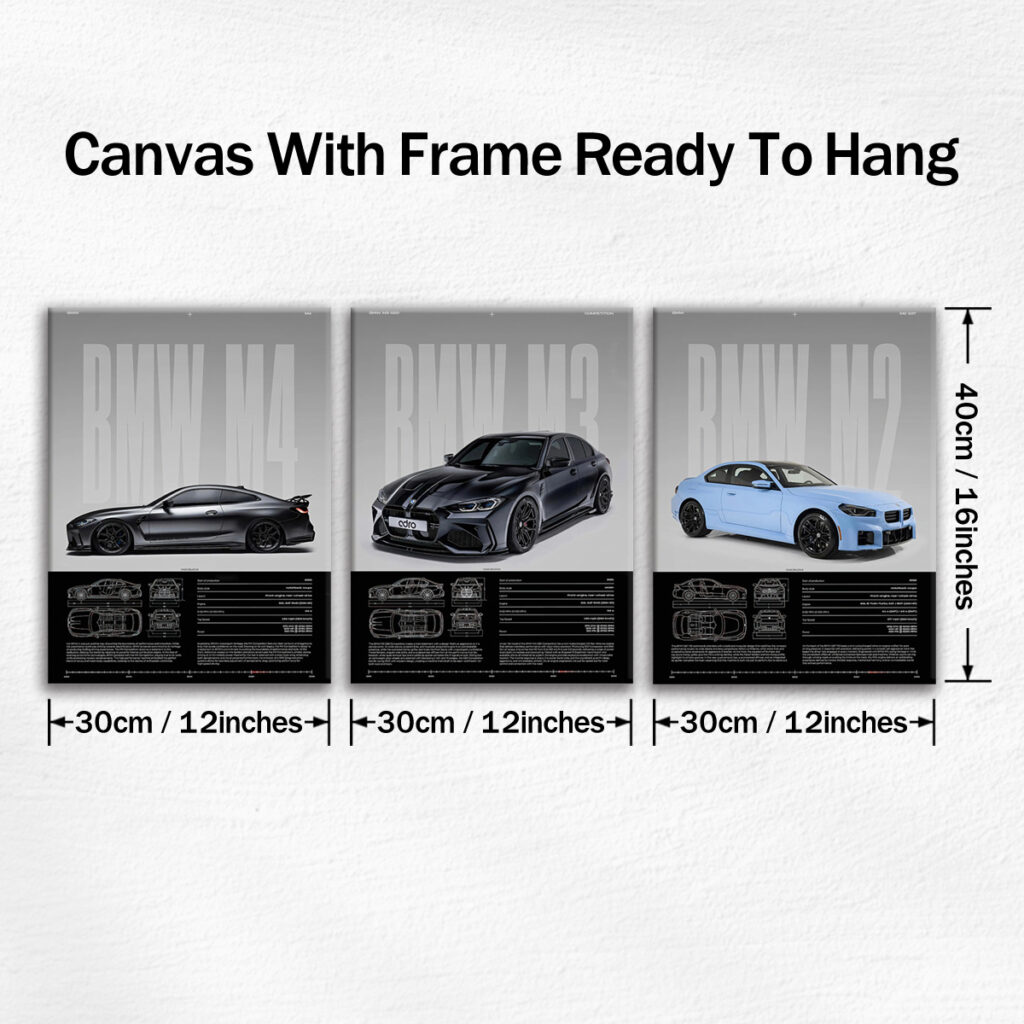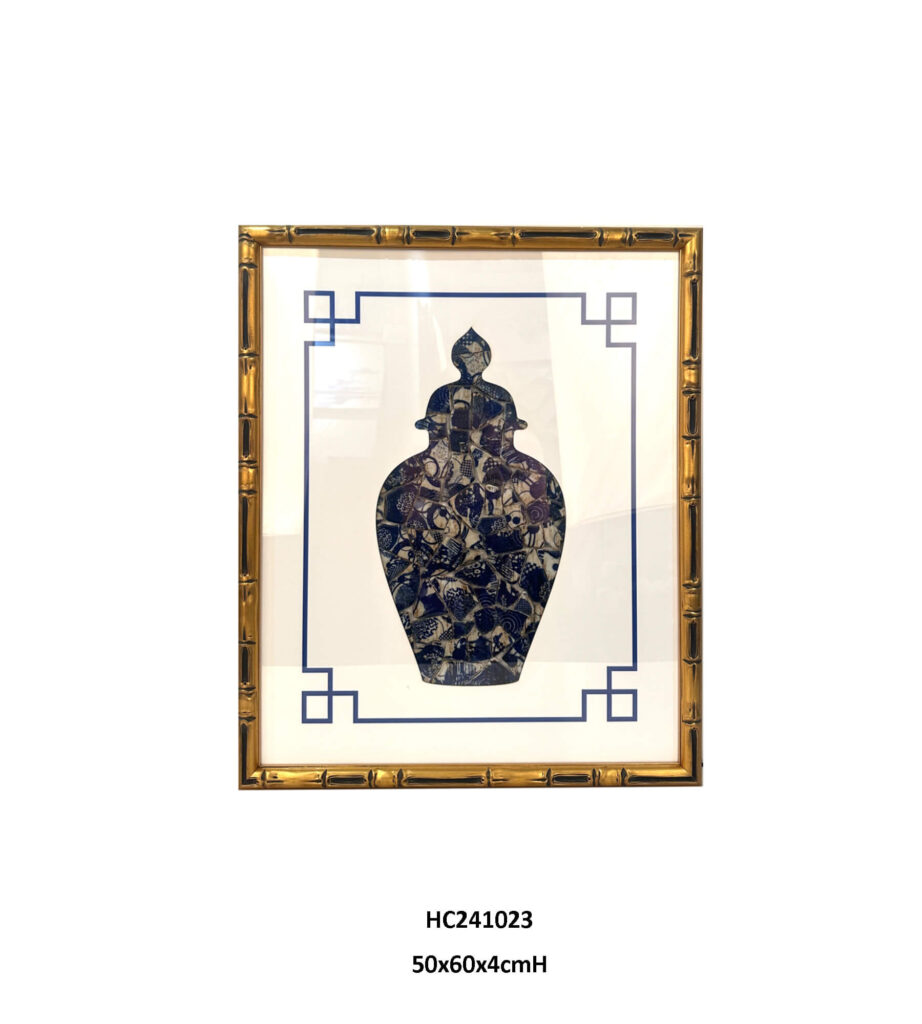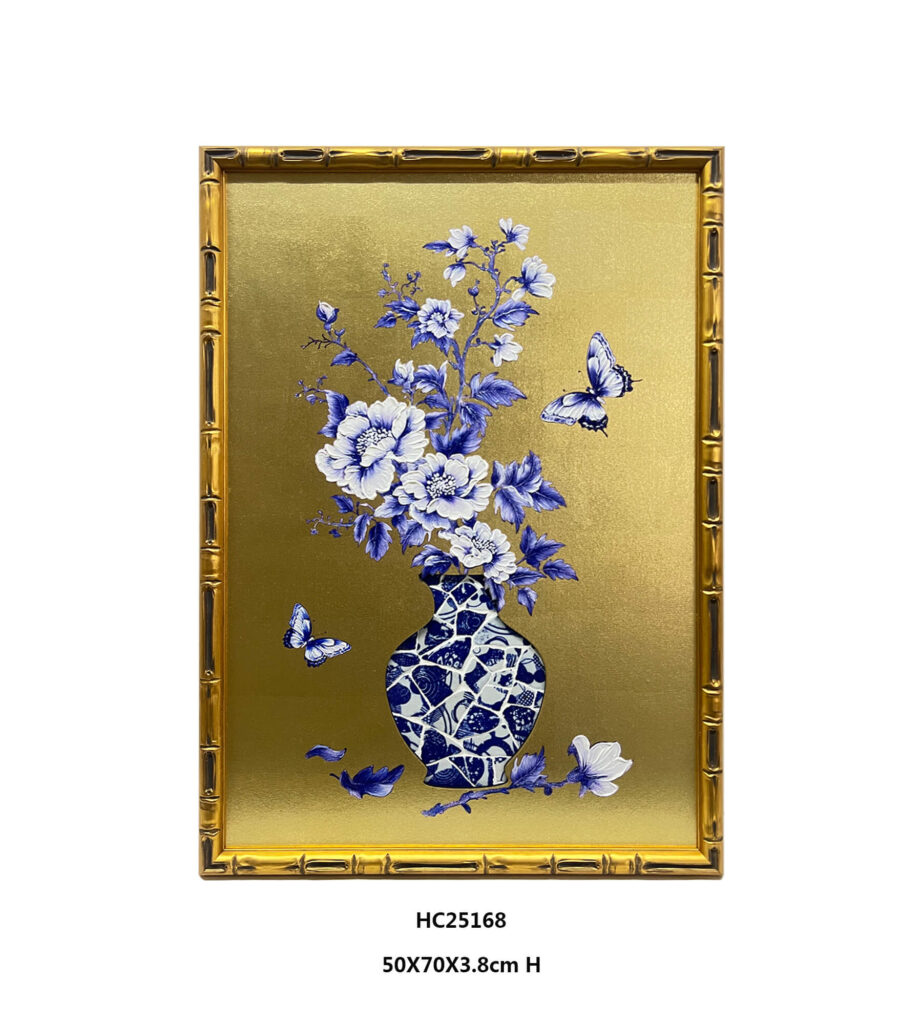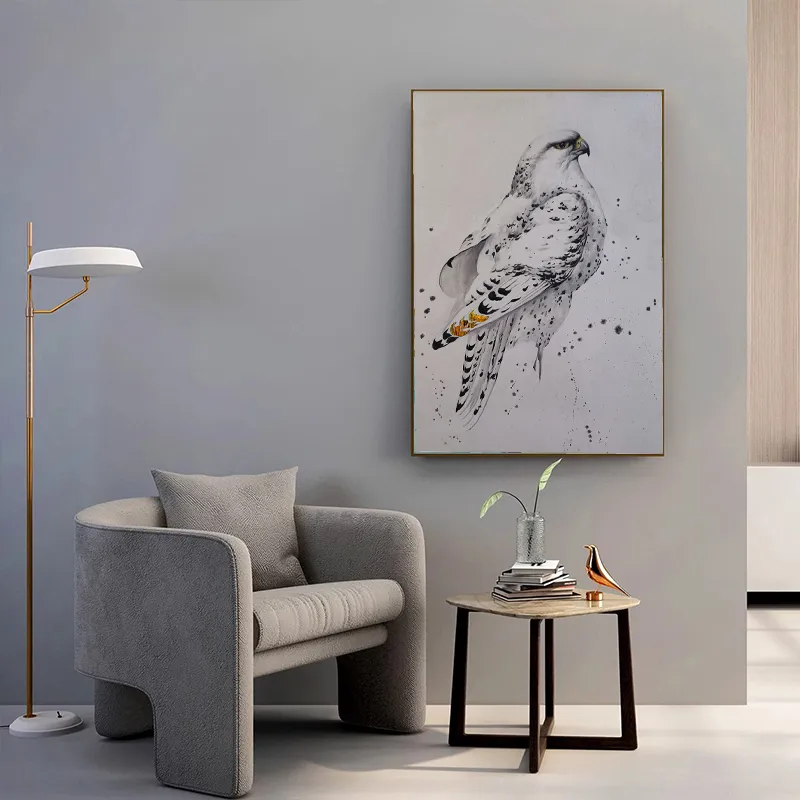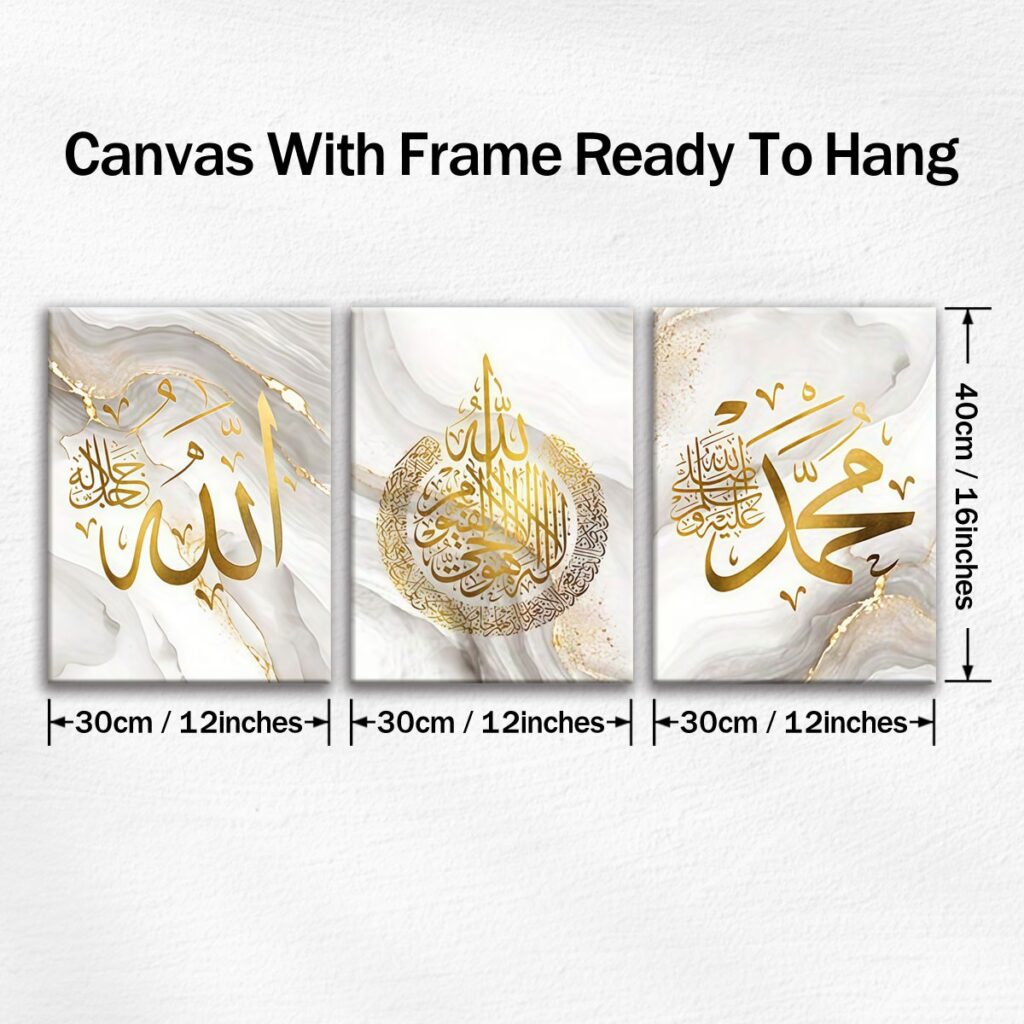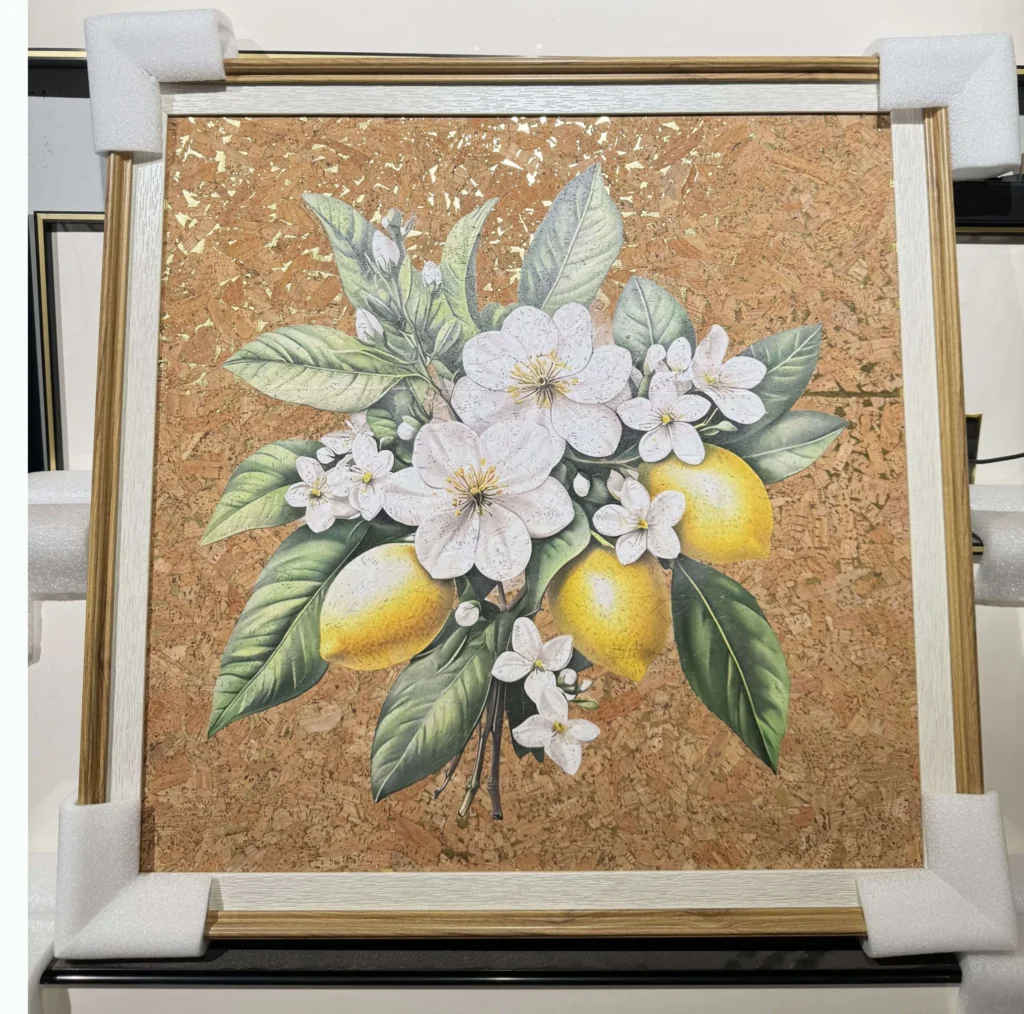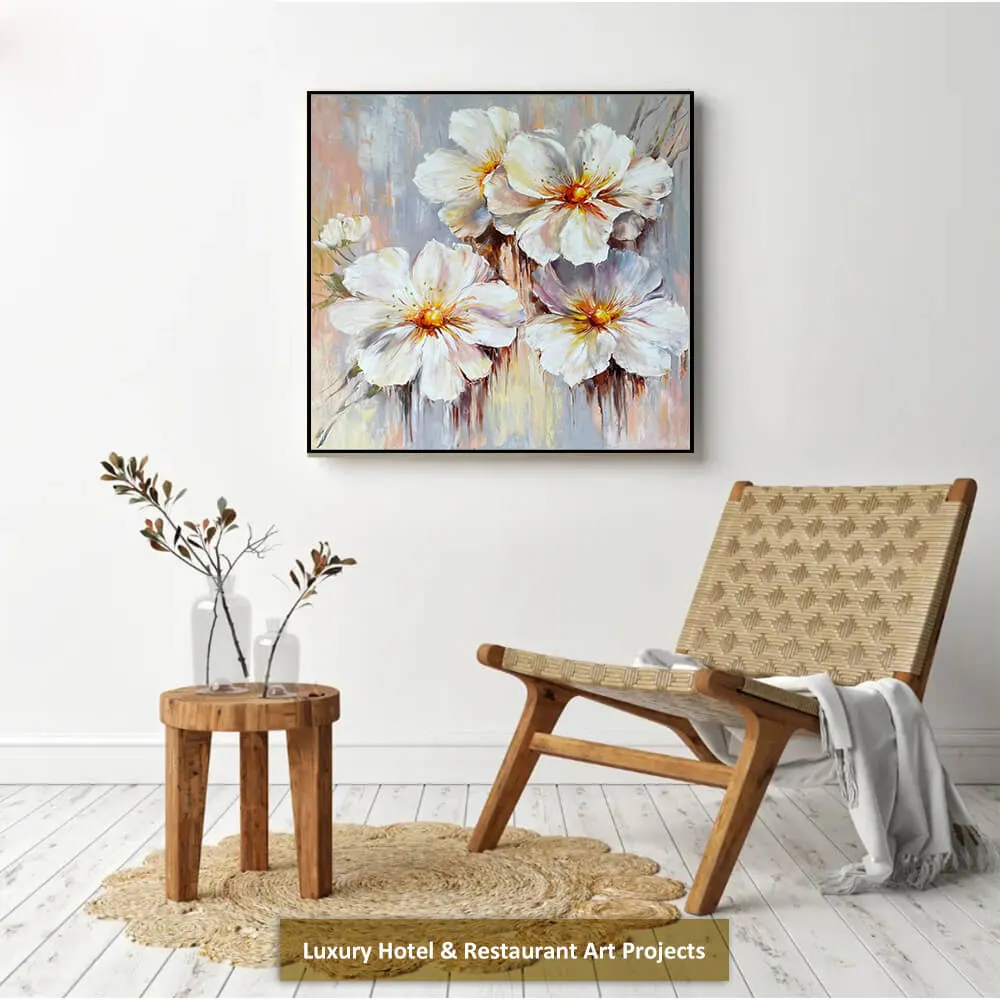
Wall art has long been a popular segment in home décor, cross-border e-commerce, and gift purchasing.
On the consumer side, consumers seek delicate colors and a sense of spatial artistry; on the purchasing side, brands and distributors heavily rely on stable production capacity, accurate color reproduction, and durable packaging.
The video “Canvas Printing Factory Producing Custom Wall Art (OEM ODM)” fully documents the operation of a modern decorative art manufacturing factory: multiple large digital inkjet printers operating at high speed, laser cutting for precise positioning, and skilled craftsmen manually stretching frames.
Creating aesthetically pleasing and durable commercial-grade frameless decorative paintings involves a highly mature system that integrates industrialization and craftsmanship.
The Complete Production Process and Material Selection Standards of a Modern Canvas Painting Factory
A qualified commercial-grade stretched canvas painting undergoes four rigorous core processes from raw material intake to packaging:
1. High-Precision Digital Printing and Material Selection
The factory is equipped with a printing matrix consisting of 10 professional-grade wide-format digital printers, using environmentally friendly water-based pigment inks or mild solvent-based environmentally friendly inks, characterized by being odorless and resistant to indoor UV rays for over 10 years without fading.
Regarding substrate selection:
Pure cotton canvas: Rich surface texture, high ink absorption, suitable for high-end art reproduction and gallery-quality works;
Polyester fiber canvas: High tensile strength, excellent cost-effectiveness, moisture-proof and wrinkle-resistant, with vibrant colors, suitable for large-scale fast-moving consumer goods.
2. Laser Positioning and Precision Cutting
Before the printed canvas is sent to the framing station, it undergoes a cutting process.
The factory can also use drop testing to check edge and corner strength. For broader transport-testing guidance, buyers can review the ISTA test procedures. ISTA describes its 3-Series protocols as simulations of drops, vibration, and other transport hazards. These measures help limit damage during sea freight and long-distance express delivery.
3. Solid Wood Inner Frame and Hand-Stretched Gallery Wrap
The inner frame is made of pine or cedar wood that has undergone high-temperature dehydration and drying, with the moisture content strictly controlled between 8% and 12% to prevent warping or deformation during transport across climate zones or in humid environments.
Workers lay the cut canvas flat and apply even tension, then manually fasten it to the back of the wooden frame using a pneumatic nail gun. Key technical indicators include an overall taut, wave-free canvas, smooth and tight corners, and meticulously aligned side edging.
4. Industrial-Grade Protective Packaging and Drop Resistance Testing
Decorative paintings are fragile and bulky items, making transportation protection paramount.
After completion, the finished product undergoes reinforcement with thickened, rigid plastic corner protectors, is fully sealed with high-transparency, moisture-proof shrink film, and finally packed into a thickened five-layer corrugated outer box that has passed a drop test to ensure that the edges and corners are not damaged during international sea freight or long-distance express delivery.
What are OEM and ODM?
When contacting decorative painting suppliers, factories usually indicate that they support OEM, ODM, or both. The core difference between the two lies in who is responsible for design and development:
OEM (Original Equipment Manufacturer):
The brand owner provides all exclusive original artwork, high-precision files, exclusive size requirements, and specific packaging designs.
The factory only acts as a manufacturing workshop, processing and producing according to the brand owner’s specifications. Under this model, the factory must strictly adhere to confidentiality agreements and may not sell the brand owner’s copyrighted artwork to third parties.
ODM (Original Design Manufacturer):
The contract manufacturer independently designs, develops, and establishes a mature product image library and framing specifications.
The factory boasts its own showrooms and style library (such as Bohemian, minimalist abstract, retro oil painting, modern geometric, etc.). Brands can directly select existing best-selling designs from the factory, affix their own brand logo or make minor packaging adjustments, and launch them directly to the market.
OEM or ODM? Which model is more suitable for your business?
OEM (Original Equipment Manufacturer) is best suited for independent artists, brands with signed illustrators, companies with their own animation/art IP, and established home furnishing brands that pursue extreme differentiation.
Under this model, all product designs and copyrights belong entirely to the brand owner, and competitors cannot legally copy your designs, resulting in extremely high market exclusivity and brand barriers.
However, correspondingly, OEM has a relatively high barrier to entry.
Brands must invest sufficient time and R&D budget upfront for artwork creation, copyright licensing, and initial prototyping and color correction. If you possess independent R&D capabilities or exclusive design resources and are committed to building a long-lasting brand moat, OEM is the only path.
ODM (Original Design Manufacturer) models are more suitable for asset-light e-commerce sellers, product selection teams that quickly follow trends, and startups.
In this model, design ownership usually belongs to the factory, and the same image may be purchased and listed by buyers in multiple different regions, resulting in relatively weak market exclusivity.
However, its advantages are significant: R&D costs are close to zero, and trial-and-error costs are extremely low.
You don’t need to hire an expensive design team; you can simply select market-proven styles from the factory’s mature existing image library for rapid production and market launch. If your strategic goal is lightweight product testing, low-cost startup, or capturing the fast-moving home furnishing market, ODM is a more cost-effective option.
Finding a reliable wall hanging supply chain: How do professional buyers screen source factories?
In the custom decorative painting industry, finding a source factory that can not only ship orders but also deliver consistently over the long term is crucial. Professional buyers and brands typically focus on the following key performance indicators when evaluating potential suppliers:
Hardware Scale and Color Consistency: An industrial-grade wide-format inkjet printing equipment matrix (such as 10 or more professional printers operating simultaneously) is fundamental to ensuring large-scale shipments and consistent color across multiple batches. Workshops lacking sufficient equipment cannot handle the surge in orders during peak seasons.
Frame Craftsmanship and Framing Details: The skill of the framing workers directly determines the lifespan of the artwork. High-quality factories must use low-moisture-content kiln-dried solid wood inner frames and employ standardized manual corner-stretching techniques to ensure the artwork remains stable and doesn’t warp over time.
Flexible Manufacturing and Minimum Order Quantity (MOQ): Excellent modern factories can handle both large OEM bulk orders and small-batch ODM trial orders, and offer customized packaging support including custom barcodes, exclusive brand cards, and outer box markings.
Consider the protection standards for cross-border transportation: Decorative paintings are fragile and bulky items. Whether a factory has standard drop test certification, thickened corner protectors, and a five-layer corrugated packaging solution directly determines the return rate and damage rate for end consumers.
As a source factory specializing in high-quality canvas decorative paintings, we rely on a complete digital printing matrix, experienced framing technicians, and a strict quality inspection and packaging system to provide stable and efficient OEM/ODM manufacturing solutions for global brands and sellers. Feel free to contact us anytime for the latest product catalog or to arrange sample making.
Frequently Asked Questions (FAQ) on Procurement and Customization
Q1: What design file specifications do brands need to provide for OEM customization?
Typically, original images with a resolution of 300 DPI or higher are required.
The color mode should ideally be set to CMYK to avoid screen color differences caused by RGB transfer. File formats are typically PSD, TIFF, or high-resolution AI/PDF. In addition, a 3-5 cm bleed area must be reserved around the edges of the image for wrapping the sides of the wooden frame.
Q2: Does the factory support small-batch mixed orders or blind dropshipping?
Most modern digital printing factories support flexible manufacturing.
For standard-sized inkjet prints, many factories support trial orders of 5-10 pieces with a low MOQ; they also support affixing customer-specific barcodes, brand cards (thank-you cards), and outer carton markings to neutral packaging, providing a fully anonymous blind dropshipping service.
Q3: How long do sampling and bulk order lead times typically take?
Digital inkjet printing does not require traditional plate making.
OEM single-piece sampling can usually be completed within 24-48 hours with actual photos for confirmation; the production cycle for bulk orders (500-2000 pieces) is generally between 7-12 working days, depending on the availability of wooden frame materials and order scheduling.
High-standard hardware ensures rich and stable colors, while meticulous hand-mounting gives the decorative paintings a taut and upright texture. Clearly defining your brand positioning, choosing the right OEM or ODM partnership, and finding a source partner with flexible delivery capabilities are key to building a sustainable and competitive decorative painting business. We welcome your size requirements or image library list to discuss sample production and scheduling plans.