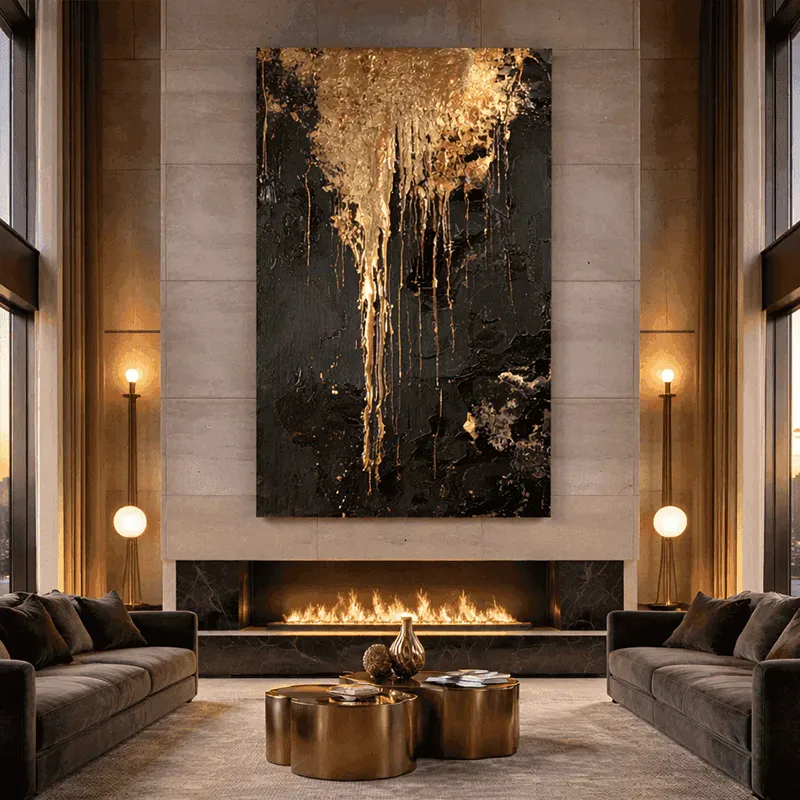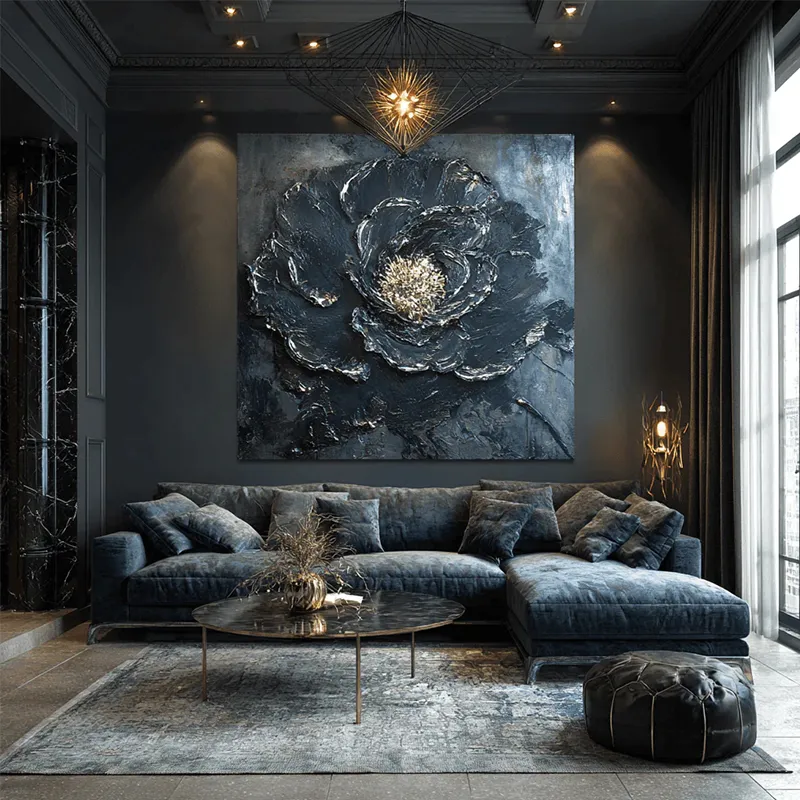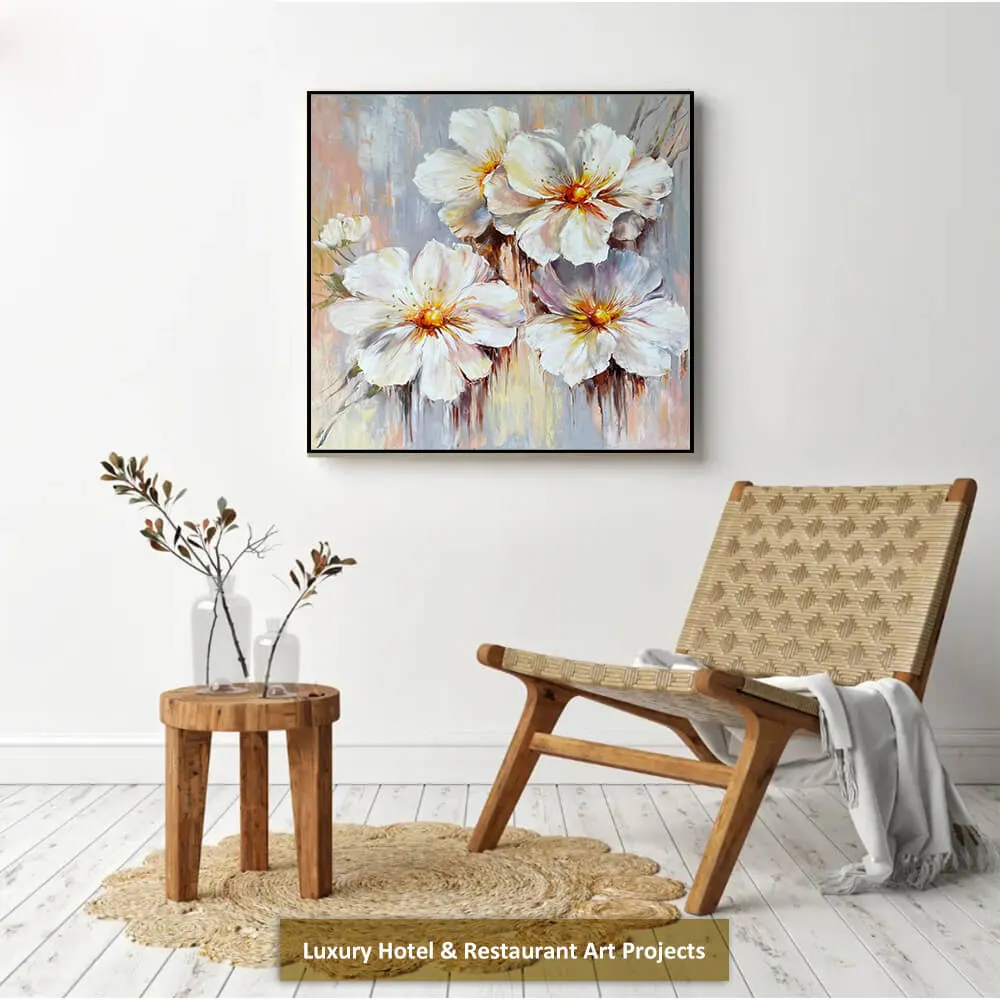
Flexible interiors require furniture that can change function without making the room feel temporary. In micro-apartments, hybrid work lounges, guest rooms, and serviced apartments, a sofa bed may shift from a daytime seating area to a full sleeping zone within minutes.
That change also changes the wall behind it. Choosing art above sofa bed furniture requires more than following a fixed eye-level rule. The artwork must remain proportionate when the sofa is closed, clear the mattress and pillows when it is open, and stay secure when people move around it.
Planning Wall Art Around Convertible Furniture
Successful planning begins with the fully open position of the sofa bed. Measure the furniture in both its seating and sleeping states before selecting the artwork, frame, hardware, and lighting.
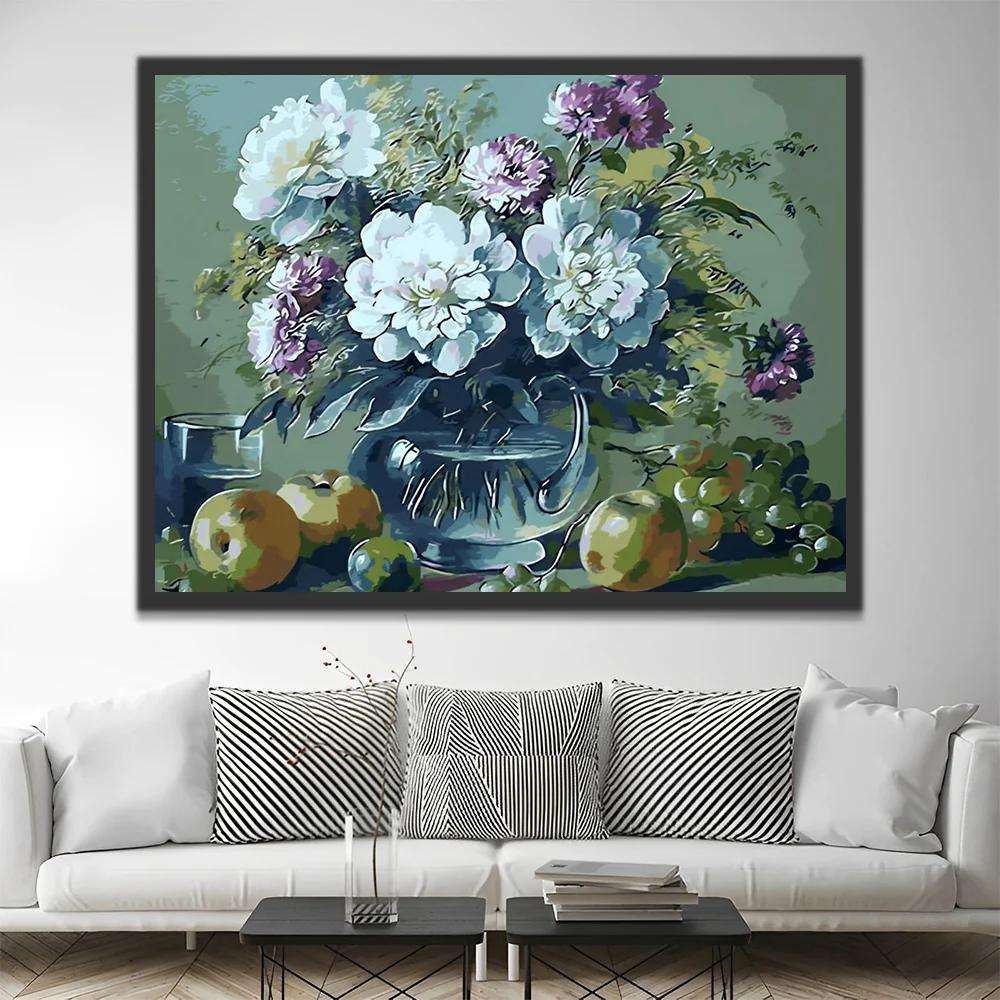
Dynamic Clearance Between Sitting and Sleeping Positions
In a conventional living room, designers often place artwork so its center sits approximately 57 to 60 inches from the finished floor. Artwork may also hang 8 to 10 inches above the back of a sofa.
However, these measurements only apply to static furniture. A convertible sofa introduces a second position that changes the required clearance.
The Open Bed as the Controlling Position
When the sofa bed opens, calculate the artwork’s bottom edge from the highest point of the mattress and pillow area. The daytime sofa clearance should remain a secondary check.
A person sitting upright with pillows may occupy approximately 36 to 40 inches above the mattress surface, depending on the bed design and sleeping posture. Therefore, the wall art should not interfere with normal movement or contact the user’s head, shoulders, or pillows.
For many layouts, a 16 to 20 inch clearance, or approximately 40 to 50 cm, above the highest mattress or pillow line provides a conservative planning starting point. This measurement is not a universal building-code requirement. Always confirm the final clearance against the sofa-bed manufacturer’s specifications and the requirements of the installation site.
Limiting the Projection Profile
Avoid artwork with deep projections, sharp edges, or fragile three-dimensional elements in the active sleeping area. Heavy shadowboxes, thick decorative mouldings, and rigid sculptures can become hazardous if pillows or moving users come into contact with them.
Slim gallery-wrapped canvas usually creates a safer profile than heavily projecting wall decor. If a framed work is required, select a shallow frame and verify that the entire piece remains outside the sleeping clearance zone.
Proportion for a Changing Furniture Footprint
The artwork should relate to the width of the sofa during the daytime, but the open bed also affects the room’s visual balance. A narrow vertical portrait may look appropriate above a closed loveseat yet appear visually weak when the sofa bed extends into a larger horizontal sleeping area.
As a starting point, the total width of the artwork or arrangement should measure approximately 60% to 75% of the furniture width. For example, a 60-inch sofa may work well with an artwork arrangement between 36 and 45 inches wide.
For multi-panel artwork, measure the complete composition, including the spaces between the panels. Do not calculate the ratio from one panel alone.
Elongated Horizontal Panoramic Artwork
A single landscape-oriented canvas can create visual continuity in a studio apartment or compact guest room. Formats such as 48 × 24 inches or 60 × 30 inches establish a wider sightline and help the wall feel more connected to the expanded sofa bed.
Horizontal artwork also works well when the sleeping position occupies more floor space than the daytime seating position. The artwork remains visually stable while the furniture changes function.
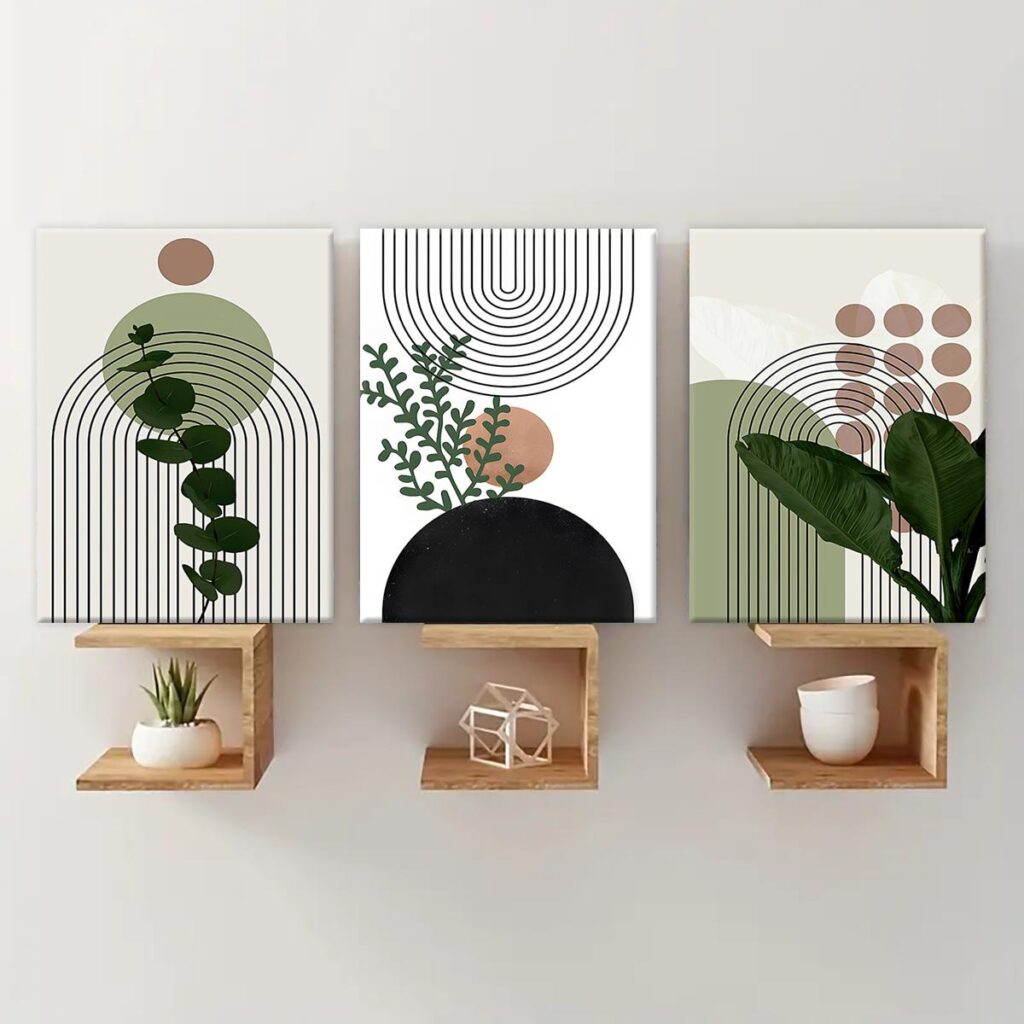
Modular Triptych Artwork
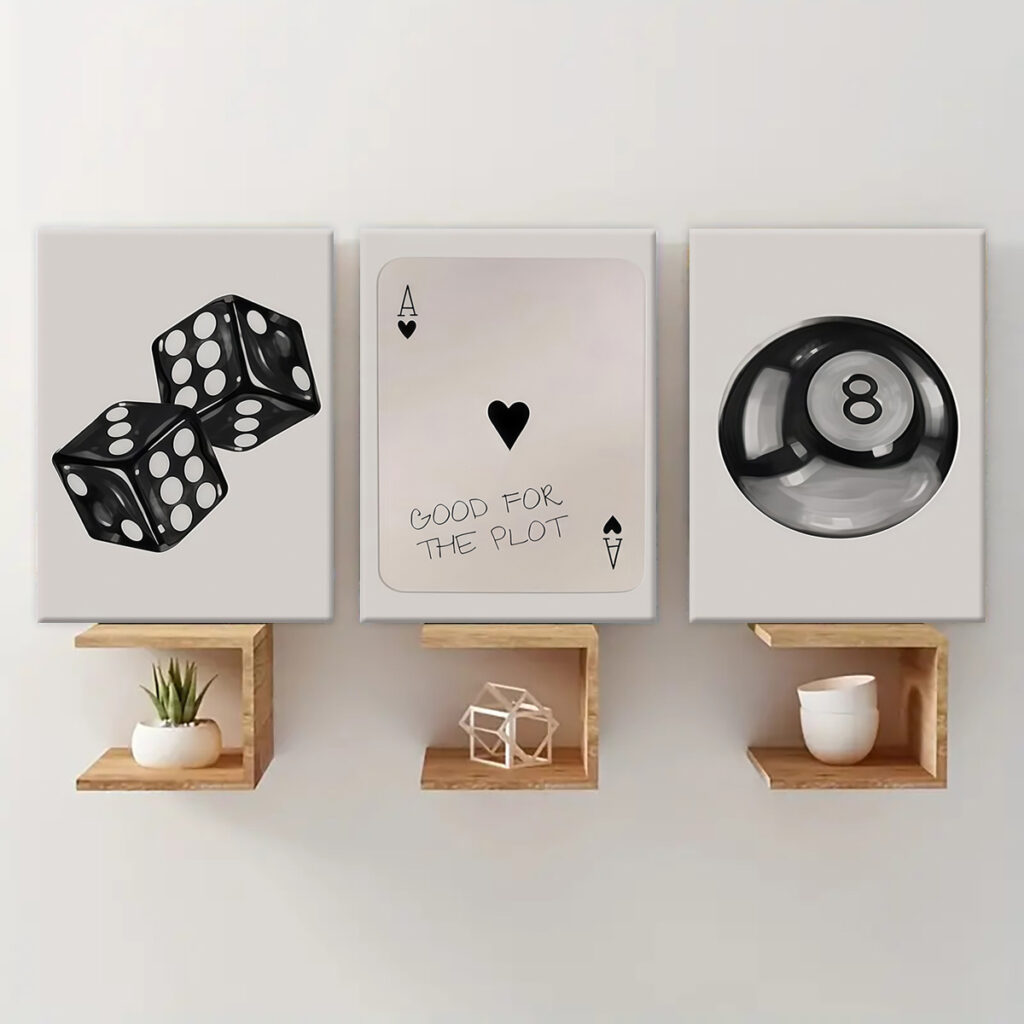
A three-piece composition can distribute visual weight across a wider wall without creating one heavy block. Leave approximately 2 to 3 inches, or 5 to 8 cm, between panels to create rhythm and maintain a sense of openness.
A triptych may suit a queen-size sofa bed, a serviced apartment, or a hospitality suite where the furniture must support several room layouts. Use coordinated colours, framing, or subject matter to create unity across the full arrangement.
Acoustic Considerations in High-Density Rooms
Multifunctional rooms often contain hard flooring, mirrors, sliding doors, metal furniture, and compact mechanical components. These surfaces can increase reverberation in a small space.
A gallery-wrapped canvas may help soften reflected sound slightly compared with a large glass-covered frame. However, decorative artwork should not replace engineered acoustic panels where a project requires measurable sound control.
Material selection must also account for the complete installed weight. The Canadian Conservation Institute’s guidelines for displaying paintings recommend selecting hanging devices that can support the combined weight of the artwork, frame, and glazing. For exceptionally heavy paintings, the guidelines describe cleat systems that distribute the load across the width of the frame.
Secure Hardware for Active Living Areas
A standard single-nail picture hook or loosely installed hanging wire may not provide enough stability above a convertible sofa bed. Regular movement, folding mechanisms, cushions, and accidental contact can gradually tilt or dislodge poorly secured artwork.
French Cleats and Z-Bar Systems
A French cleat or Z-bar system distributes weight across a wider section of the artwork. The wall component should connect to studs or suitable load-rated anchors, while the frame component must attach securely to the strongest part of the frame.
This system works particularly well for large canvas paintings and heavy framed artwork. It also helps prevent the piece from shifting when the sofa bed opens and closes.
Two-Point Mounting
For smaller or medium-sized pieces, use two load-rated D-rings or another suitable two-point hanging system. Direct two-point mounting can provide better stability than relying on one central hanging point.
If picture wire is used, select a wire rated for the complete weight of the artwork and frame. Above a sleeping area, avoid depending on an unrated wire or a single central hook.
Security Retainers for Commercial Projects
Hotels, serviced apartments, rental properties, and short-term accommodation may require additional security. A bottom retainer, security screw, or other anti-lift device can reduce accidental movement and make unauthorised removal more difficult.
The selected retainer must match the frame construction. Do not drill into a shallow or fragile frame without confirming the available depth and load capacity.
Glazing and Wall Compatibility
If the design requires a framed print, acrylic glazing can reduce the risk of dangerous glass breakage. Nevertheless, acrylic still contributes to the total weight, so the hardware must support the complete assembly.
The wall type also determines the correct fixing method. Drywall, hollow block, brick, plaster, and poured concrete require different anchors or plugs. For large artwork, identify stud locations or consult a qualified installer before drilling.
For oversized artwork, review the complete handling plan before delivery. Our guide to shipping oversized wall art covers protection and handling considerations that can help the artwork arrive safely and remain ready for installation.
Lighting for Day-to-Night Use
Convertible rooms need lighting that works in both seating and sleeping positions. A picture light that looks attractive above a sofa may create glare for someone lying below it.
Avoid Direct Glare
Low-mounted picture lights placed directly above the artwork can shine into the eyes of a person reclining on the mattress. Test the light from both standing and lying positions before finalising the installation.
Use Adjustable Wall-Washing Light
Dimmable ceiling lights or recessed wall washers can illuminate the artwork more evenly. A beam angle of approximately 30 degrees may provide a useful starting point, but the final position depends on ceiling height, artwork depth, and room layout.
Low-heat LED fixtures are generally easier to control in compact spaces. They also allow the room to shift from bright daytime use to a softer evening atmosphere.
Select Controlled Surface Finishes
Matte, satin, or lightly textured artwork surfaces usually create less glare than high-gloss finishes. Glossy resin or reflective glazing may produce strong reflections from bedside lamps, televisions, or windows.
Before completing the project, test the artwork under daylight, reading light, and evening ambient lighting. The best result should remain comfortable in every planned furniture position.
Residential and Commercial Specification Checklist
Before ordering or installing art above a sofa bed, confirm the following details:
- Closed sofa width and height
- Fully open bed length and mattress height
- Highest pillow and head position
- Required clearance below the artwork
- Total artwork weight, including the frame and glazing
- Artwork depth and wall projection
- Wall construction and stud locations
- Hardware type and load rating
- Lighting direction and potential glare
- Access requirements for cleaning and maintenance
For commercial projects, include these measurements in the design or installation documentation. Interior designers, contractors, hotel operators, and procurement teams can then review the artwork together with the furniture plan instead of treating it as a separate decorative decision.
Harmonising Function and Form
Flexible furniture does not require a compromise between safety and artistic expression. By measuring both furniture positions, selecting the artwork according to the complete wall composition, and using suitable hardware, you can create a space that feels intentional in both seating and sleeping modes.
Gallery-wrapped canvas, textile artwork, and carefully specified framed pieces can all work well when their weight, projection, clearance, and maintenance requirements match the room. The final installation should always follow the sofa-bed manufacturer’s instructions, hardware load ratings, local requirements, and the advice of a qualified installer when necessary.
Custom Wall Art for Flexible Spaces
Wallartura manufactures custom-sized oil paintings, gallery-wrapped canvas artwork, and durable wall art for residential interiors, serviced apartments, hotels, and commercial projects.
Explore our custom wall art solutions and contact our wall art factory to discuss artwork sizes, materials, framing, and project requirements.