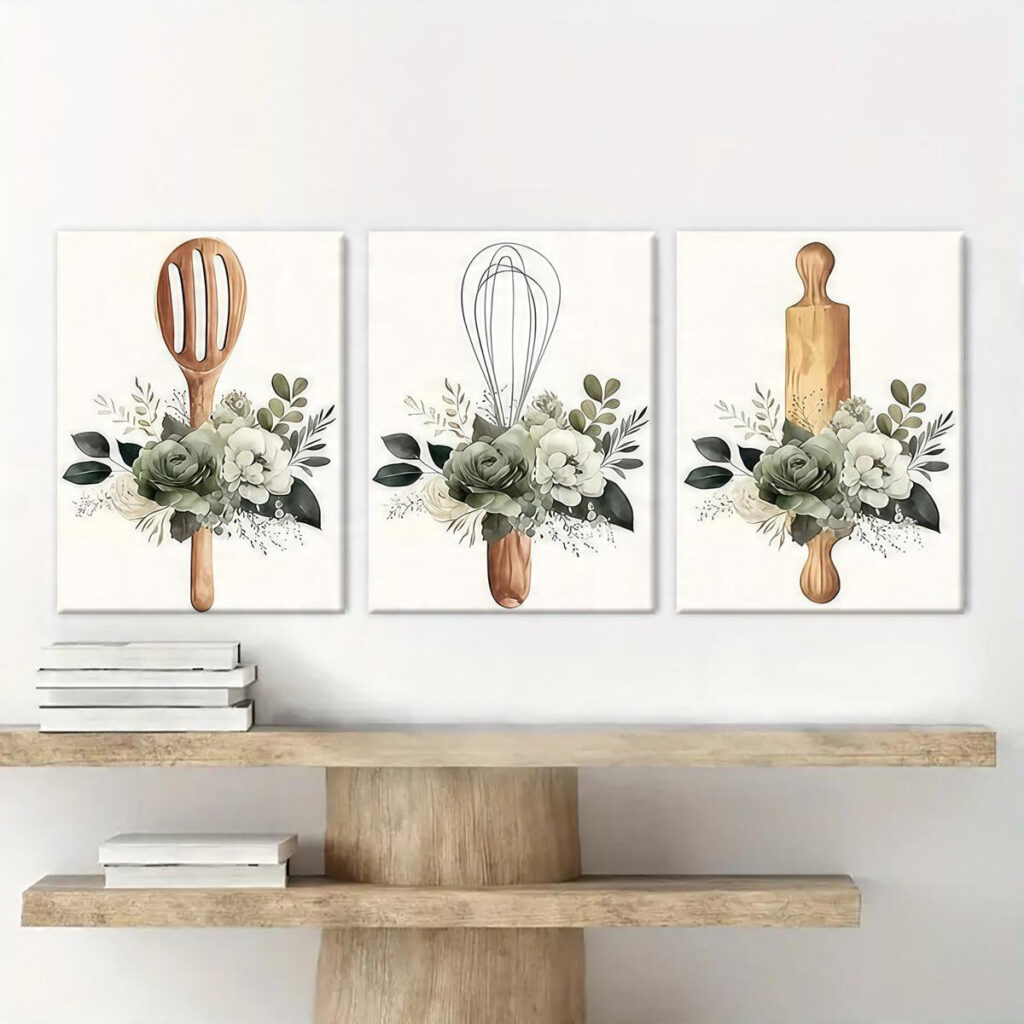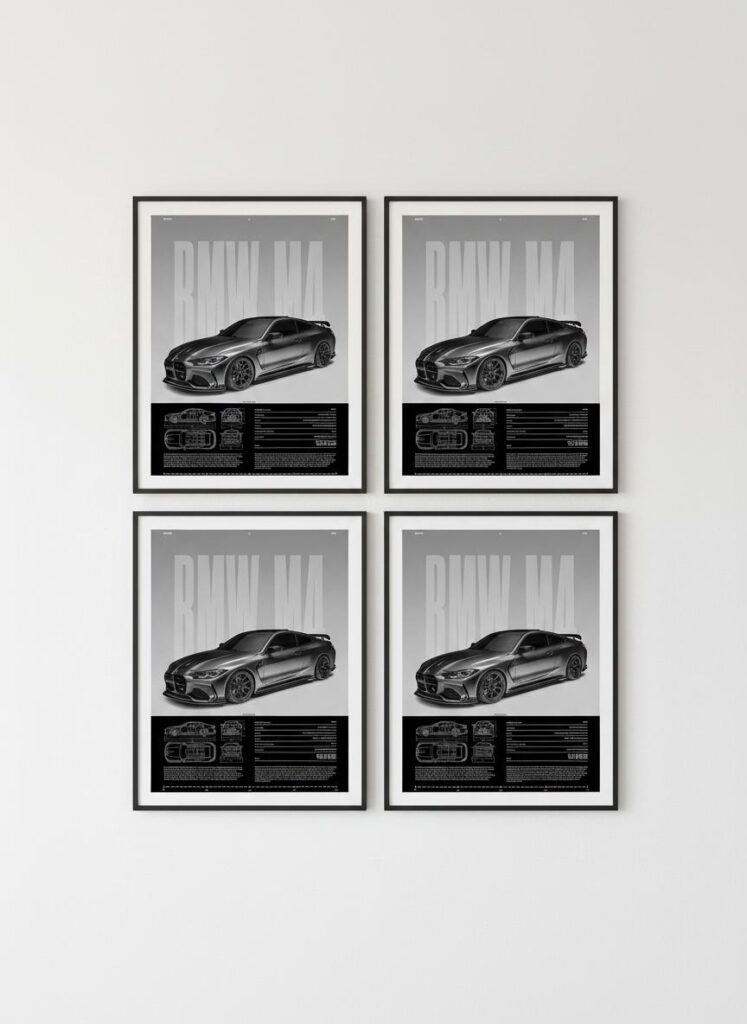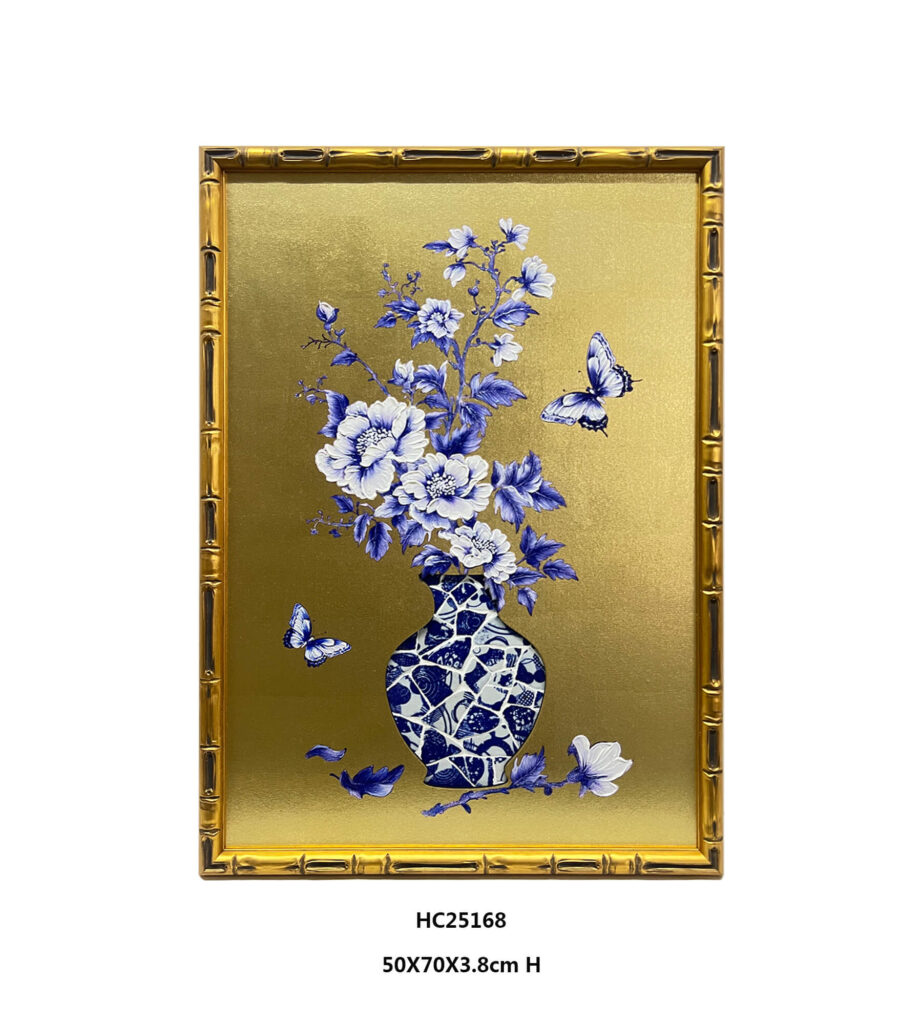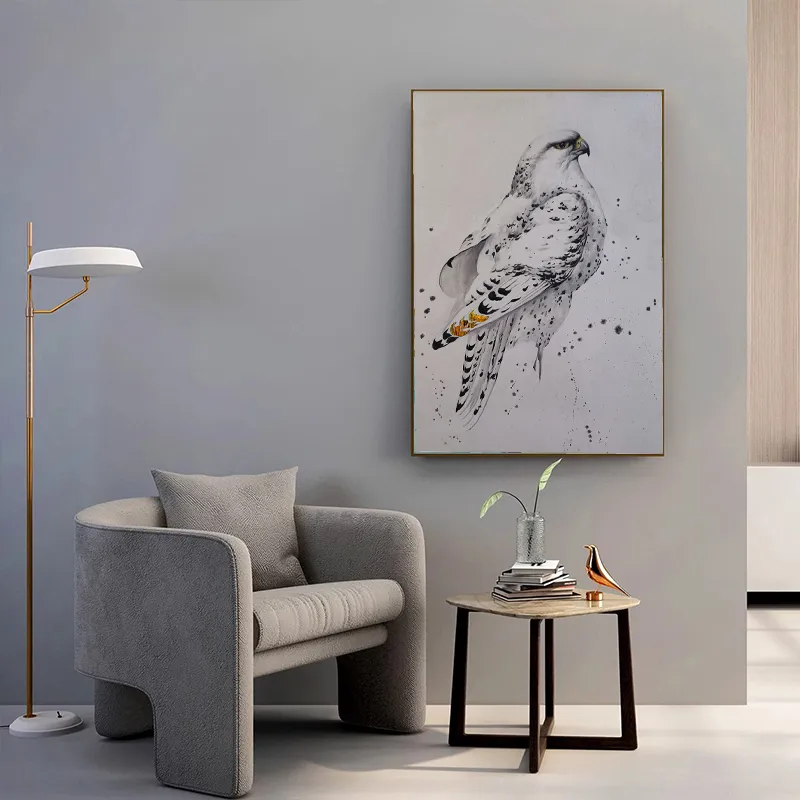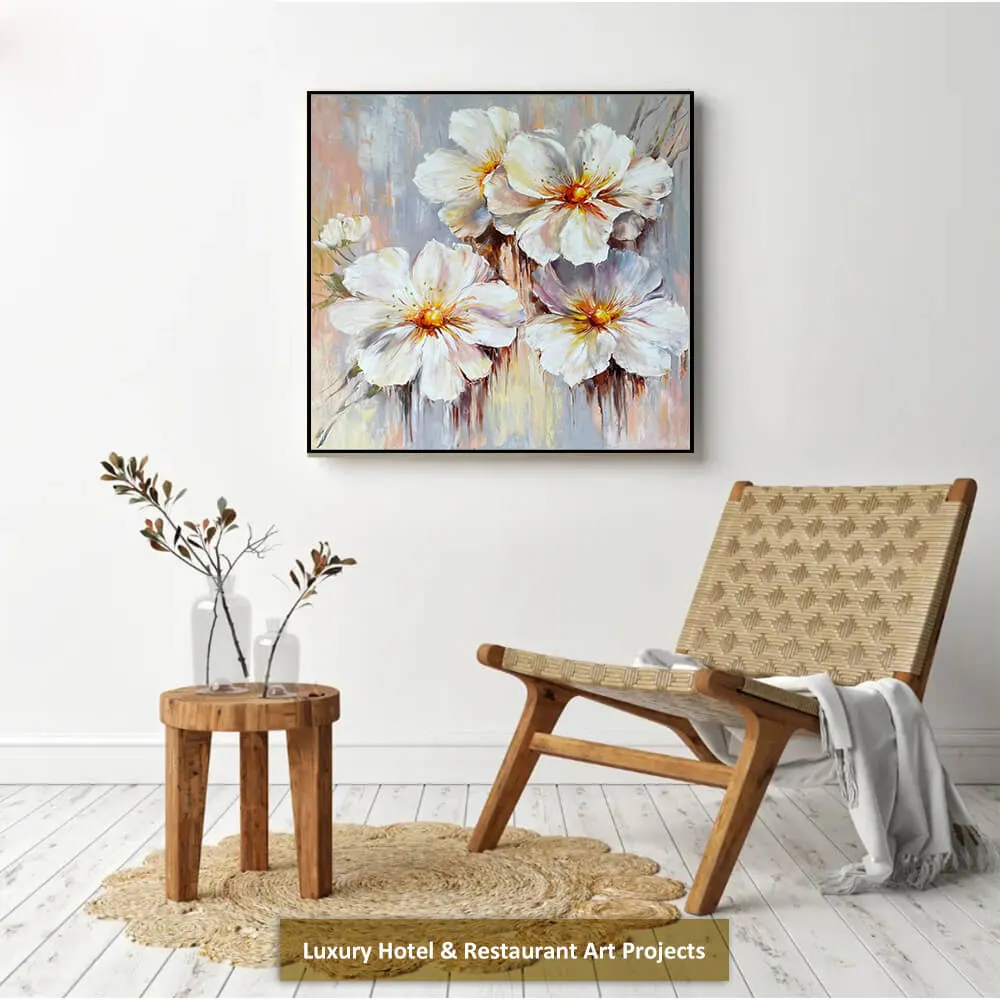
Bathrooms are often designed around practical elements such as tiles, mirrors, vanities and storage, leaving the walls as an afterthought. Yet carefully selected bathroom wall art can completely change how the room feels. A calming abstract composition can create a spa-like atmosphere, botanical artwork can introduce a natural touch, while playful prints can give a powder room more personality. The key is choosing artwork that works with the size, color scheme and conditions of the space. From compact guest bathrooms to spacious primary suites, the right wall decor can make even a functional room feel more intentional and complete.
Choosing Bathroom Wall Art for a Stylish and Balanced Space
Bathroom wall art should complement the room rather than compete with its strongest visual elements. Before selecting a design, look at your tile color, vanity finish, mirror shape, lighting and available wall space. These details can help determine whether the bathroom needs a subtle decorative accent or a larger statement piece.
The atmosphere you want to create is equally important. Soft botanical artwork, ocean-inspired imagery and neutral abstract designs can reinforce a calm spa aesthetic. Black-and-white photography may work beautifully in a modern bathroom, while colorful or humorous artwork can give a guest bathroom a more relaxed personality. Instead of decorating every available wall, focus on one or two locations where the artwork will make the greatest visual difference.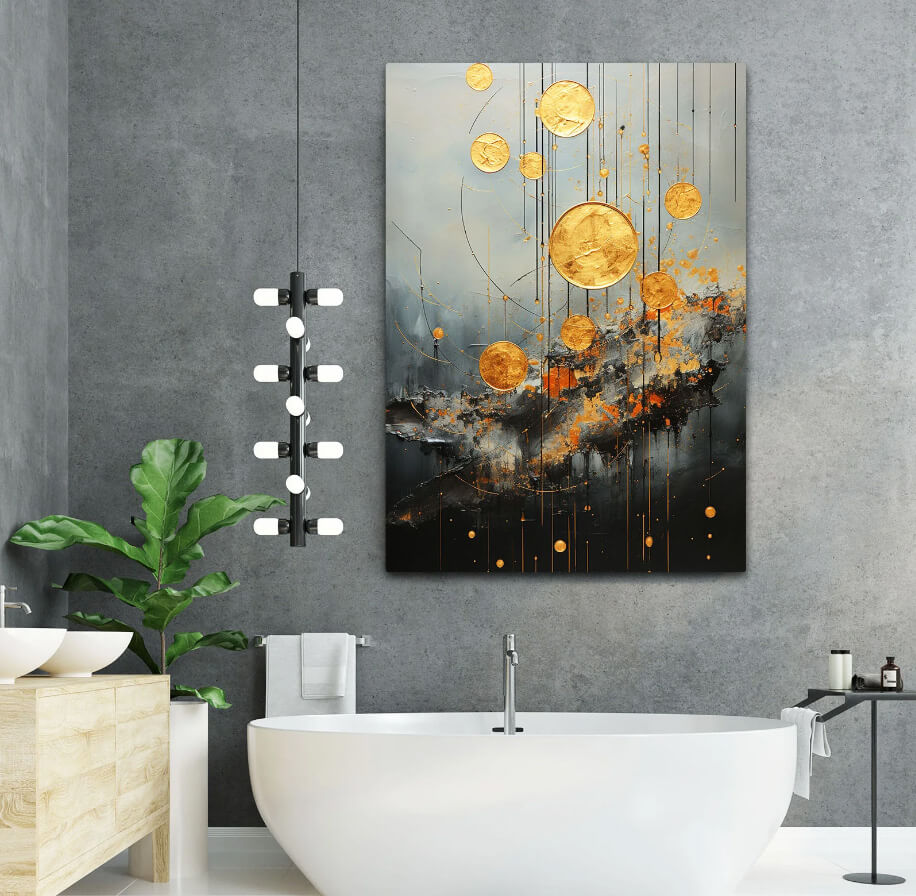
Match Bathroom Wall Art to Your Interior Style
The easiest way to begin is by identifying the overall style of the bathroom.
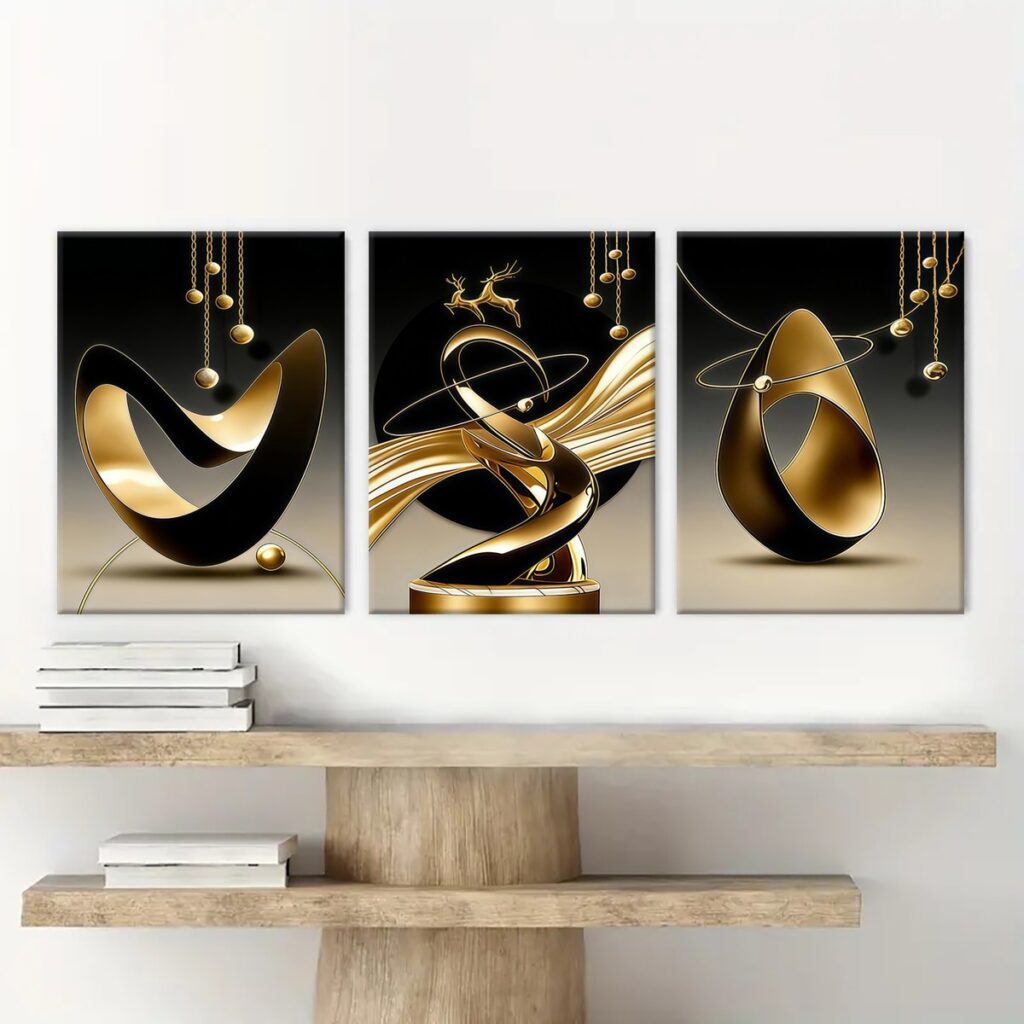
Modern bathroom wall art often features abstract shapes, architectural photography, minimalist line work and restrained color palettes. Black, white, beige and gray artwork works especially well with contemporary vanities, stone surfaces and clean geometric fixtures.
For a spa-inspired bathroom, consider botanical prints, landscapes, soft abstract compositions and designs influenced by water or natural textures. Shades of green, blue, cream and warm neutrals can help create a peaceful environment.
Coastal bathrooms naturally suit ocean photography, abstract waves, shells and soft blue artwork. Farmhouse bathrooms can work well with botanical illustrations, rustic landscapes and vintage-inspired prints.
A powder room gives you more freedom. Because it is usually smaller and used for shorter periods, bold colors, humorous artwork or unexpected subjects can create a memorable focal point without overwhelming the rest of the home.
Choose the Right Size for Your Bathroom
Scale is just as important in the bathroom as it is in a living room or bedroom.
Small artwork can work beautifully beside a mirror, above a towel rail or over a toilet. However, placing a very small picture alone on a large empty wall can make the space feel unfinished.
For a narrow wall, vertical artwork usually creates better proportions. Horizontal compositions work well above wider features such as freestanding bathtubs, double vanities or storage cabinets.
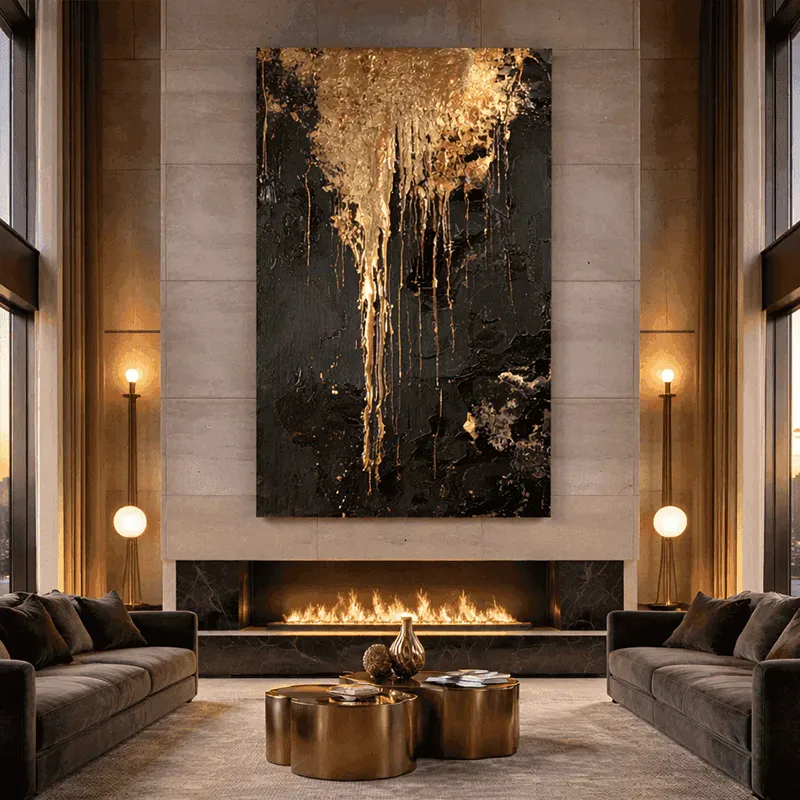
Large bathroom wall art can be particularly effective in spacious primary bathrooms. A single oversized abstract or nature-inspired piece creates a stronger statement than several small pieces scattered around the room.
Before purchasing artwork, measure the available wall and use painter’s tape to outline the approximate dimensions. This simple step makes it much easier to judge whether the artwork will feel balanced in the actual space.
Find the Best Places to Hang Bathroom Wall Art
Placement can determine whether bathroom artwork feels intentional or random.
The wall above the toilet is one of the most common locations because it is usually underused. A single vertical artwork, a pair of coordinated prints or a compact gallery arrangement can work well here.
Artwork above a freestanding bathtub can create a luxurious focal point, particularly in a larger bathroom. However, the piece should be positioned away from direct splashing and excessive moisture.
The wall beside a vanity is another useful location. A narrow artwork can balance a large mirror without making the vanity area feel crowded.
You can also consider the wall opposite the bathroom entrance. Artwork placed here becomes visible immediately when someone enters the room, making it an ideal location for a stronger statement piece.
Consider Humidity and Moisture
Unlike living rooms and bedrooms, bathrooms experience frequent changes in humidity. This makes material and placement important practical considerations.
Avoid placing valuable or highly moisture-sensitive artwork where it can receive direct water splashes. Areas immediately beside an open shower or close to a sink usually require more caution than walls farther away from water sources.
Framed prints with protective glazing, properly finished canvas art and more moisture-resistant decorative materials can be practical choices for well-ventilated bathrooms. Good ventilation also helps reduce the amount of moisture that remains in the room after bathing.
If you own an irreplaceable original painting, antique work or delicate paper artwork, another room may be a safer location. Bathroom decor is usually better suited to artwork that combines visual appeal with practical durability.
Decorate a Small Bathroom Without Making It Feel Crowded
A small bathroom does not necessarily require tiny artwork.
In fact, one carefully selected medium-sized piece can create a cleaner appearance than several small decorations. Too many frames, shelves and accessories can make a compact bathroom feel visually busy.
Minimalist artwork works particularly well in small spaces. Simple line art, botanical illustrations, soft landscapes and abstract compositions can add personality without demanding too much attention.
Another strategy is to coordinate the artwork with one existing color in the room. For example, artwork containing subtle green details can connect naturally with sage towels or accessories while maintaining an uncluttered overall appearance.
Vertical artwork can also make narrow walls appear taller, particularly in bathrooms with limited floor space.
Create Impact in a Large Bathroom
Large bathrooms provide more opportunities for dramatic wall decor.
A wide wall above a bathtub can support an oversized canvas or horizontal artwork. Double vanities may work well with a pair of coordinated pieces, while an empty feature wall can accommodate a triptych or larger statement design.
In these spaces, abstract bathroom wall art can be especially effective because large areas of color and texture are visible from across the room.
Large artwork also helps connect different elements of the bathroom. Colors from the artwork can repeat tones found in stone, cabinetry, towels, hardware or decorative accessories, creating a more cohesive interior.
Coordinate Colors Without Matching Everything
Bathroom artwork does not need to copy the exact colors of your tiles or walls.
Instead, choose one or two tones that already exist in the room and combine them with complementary accents.
A white bathroom with black fixtures could use monochrome photography or abstract art with warm beige details. A bathroom with natural wood cabinetry could incorporate botanical greens, earthy neutrals or soft blue artwork.
For a calm interior, use similar color temperatures throughout the space. For something more energetic, allow the artwork to introduce a contrasting accent color.
This approach makes the room feel coordinated without appearing overly designed.
Explore Different Types of Bathroom Artwork
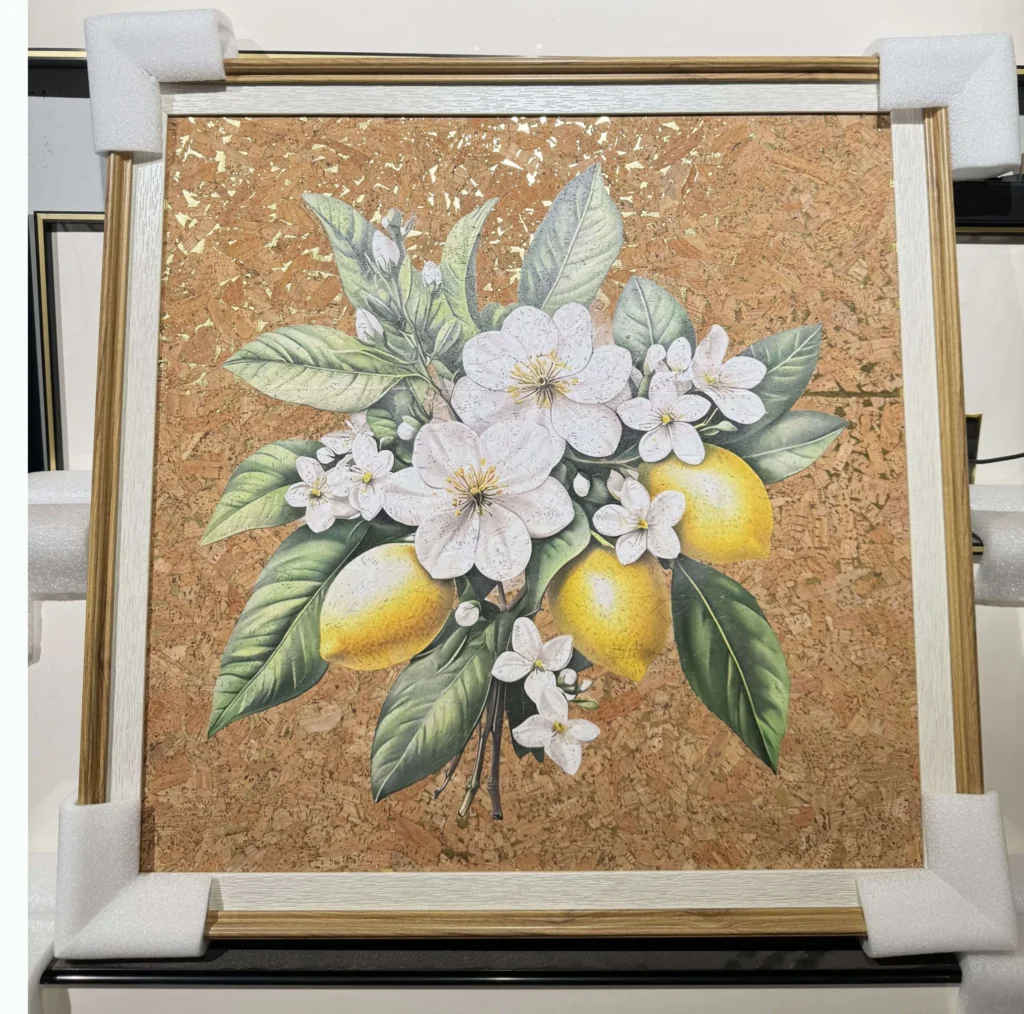
Canvas prints remain popular because they work with many decorating styles. Framed prints create a more structured appearance and are especially suitable for photography, illustrations and minimalist designs.
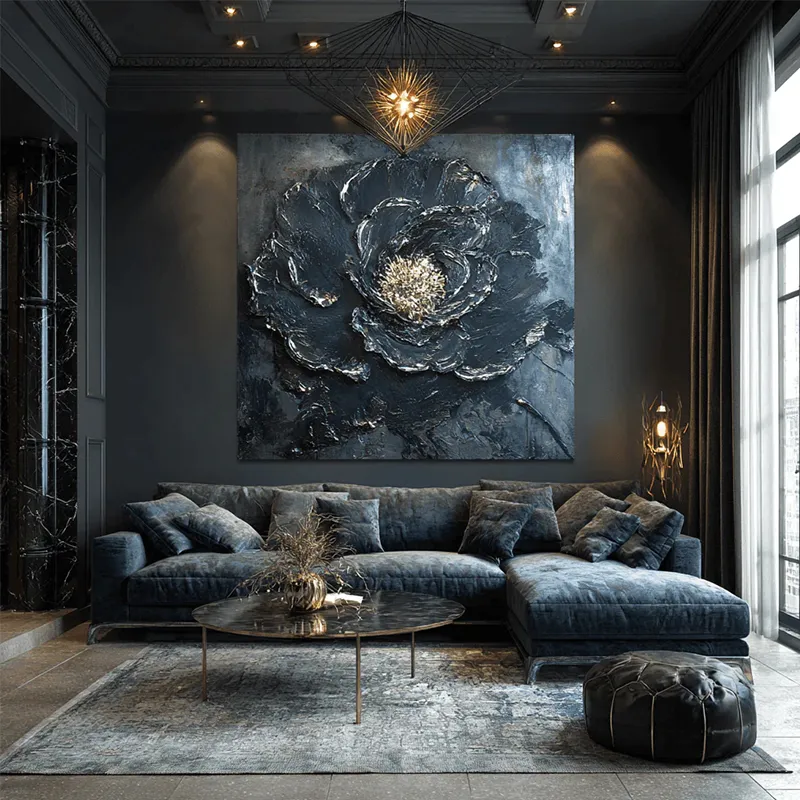
Metal wall art can introduce dimension and contemporary character, while decorative wooden artwork brings warmer natural texture into the room. Textured resin artwork can also create an eye-catching focal point in modern interiors.
Sets of two or three coordinated pieces are useful when decorating wider walls because they provide visual balance while maintaining consistency.
Custom artwork offers another option when standard dimensions or colors do not fit the room. Adjusting the size, palette, material or composition can help artwork work naturally with a specific bathroom design.
Final Thoughts
The best bathroom wall art combines visual appeal with thoughtful placement and suitable materials. Start by considering the available wall space, interior style and overall atmosphere you want to create. Then choose artwork that complements the room’s colors without simply matching every surface.
Modern abstract art, botanical prints, coastal designs, framed photography, canvas artwork and dimensional wall decor can all transform a bathroom when used in the right proportions.
Whether you are decorating a small guest bathroom or a spacious primary suite, artwork can turn an overlooked wall into an important part of the interior. A well-chosen piece adds color, personality and visual balance while helping the bathroom feel more comfortable, polished and complete.