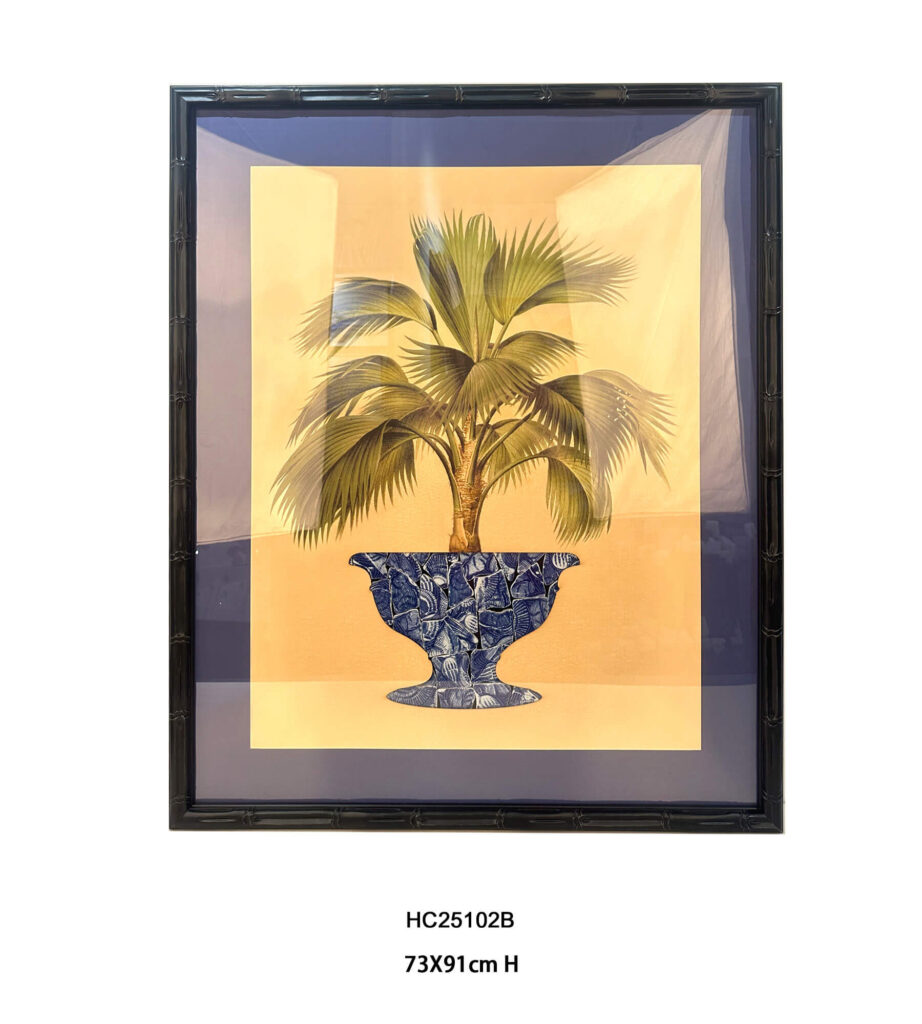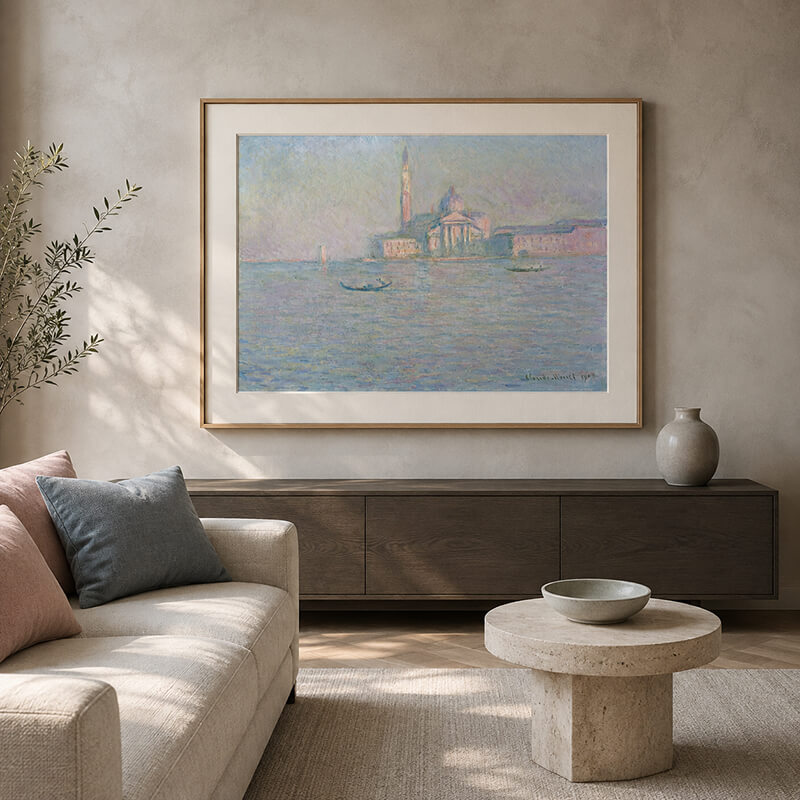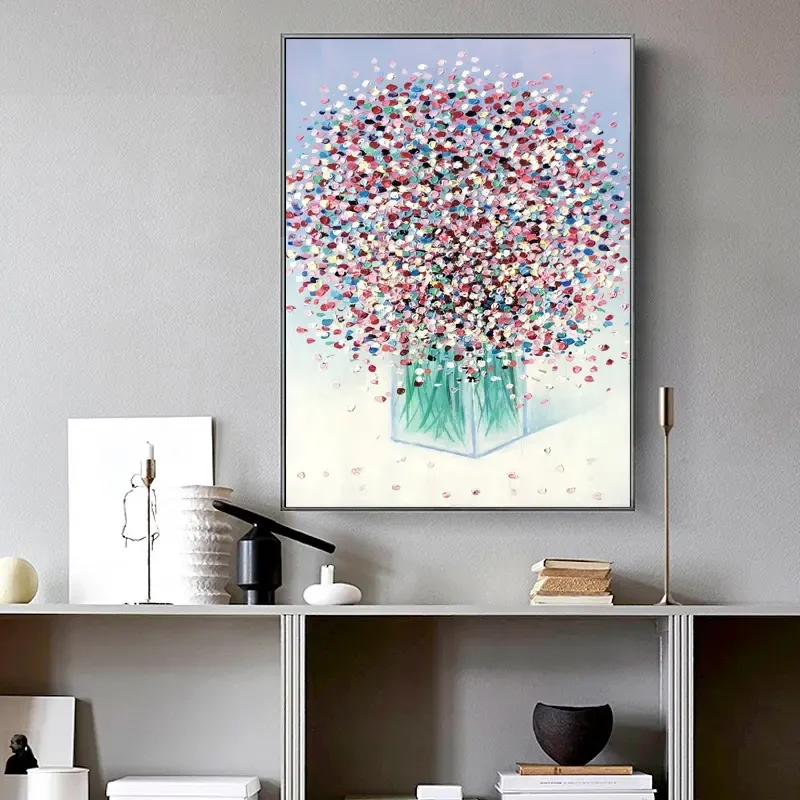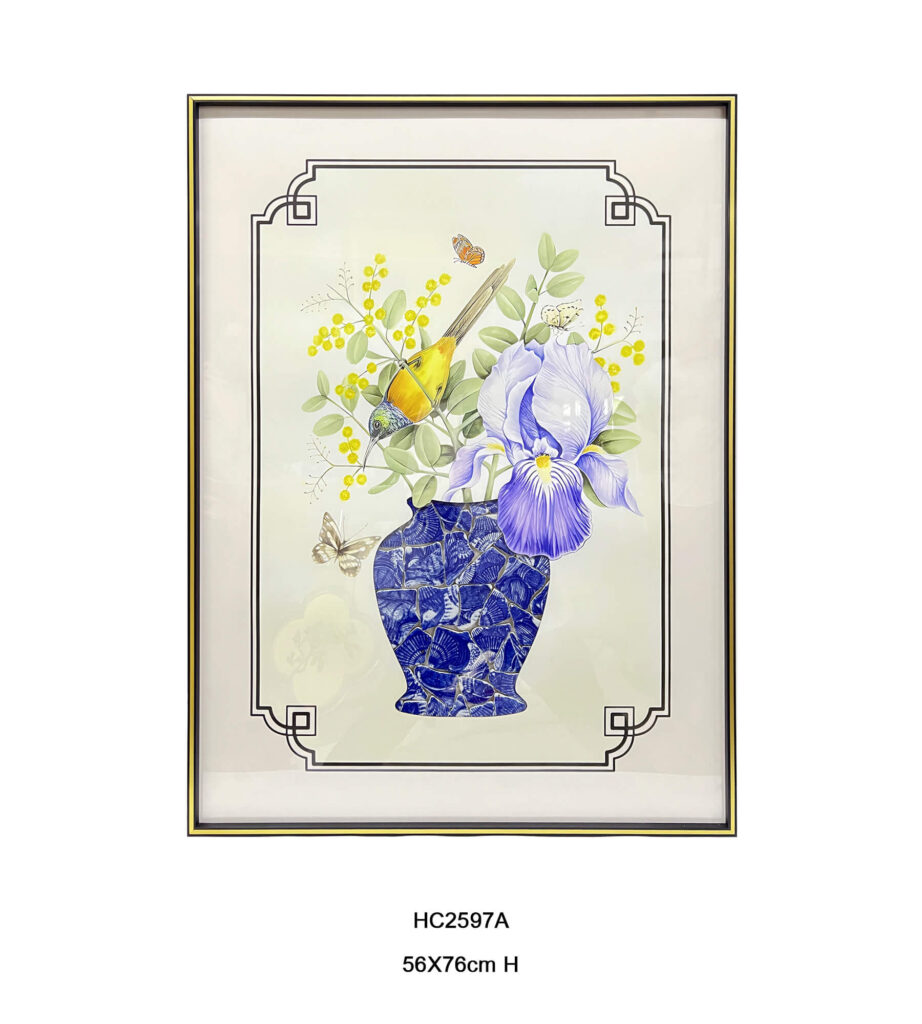
Creating a gallery wall is one of the most effective ways to turn an empty surface into a personal focal point, but choosing the right combination of artwork can be surprisingly difficult. If you are wondering how to choose art for a gallery wall, the answer involves more than simply finding several pictures you like. Size, color, subject, frame style, room proportions, and the relationship between individual pieces all influence whether the final display feels thoughtfully curated or visually chaotic.
How to Choose Art for a Gallery Wall: A Complete Styling Guide
A successful gallery wall should feel connected without looking as though every piece came from the same collection. The goal is to create visual harmony while still allowing individual artworks to have their own character. Start by considering the room itself. Look at the wall size, furniture, colors, materials, and overall interior style before selecting the artwork. A minimalist living room may benefit from restrained abstract paintings and black-and-white photography, while a traditional study can support landscapes, portraits, vintage reproductions, and decorative frames.
You should also decide how you want the gallery wall to feel. It might be calm and sophisticated, colorful and energetic, collected and eclectic, or clean and architectural. Once you define that direction, decisions about paintings, prints, frames, and sizes become much easier. Rather than treating every artwork as an isolated purchase, think of the entire wall as one larger composition.
Start With One Statement Piece
One of the easiest ways to build a gallery wall is to select one strong artwork first. This becomes the visual anchor around which the rest of the collection develops.
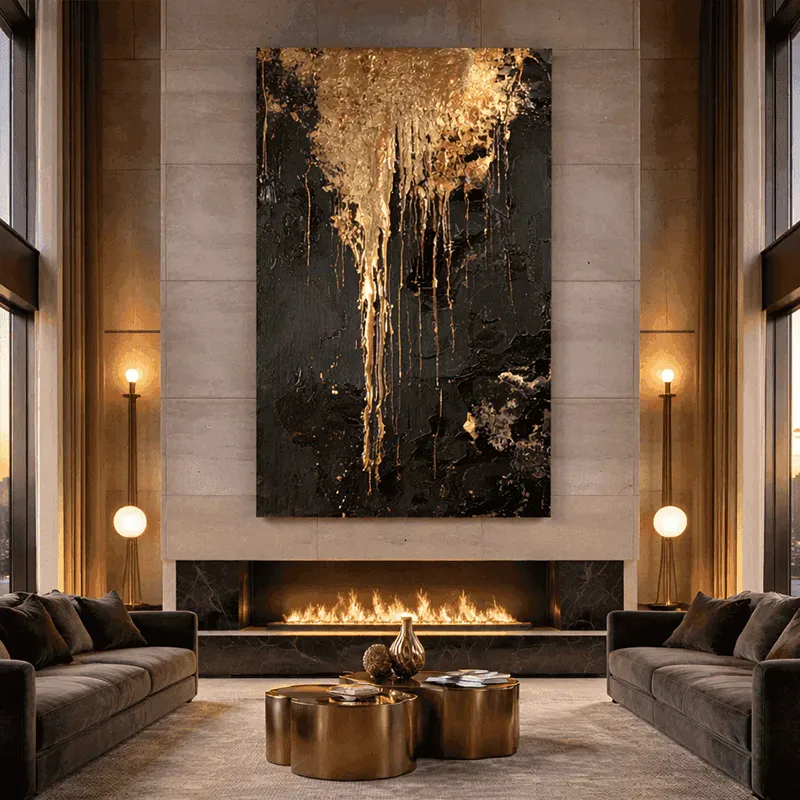
Your anchor might be a large abstract painting, landscape, portrait, famous painting reproduction, or another artwork with strong visual presence. It does not necessarily need to hang exactly in the center. In an asymmetrical gallery wall, placing the largest piece slightly off-center can create a more relaxed and collected appearance.
Once the main artwork has been selected, choose smaller pieces that relate to it through color, subject, mood, material, or style.
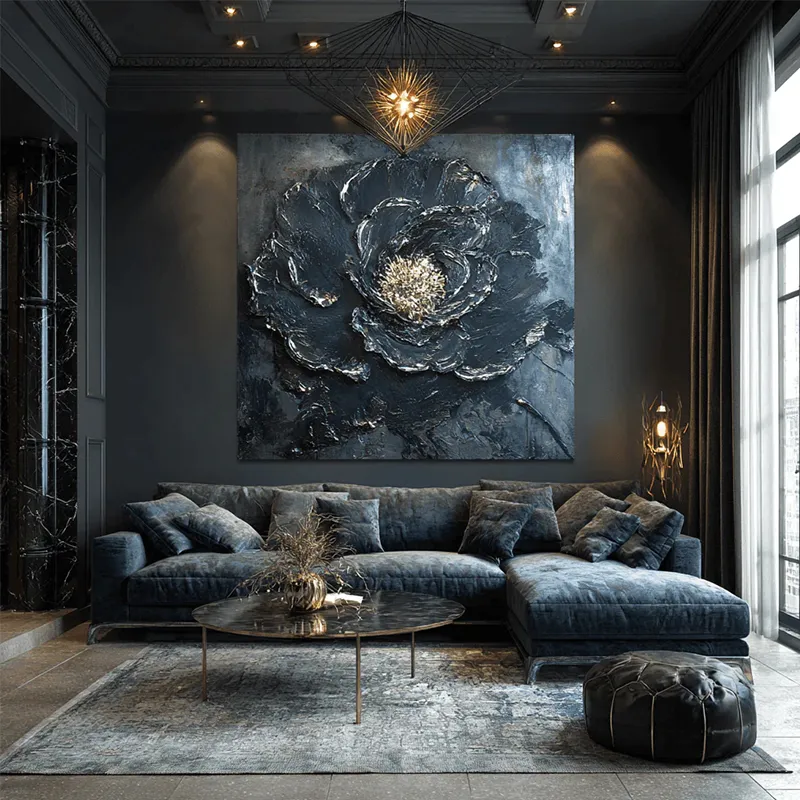
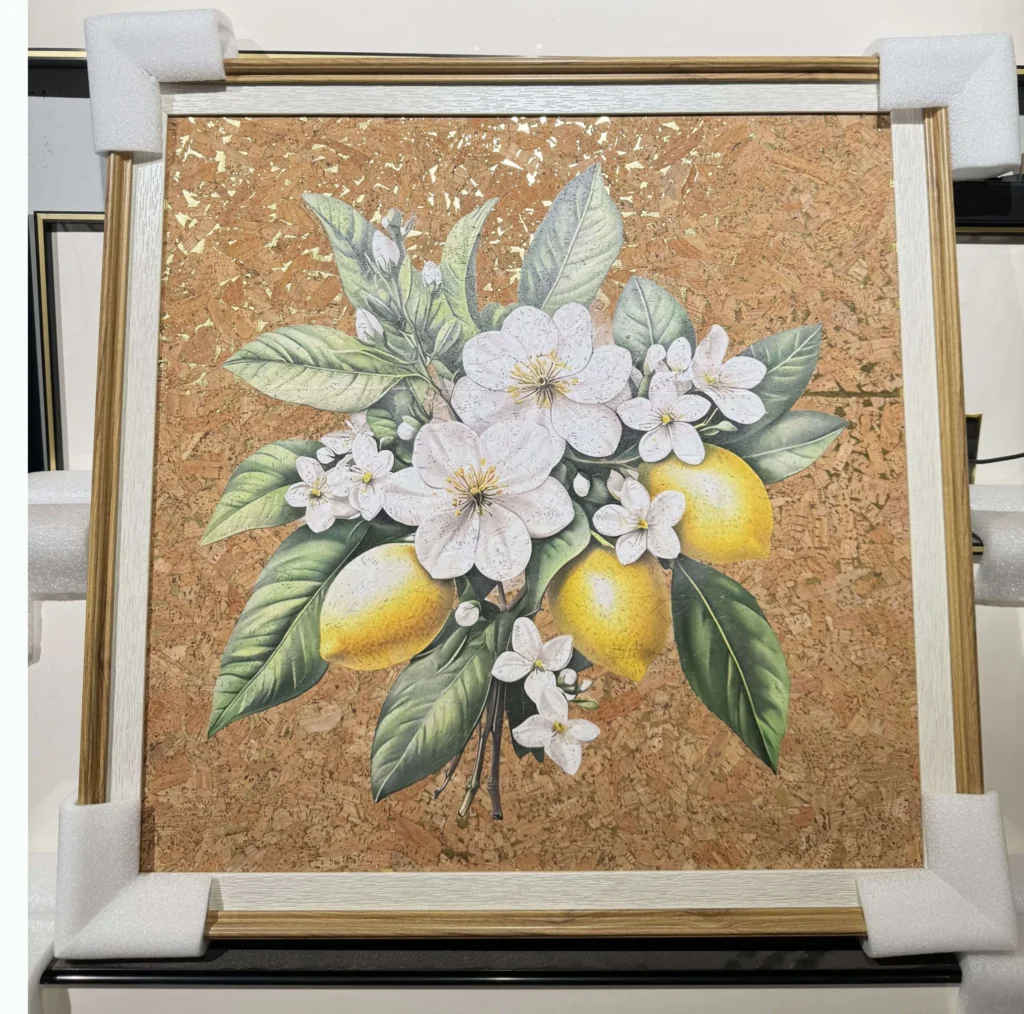
For example, a large blue abstract painting could be surrounded by monochrome photography, smaller contemporary paintings, or artwork containing subtle blue accents. A classical landscape might work beautifully with botanical studies, antique-style prints, and warm wooden or gold frames.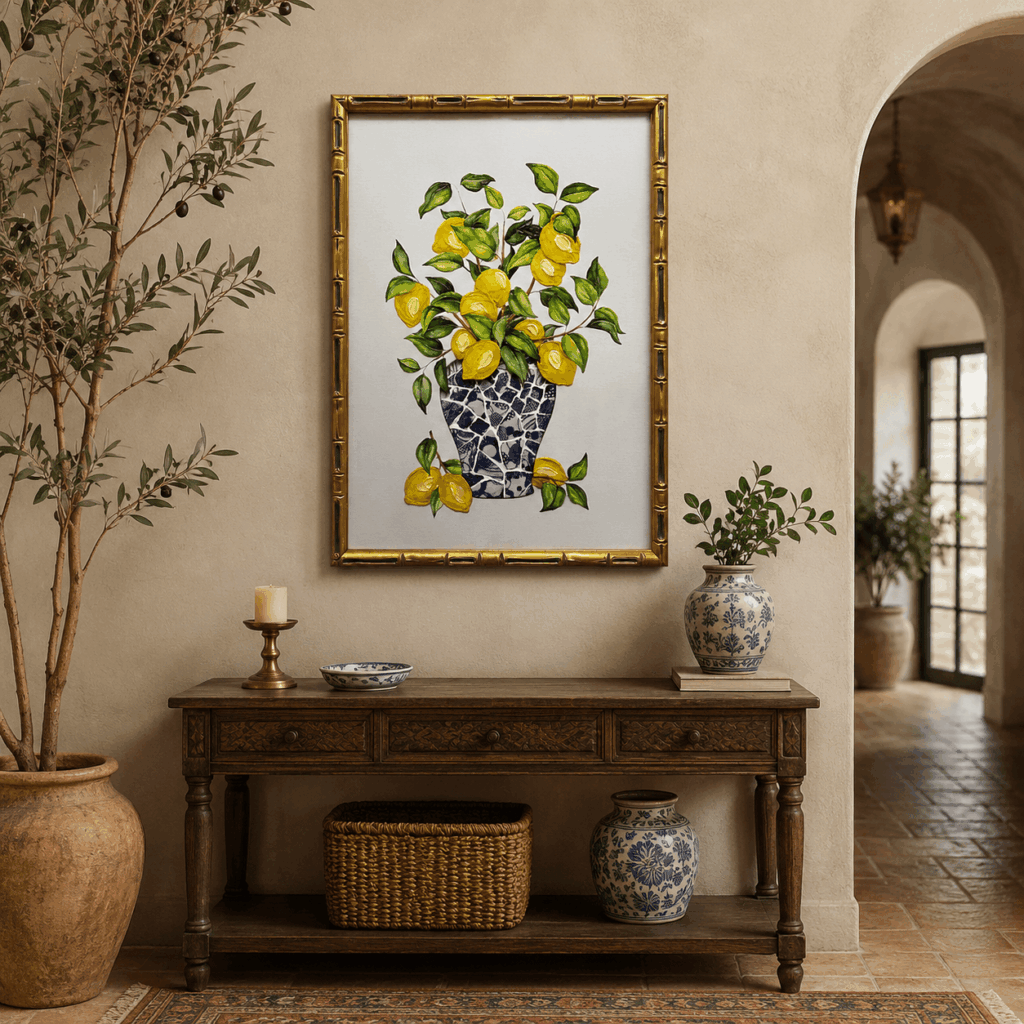
Starting with an anchor prevents the collection from becoming a random group of unrelated pictures.
Build a Cohesive Color Palette
Color is one of the simplest ways to connect different styles of gallery wall art.
Your artworks do not need to contain exactly the same colors. Instead, look for repeated tones that create visual rhythm across the wall. If your main artwork contains navy, cream, and gold, several surrounding pieces might repeat only one or two of those colors.
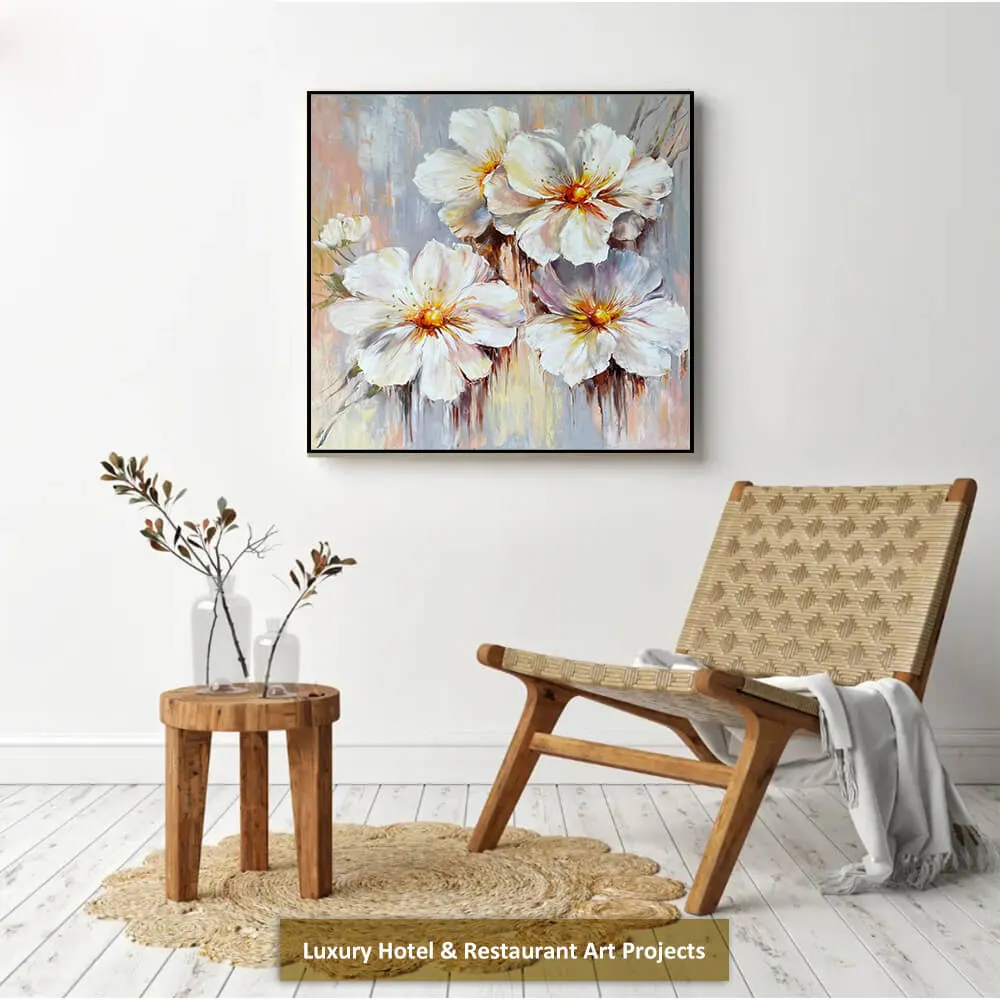
Neutral interiors give you more freedom. White, beige, gray, or natural wood rooms can support colorful paintings without becoming overwhelming. In rooms that already contain strong colors, a more controlled art palette often creates better balance.
You can also use the existing furniture as inspiration. A rust-colored chair, dark blue sofa, brass lighting fixture, or natural wooden table can provide accent colors that reappear in the artwork.
The result should feel coordinated with the room rather than separate from it.
Mix Art Styles Without Creating Visual Clutter
A gallery wall does not have to contain only one type of art.
In fact, combining oil paintings, photography, illustrations, sketches, abstract art, and even dimensional wall decor can make the display feel more personal.
The key is maintaining at least one common thread.
For example, you might mix modern abstract artwork with black-and-white photography while keeping all the frames black. Another collection might combine landscapes, botanical paintings, and vintage illustrations using warm earth tones throughout.
Different materials can also create depth. A predominantly framed gallery wall might include a small piece of wood wall art, metal decor, or sculptural porcelain artwork to break up the repetition of flat rectangular frames.
Avoid adding variety simply for the sake of variety. Every piece should contribute something to the overall composition.
Choose the Right Artwork Sizes and Scale
Scale has a major influence on how a gallery wall feels.
A common mistake is choosing many small artworks for a very large wall. From across the room, the individual pieces can lose impact and the composition may feel disconnected.
Instead, combine several scales.
Use one or two larger works to establish visual weight, medium-sized pieces to build the main structure, and smaller artworks to fill carefully selected spaces.
Also consider the furniture beneath the gallery wall. Artwork displayed above a sofa, bed, console table, or dining bench should visually relate to the width of that furniture rather than appearing as a tiny collection floating in the middle of a large wall.
Before ordering your artwork, measure both the wall and the available area above the furniture. This is especially important when buying large wall art or commissioning custom sizes.
Match Gallery Wall Art to Your Interior Style
Your interior style provides another useful starting point when choosing art.
For a modern or minimalist gallery wall, consider abstract paintings, geometric compositions, monochrome photography, simple landscapes, and restrained frames in black, white, or natural wood.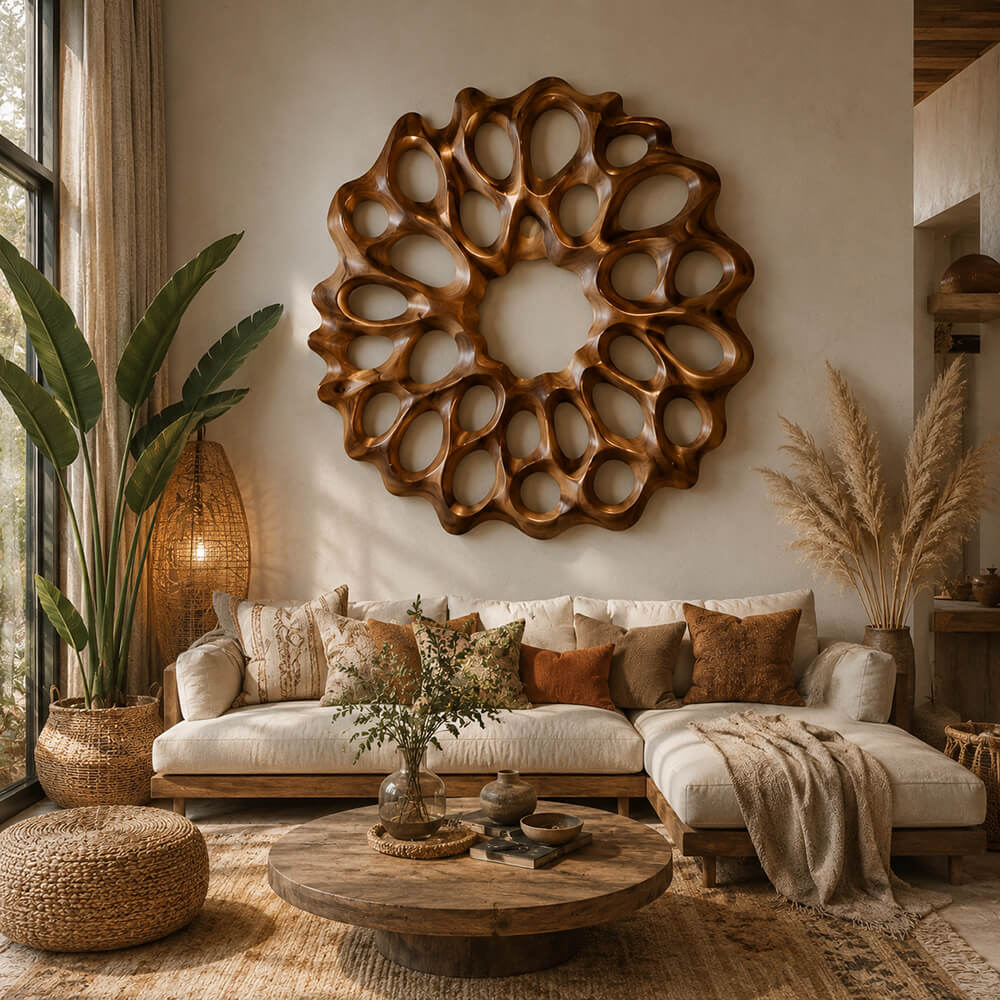
A luxury or traditional interior can support oil paintings, famous painting reproductions, portraits, still lifes, architectural art, and decorative gold or dark wood frames.
For a Boho or organic interior, combine botanical subjects, landscapes, earthy abstract pieces, handcrafted wood wall art, and natural materials.
An eclectic gallery wall offers the greatest freedom. Vintage art, contemporary paintings, travel photography, portraits, typography, and dimensional objects can all appear together as long as there is enough visual connection to prevent the wall from feeling random.
Choosing artwork according to the room makes the gallery wall feel integrated into the entire interior rather than added as an afterthought.
Should Gallery Wall Frames Match?
Matching frames are not required.
Using identical frames creates a structured, architectural appearance and works particularly well with photography, minimalist prints, or grid layouts.
Mixed frames create a more relaxed and collected effect. You might combine natural wood, black, antique gold, or other finishes while keeping the range controlled.
A useful approach is to repeat several finishes instead of using a completely different frame for every artwork. This maintains variety while giving the eye recognizable elements to follow.
Frames should complement the artwork first and the room second. An ornate historical reproduction may benefit from a traditional frame, while contemporary abstract art often looks stronger with a simpler profile.
Plan the Gallery Wall Layout Before Hanging
Do not begin by putting nails into the wall.
Arrange your artwork on the floor first and experiment with different combinations. Start with the largest piece, position the medium-sized artworks around it, and use smaller pieces to complete the composition.
Take a photograph when you find a layout you like.
For greater accuracy, create paper templates matching the dimensions of each frame and temporarily place them on the wall. This allows you to evaluate height, spacing, scale, and balance before making permanent holes.
Keep the distance between artworks reasonably consistent, but remember that visual balance matters more than mathematical perfection.
Create a Gallery Wall That Feels Personal
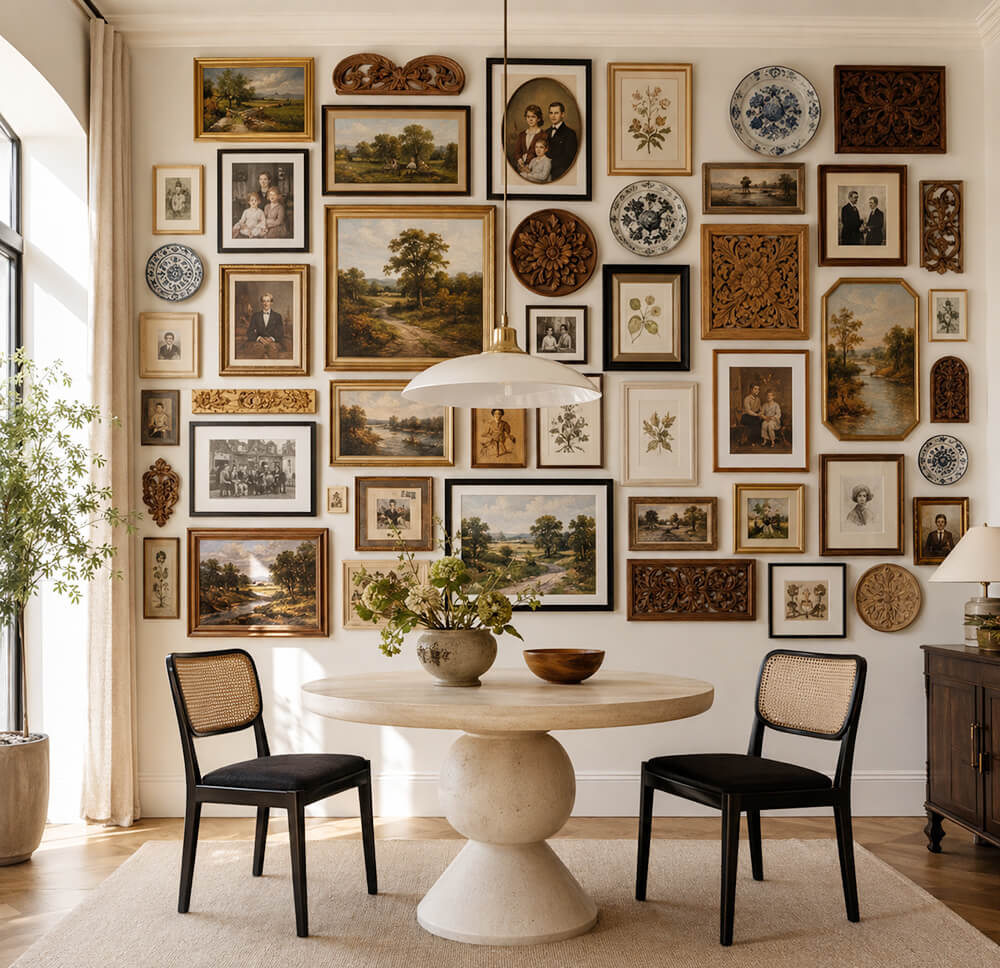
The best gallery walls are not simply collections of matching decorations. They reveal something about the people who live or work in the space.
Combine pieces that reflect your taste, travels, interests, favorite colors, cultural influences, or personal memories. Give yourself permission to build the collection gradually rather than filling every available space immediately.
Start with one artwork you genuinely love and allow the gallery to develop around it.
Whether your preferred style includes abstract paintings, oil painting reproductions, landscapes, wood wall art, porcelain art, metal wall decor, or custom artwork, a carefully selected collection can transform an ordinary wall into one of the most distinctive features of the room.
For larger residential, hospitality, office, or interior design projects, custom sizes and coordinated wall art collections can also make it easier to create a gallery wall that fits the architecture, color palette, and character of the space.