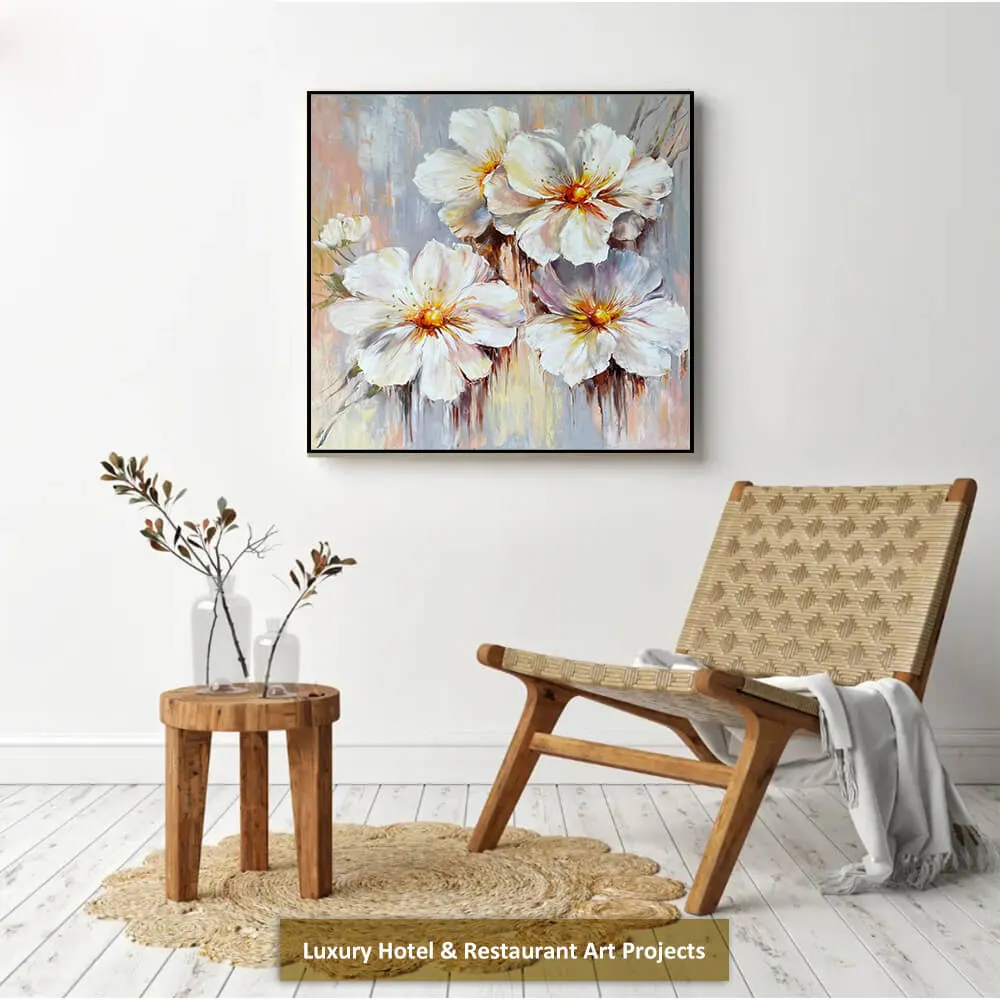
Unique Wall Art That Gives a Home Its Own Point of View
Furniture, lighting and soft furnishings can be carefully chosen, yet a room may still feel unfinished. The missing element is often not another accessory, but a piece of art that connects the room’s scale, texture and mood.
Finding the Feeling Your Room Is Missing
Unique wall art works best when it responds to the room rather than simply following a trend. Before choosing a piece, look at the wall and ask what the space lacks. Does it need more visual weight, a warmer surface or a stronger color accent?
Many people begin with unique wall art prints, but the image itself is only part of the experience. Surface texture, frame depth and proportion can change how the artwork feels once it is placed in a real room.
Let Scale Anchor the Living Room
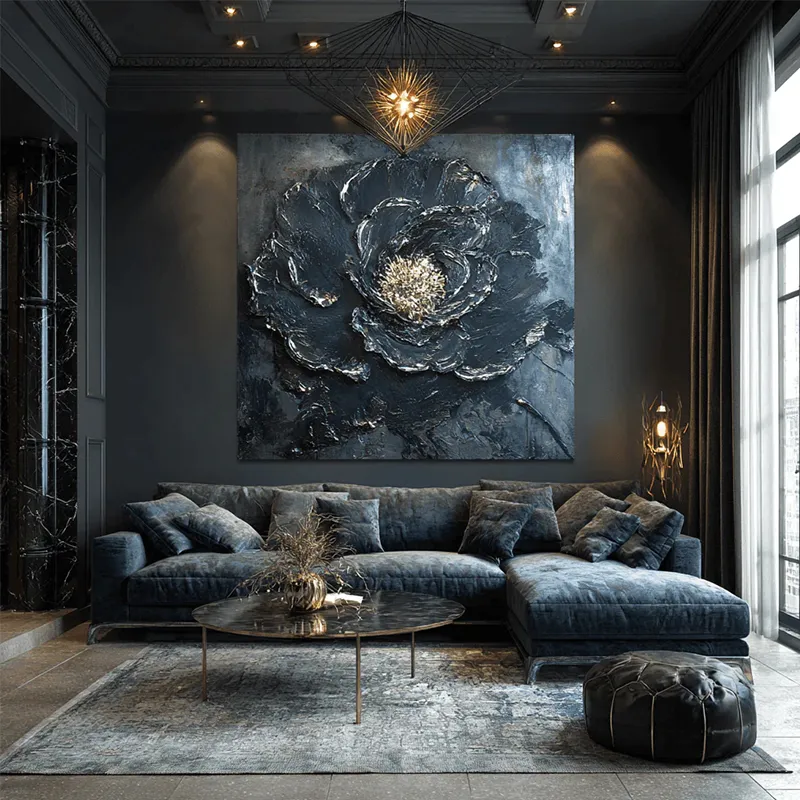
A large wall above a sofa or fireplace can make a small artwork look disconnected. The silver and blue-green leaf composition solves this problem through its tall 70 × 100 cm format and sculptural visual weight.
The raised leaf forms guide the eye upward and give a simple wall more structure. This makes the piece a strong choice for large unique wall art in a living room, particularly when the surrounding furniture uses clean lines.
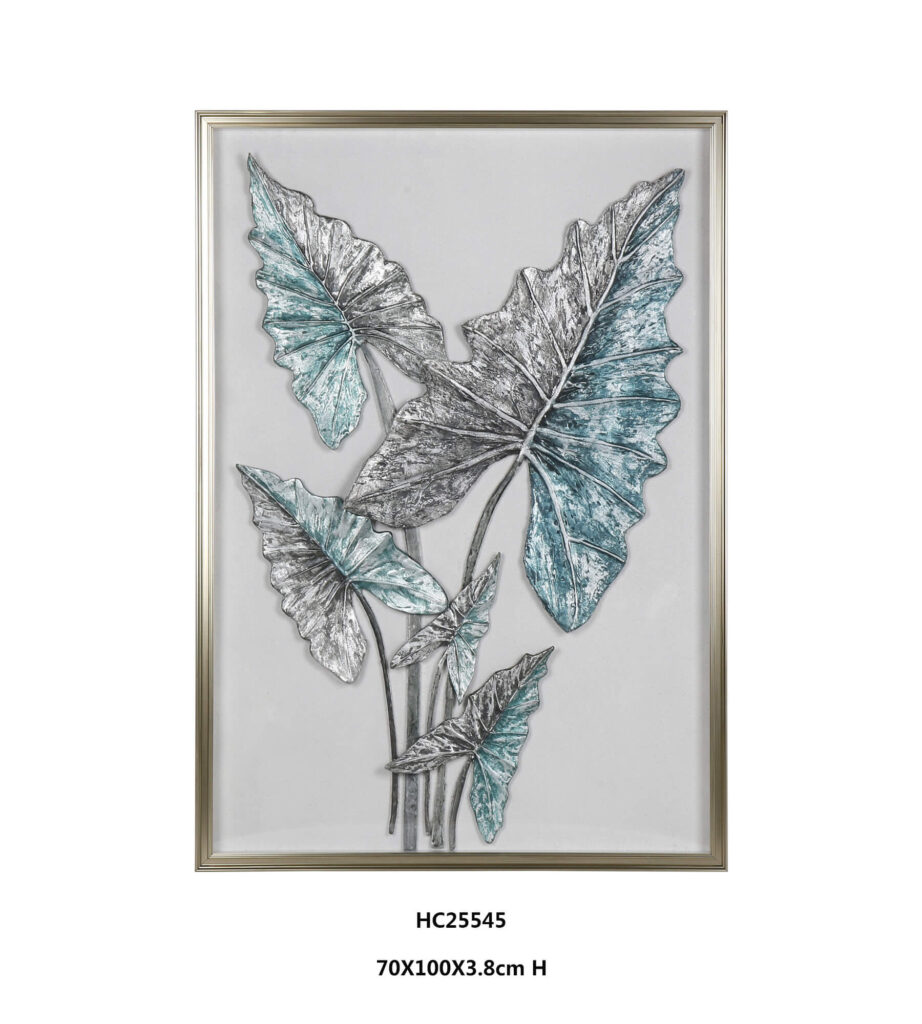
Light gray walls, dark sofas, natural wood and metal lighting can all support the cool botanical palette. Instead of competing with the furniture, the artwork becomes a visual anchor for modern living room wall art.
Use Texture to Soften Clean Lines
Not every living room needs a dramatic statement piece. When furniture is restrained and minimal, a textured artwork can introduce warmth without making the room feel crowded.
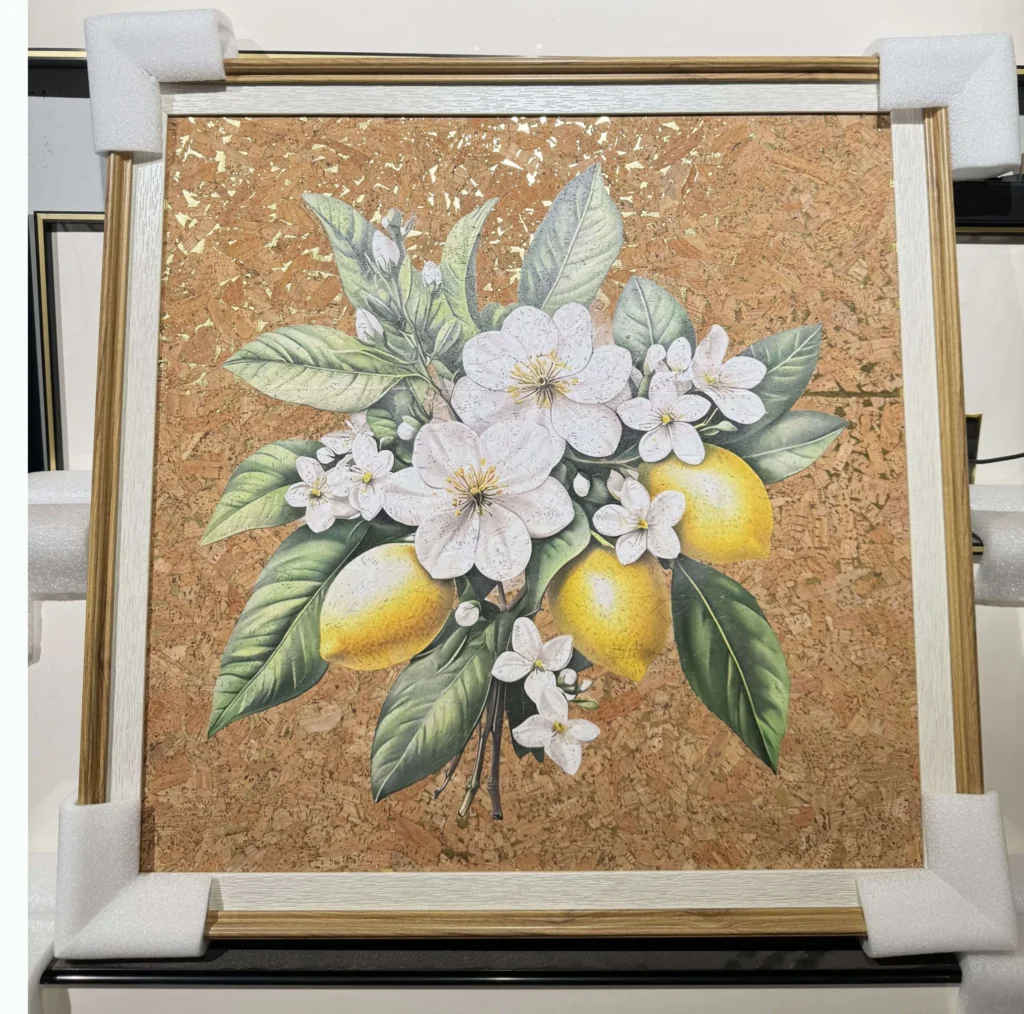
The floral panel with white branches, golden blossoms and a warm brown cork-textured ground creates a softer atmosphere. The brown surface connects naturally with wood furniture, while the white forms keep the composition light. Small golden details add variation as daylight changes across the wall.
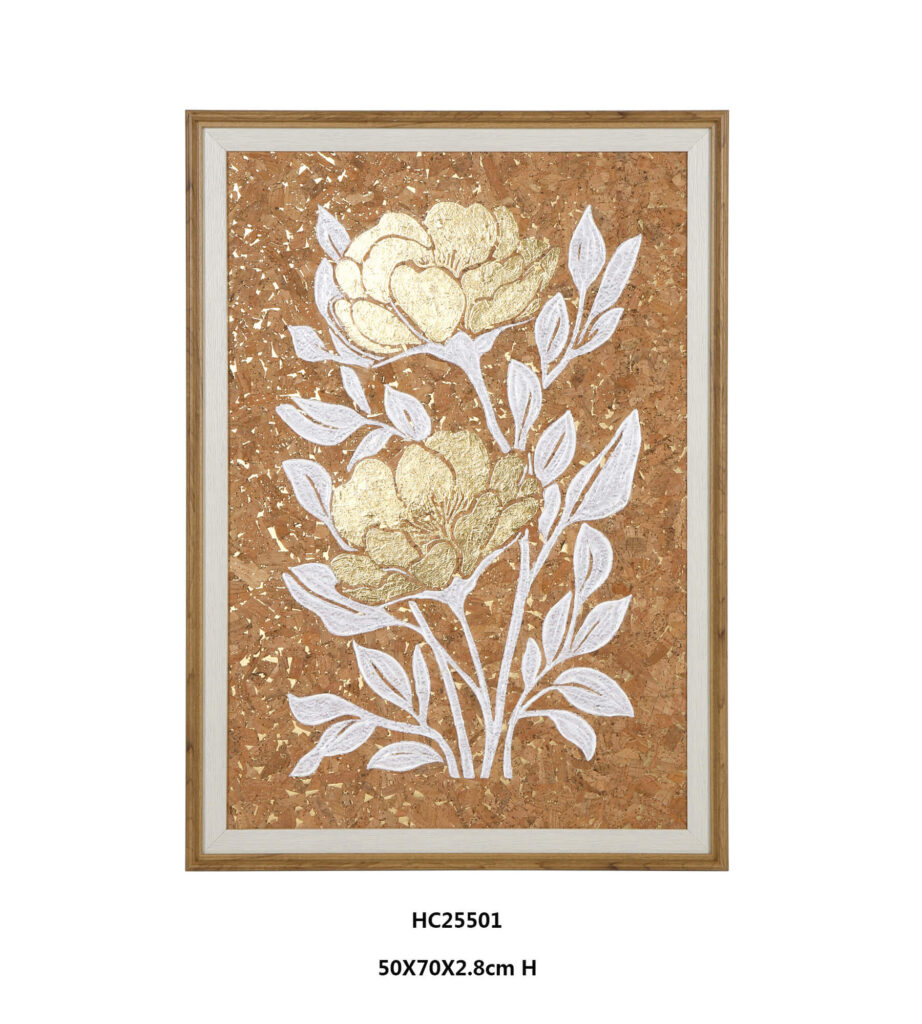
The botanical subject also benefits from close attention to stems, leaves and plant structure. Kew’s overview of botanical illustration explains how artists use observation to reveal the character of plants. In an interior setting, that same attention becomes a calm decorative language.
Give the Bedroom Room to Breathe
Bedroom art does not always need to be the most noticeable piece in the home. It should support the atmosphere of the room and remain comfortable to look at every day.
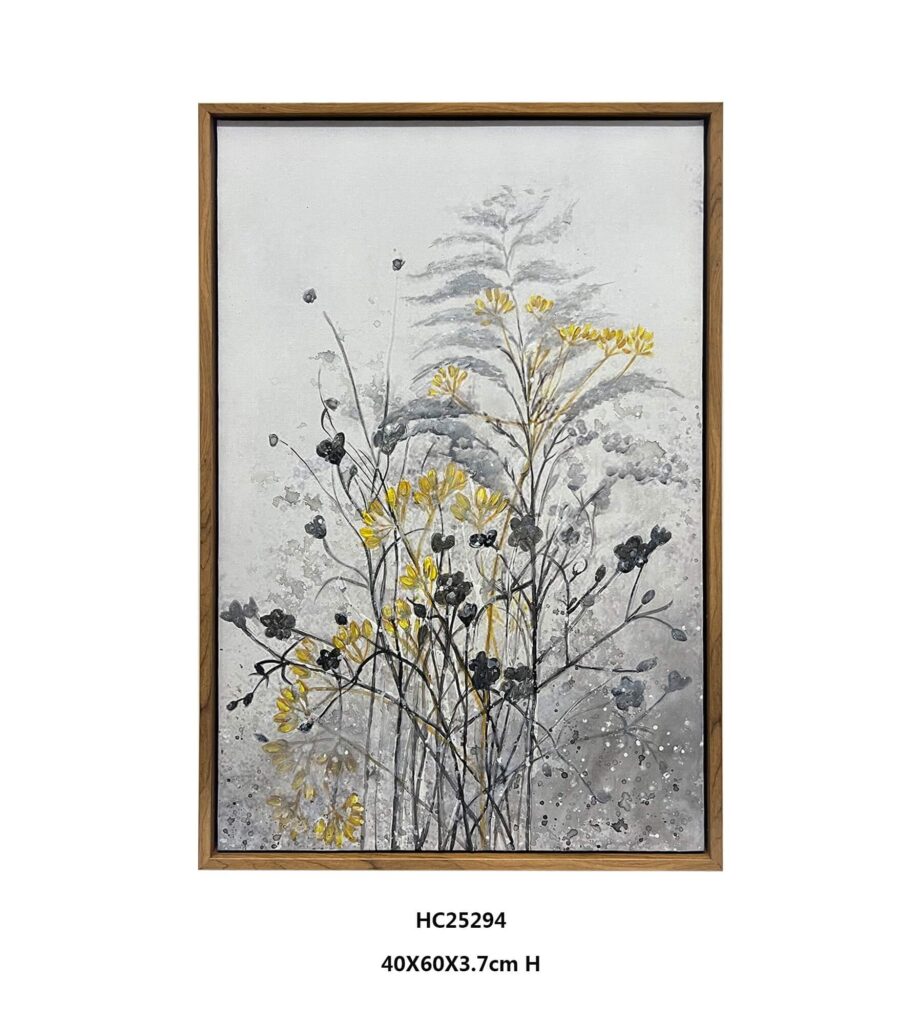
The gray, yellow and black wildflower artwork creates movement without excessive contrast. Slender stems add a natural vertical rhythm, while the muted background keeps the composition quiet. This type of unique wall art for bedroom works well above a bed, beside a reading chair or over a desk.
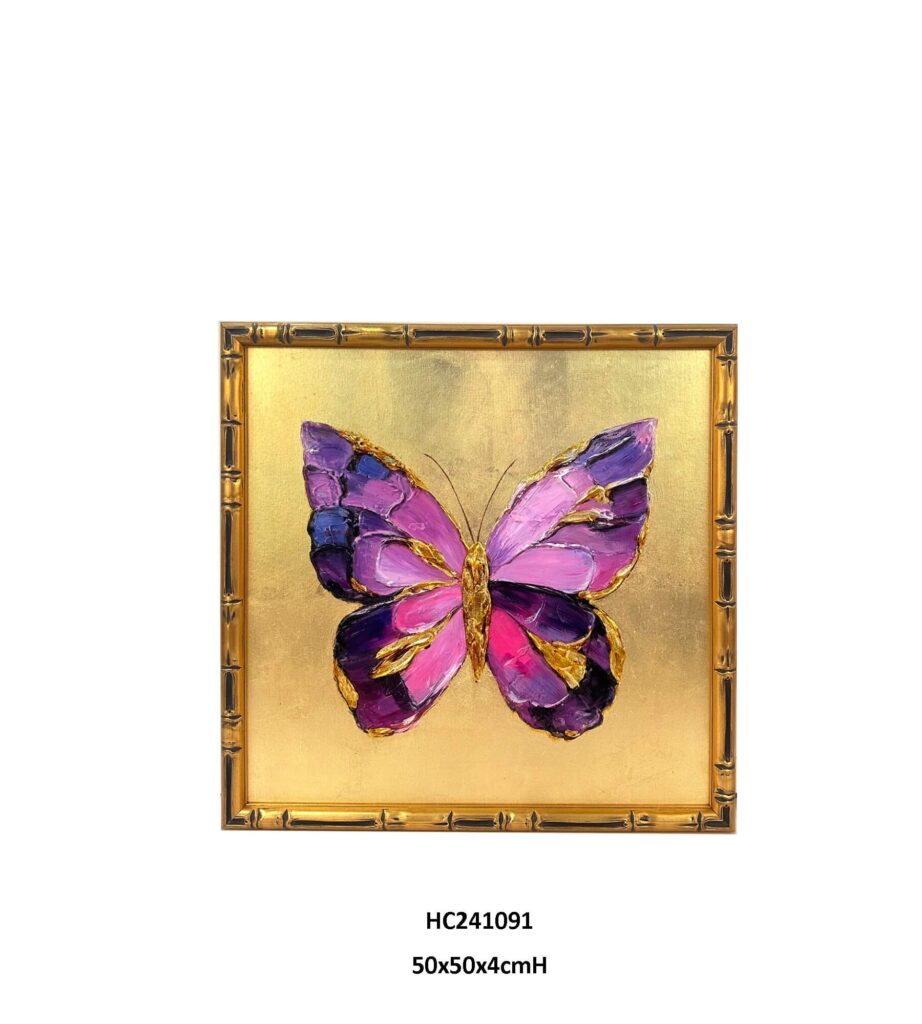
A purple butterfly on a gold ground creates a different mood. It has stronger color and a clearer decorative presence, making it suitable as a single accent in a bedroom, entryway or dressing area. Used with restraint, it becomes one of those unique art pieces for home that gives the space a memorable point of view.
Test the Artwork Before You Commit
A screen cannot always show how a piece will relate to the wall, furniture and natural light. Before hanging the artwork, create a paper template close to its actual size or mark the edges with removable tape.
Leave the outline in place for a day or two. View it from the sofa, the doorway and different times of day. This simple step can reveal whether the artwork feels too small, too heavy or perfectly balanced.
When placing art above a sofa, compare the total artwork width with the furniture beneath it. Our wall art size guide explains how to use this proportion before drilling or hanging.
Let the Final Choice Become Part of Home
The best unique wall art does not need to be complicated or overpower every other object in the room. Silver-blue leaves can give a large wall structure, warm floral texture can soften a modern interior, gray-yellow wildflowers can bring quiet rhythm to a bedroom, and a purple butterfly can add a memorable accent.
The right piece is one you continue to enjoy after the first impression has passed. When artwork connects naturally with furniture, lighting, proportion and everyday life, the wall becomes more than a finished surface. It becomes part of the home’s identity.