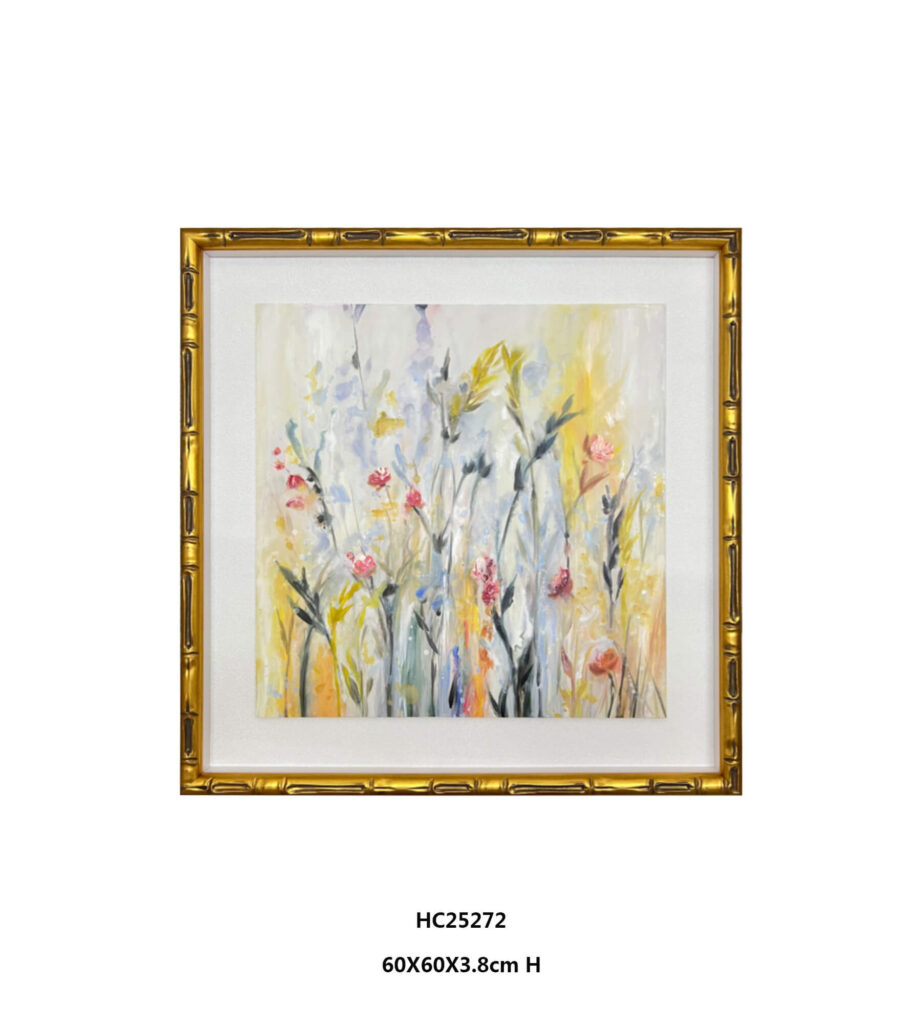
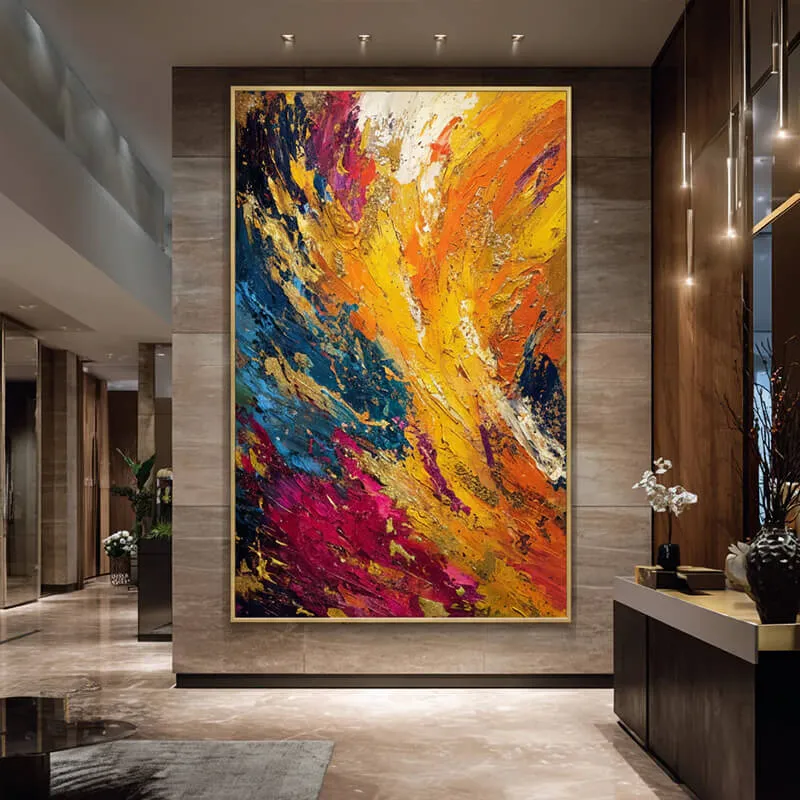
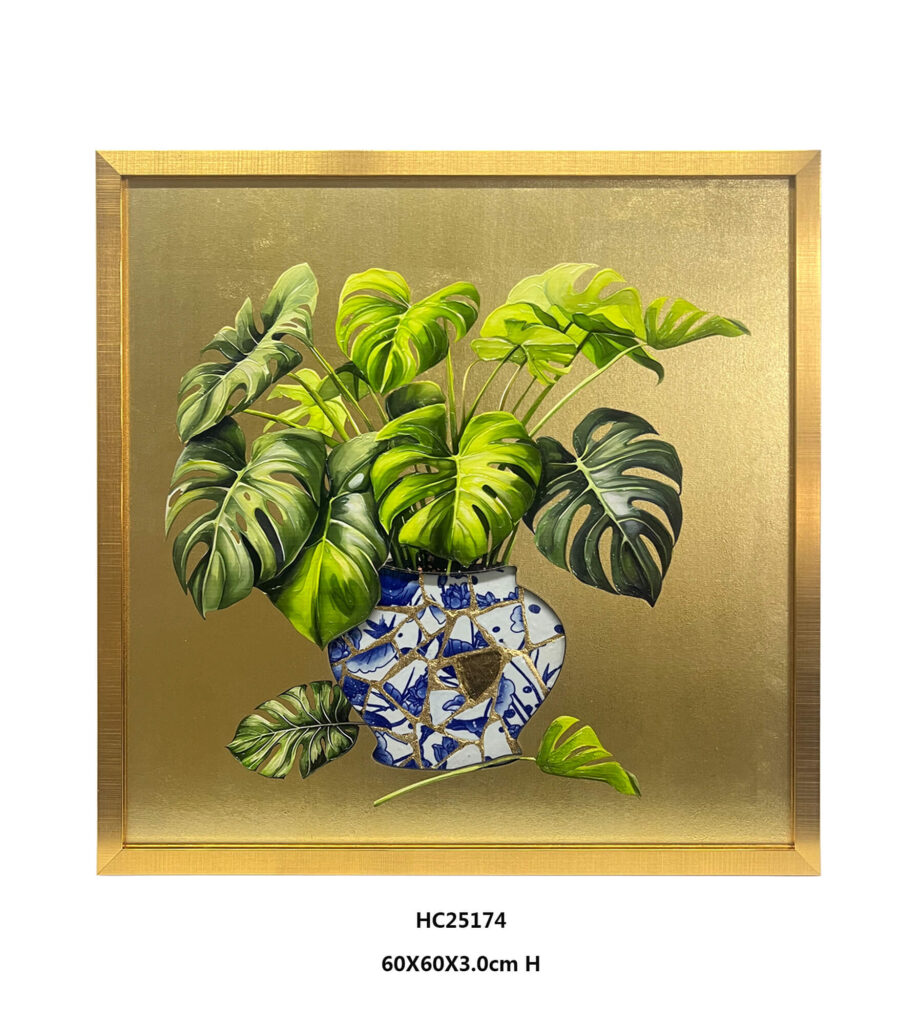
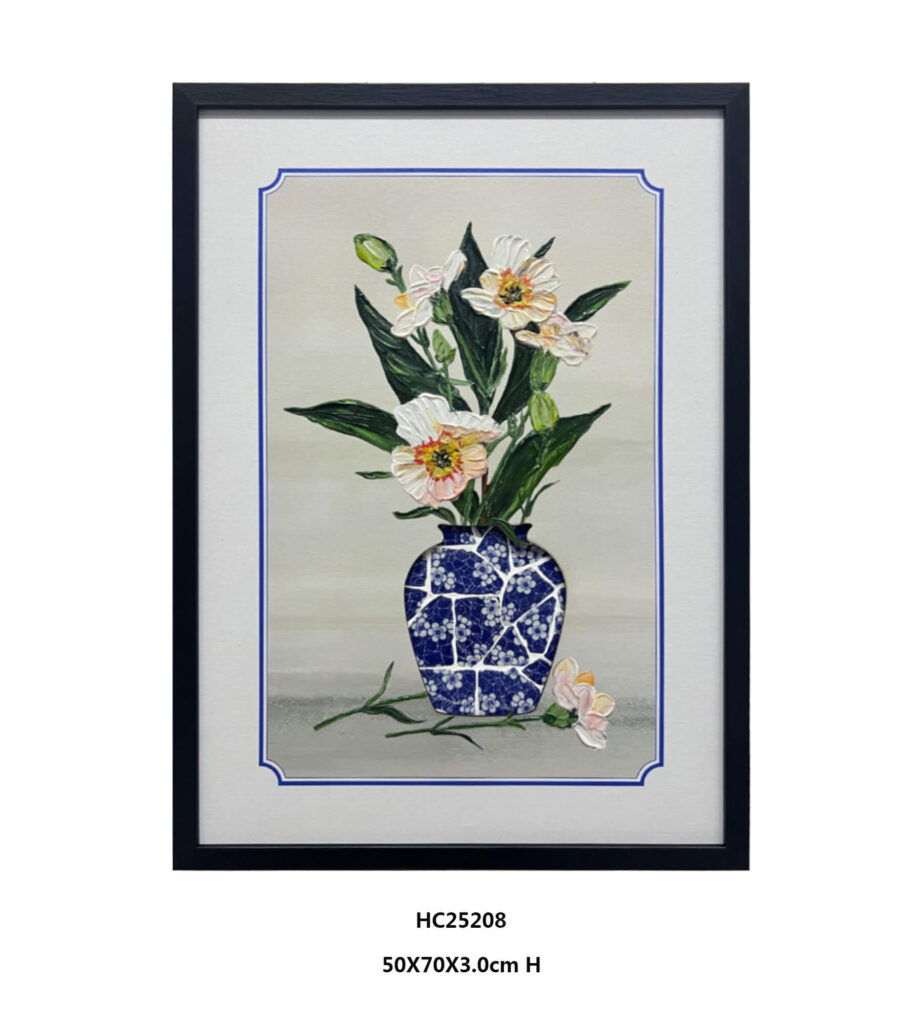
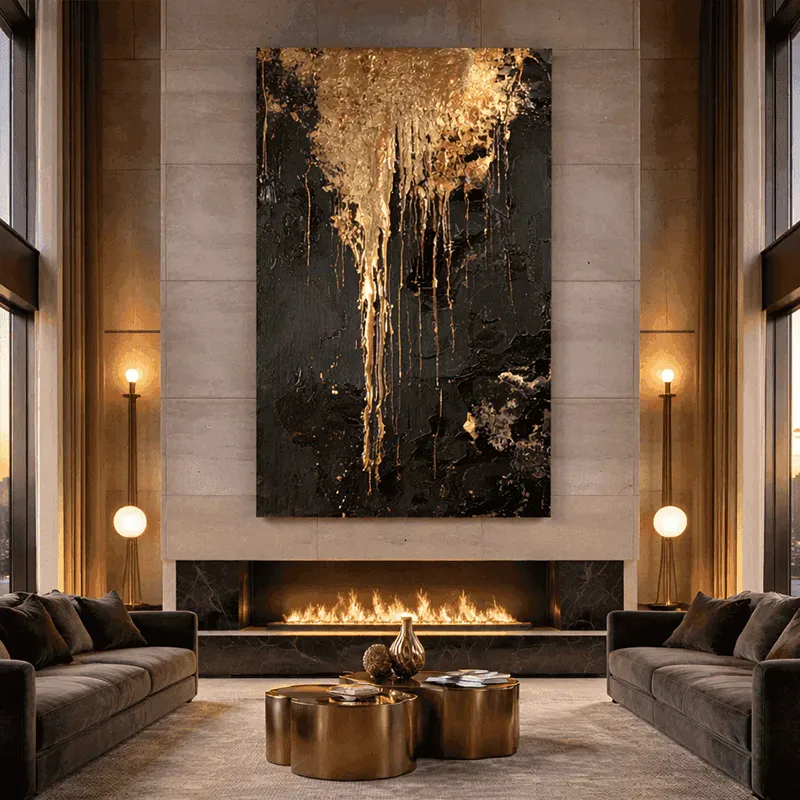
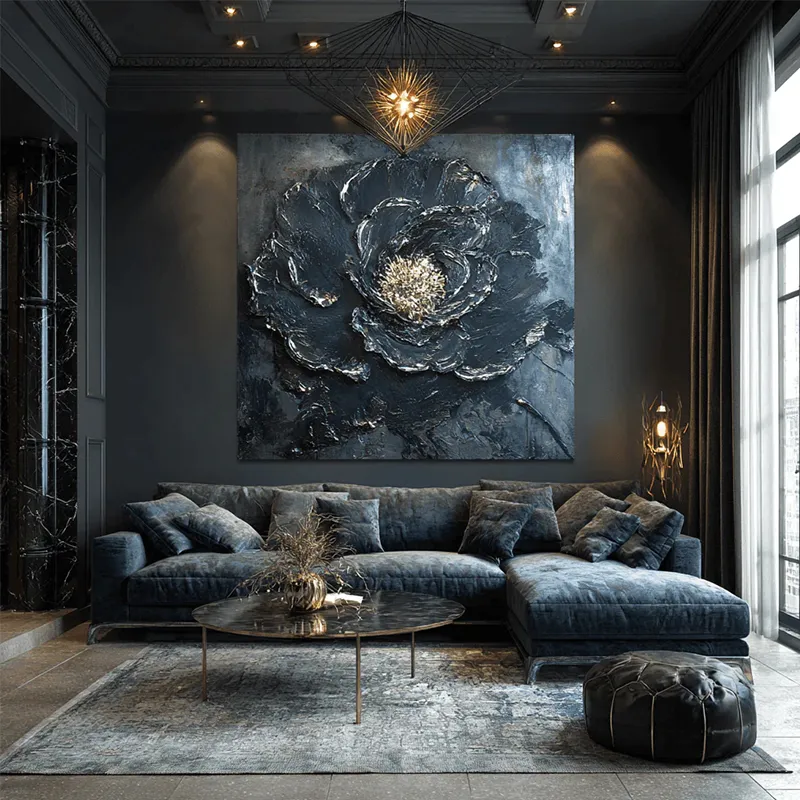
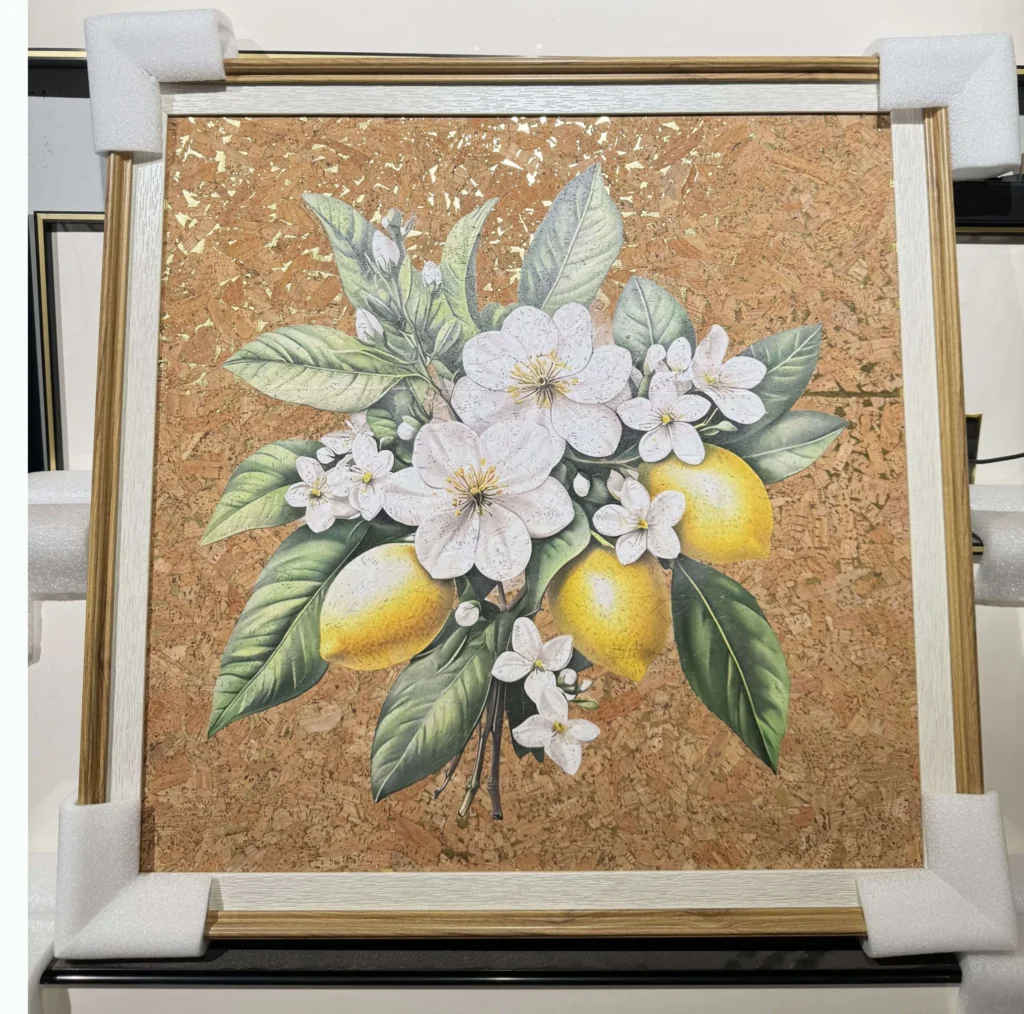
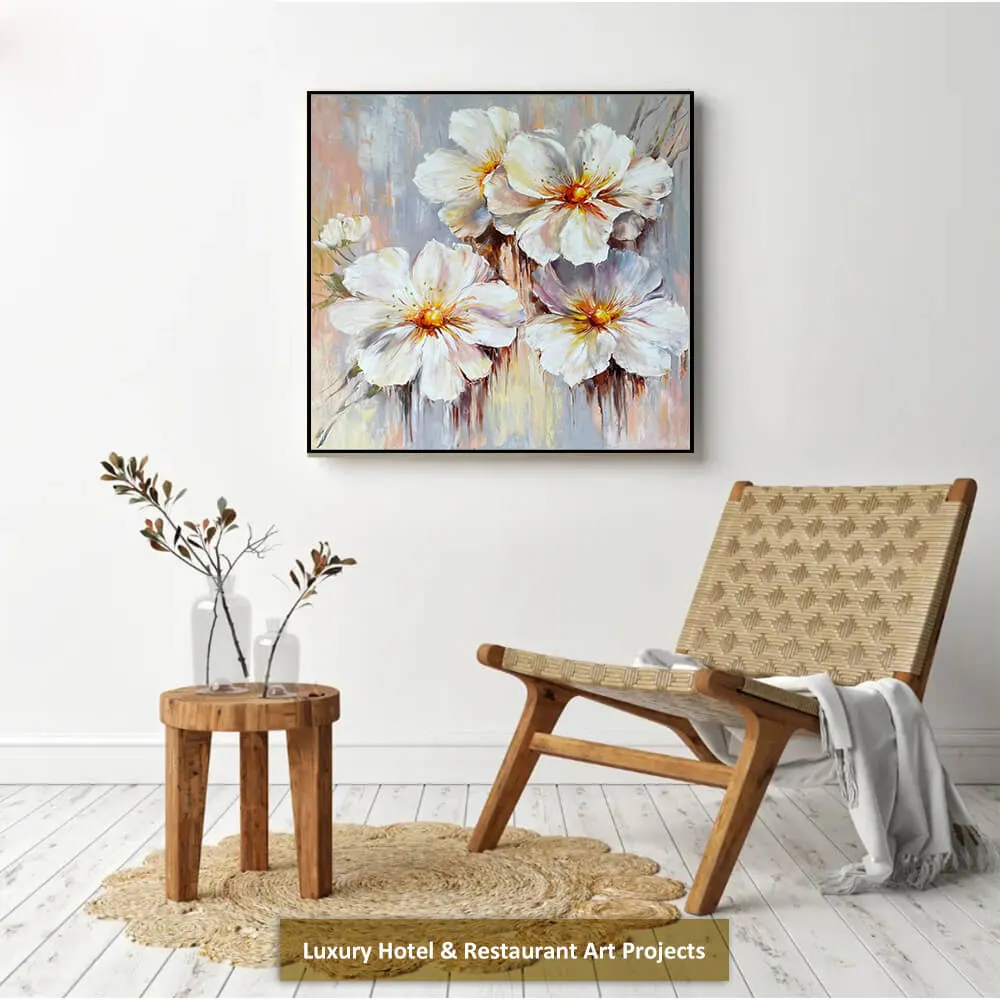
Resin diamond painting, also known as 5D diamond painting, is a popular DIY decorative product that has gained widespread popularity in recent years.
Therefore, many consumers initially feel confused about the product’s positioning, material differences, and installation methods. To address this, this article provides a professional overview of resin diamond painting. Specifically, it covers product value, the complete installation process, and frequently asked questions.
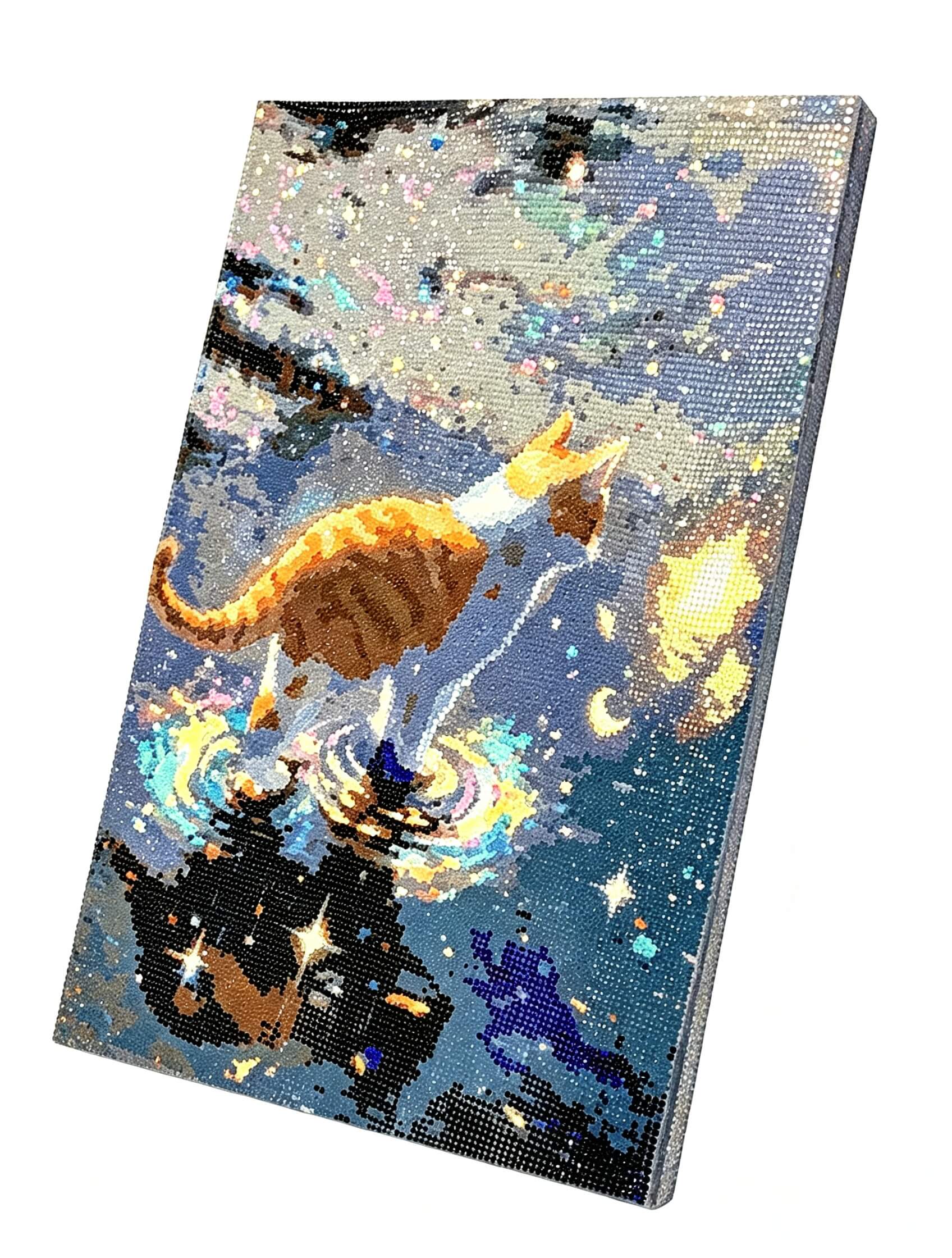
I. Product Value of Resin Diamond Painting
Resin diamond painting is a DIY decorative art piece that requires no prior painting skills. Instead, users create a dazzling artwork by piecing together multi-faceted resin diamonds according to the canvas’s coding symbols.
Furthermore, from a practical standpoint, the diamond-painting process feels gentle. As a result, the focused application helps soothe the mind, making it a popular home leisure craft.
After framing, you can use the finished piece directly as interior wall decoration. Additionally, the handmade item carries a unique personal touch. Consequently, it remains a top choice in the gift market. Moreover, our shop supports custom image printing. For instance, our team converts world-famous paintings, landscapes, and portraits into diamond painting patterns. Ultimately, this creates unique custom decorative artworks for our clients.
II. Detailed Production Steps for Resin Diamond Painting
Preparing Your Workspace and Materials
-
Canvas Preparation: First, lay the canvas flat on the table and smooth out any wrinkles. Importantly, do not remove the entire protective film at once. Instead, only peel off the protective film from the area you currently work on. Consequently, this leaves the rest intact to prevent dust from settling on the adhesive surface and reducing its stickiness.
-
Preparing the Diamonds: Next, locate the corresponding color according to the symbols on the canvas. Then, open the resin diamond packaging and pour the diamonds into the diamond tray. Afterwards, gently shake the tray to ensure the cut side of the diamonds faces upwards for easy pickup.
Applying the Resin Diamonds
-
Applying Wax Glue: Meanwhile, take out the matching diamond dotting pen and lightly dip the tip in wax glue. Remember to leave a small amount of glue on the tip to adhere the diamonds. Fortunately, the wax glue will not remain on the diamond surface, so it will not affect the finished product’s appearance.
-
Picking Up and Attaching the Diamonds: Now, use the glue-adhesive end of the diamond dotting pen to attach the resin diamonds. Next, align the diamonds with the corresponding symbol grid on the canvas and press gently vertically to secure them. Furthermore, we recommend completing the same color area in one go to reduce frequent changes of rhinestones.
Finishing and Displaying Your Art
-
Compression and Reinforcement: Once you apply the rhinestones to a single area, gently press the canvas with a flat, heavy object such as a book. Therefore, you ensure a tight bond between the rhinestones and the adhesive surface, which reduces the risk of rhinestones falling off later.
-
Completing the Entire Painting: Subsequently, repeat the process of preparing, applying, and compacting the rhinestones. Specifically, work in sections until you cover all marked areas on the canvas with resin rhinestones.
-
Top Coat Protection (Optional): Additionally, after you paste the entire artwork, you can apply a special top coat for diamond paintings. As a result, this reinforces the rhinestones and enhances the overall shine. Make sure to let it air dry in a dust-free environment.
-
Framed Display: Finally, once the top coat dries completely, frame the painting. Consequently, it is ready for you to display on the wall.
III. Frequently Asked Questions
Materials and Coverage Options
What is the difference between resin rhinestones and ordinary acrylic rhinestones?
Primarily, resin rhinestones prove more durable, resist breakage better, feature a stronger sense of transparency, and fade less over time. Conversely, acrylic rhinestones act more brittle, and their shine tends to dull over time.
What is a full-coverage diamond painting?
-
Full Rhinestone Cover: In this case, you cover the entire canvas with resin rhinestones. Consequently, this creates a rich, sparkling effect.
-
Partial Rhinestone Cover: Alternatively, you only cover the patterned areas with rhinestones. Meanwhile, the background retains the canvas’s original color.
Application and Maintenance Tips
Will the rhinestones fall off after application?
Generally, if you press firmly during application, they unlikely fall off under normal placement. Furthermore, for even greater adhesion, you can apply a special top coat for rhinestone painting. Also, avoid vigorous scratching or pulling of the canvas.
Will the adhesive on the canvas dry out?
Actually, the canvas comes with a protective film. As long as the film remains intact, the adhesive preserves indefinitely. However, for areas where you removed the protective film, we recommend applying rhinestones as soon as possible. Otherwise, dust will reduce the adhesive’s stickiness.
How to Choose Between Round and Square Rhinestones?
Specifically, round rhinestones easily allow pickup and suit beginners perfectly. On the other hand, square rhinestones leave smaller seams. As a result, they yield a more delicate and refined finished product, which suits clients seeking a high-quality effect.
Cleaning and Customization Guidelines
Can Finished Rhinestone Paintings Be Washed?
No. Instead, you should gently brush dust away with a soft, dry brush. Crucially, do not get them wet or soak them.
Can Finished Rhinestone Paintings Be Placed in Direct Sunlight for Extended Periods?
We strongly advise against prolonged exposure to direct sunlight. Because strong light and high temperatures accelerate resin aging and cause the rhinestones to lose their luster.
Can I correct a rhinestone that’s been misplaced?
Yes. Simply pick up the misplaced rhinestone gently with tweezers and reattach it to the correct position.
Can I use my own image for customization? What are the image requirements?
Indeed, we support custom image customization. Generally, a higher image resolution produces a better finished product. Therefore, we recommend providing a high-resolution original image. Additionally, for images with complex details, we suggest choosing a larger size to better showcase the details.
How long does it take to complete a painting?
Ultimately, the production time depends on the canvas size. For example, you can complete small pieces in a few days. However, larger pieces with more detail will take longer.
Conclusion
Resin rhinestone paintings combine the benefits of a hands-on experience with home décor. Therefore, if you find yourself short on time, please contact us for assistance.
Furthermore, we support personalized image customization. Consequently, this makes them a perfect DIY product for personal use or as a gift.
Finally, when you place an order, please distinguish between diamond materials, full diamonds/partial diamonds, and round diamonds vs. square diamonds. Then, choose according to your own preferences. As a result, you will receive a satisfactory finished product from our studio.