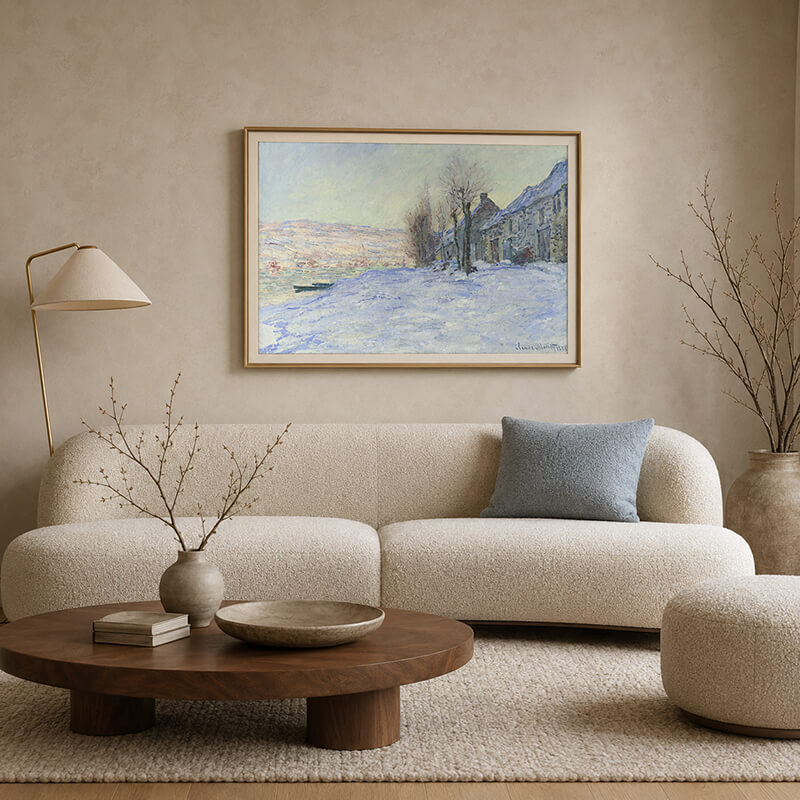
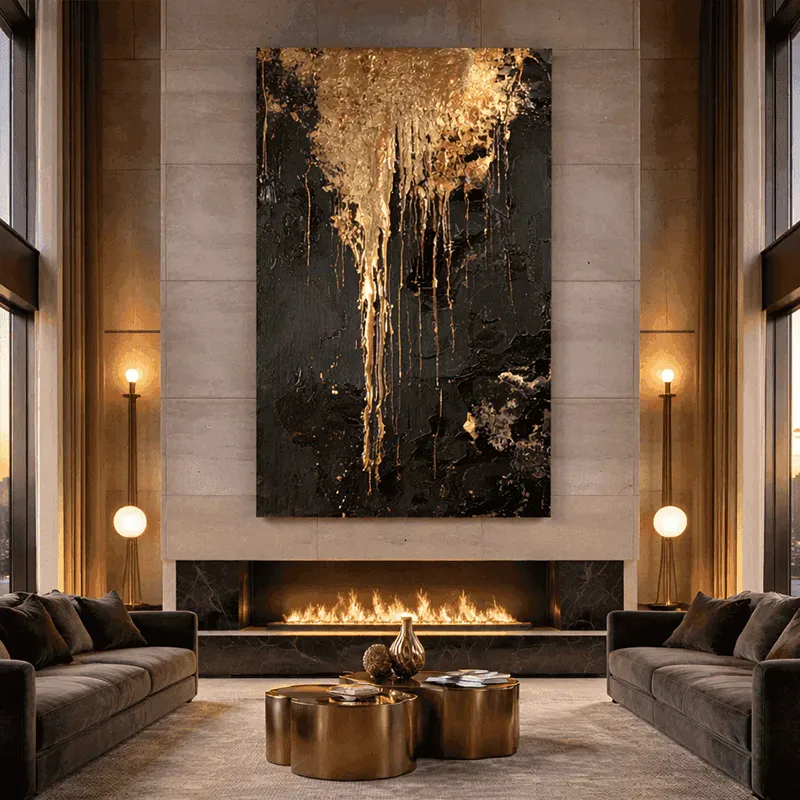
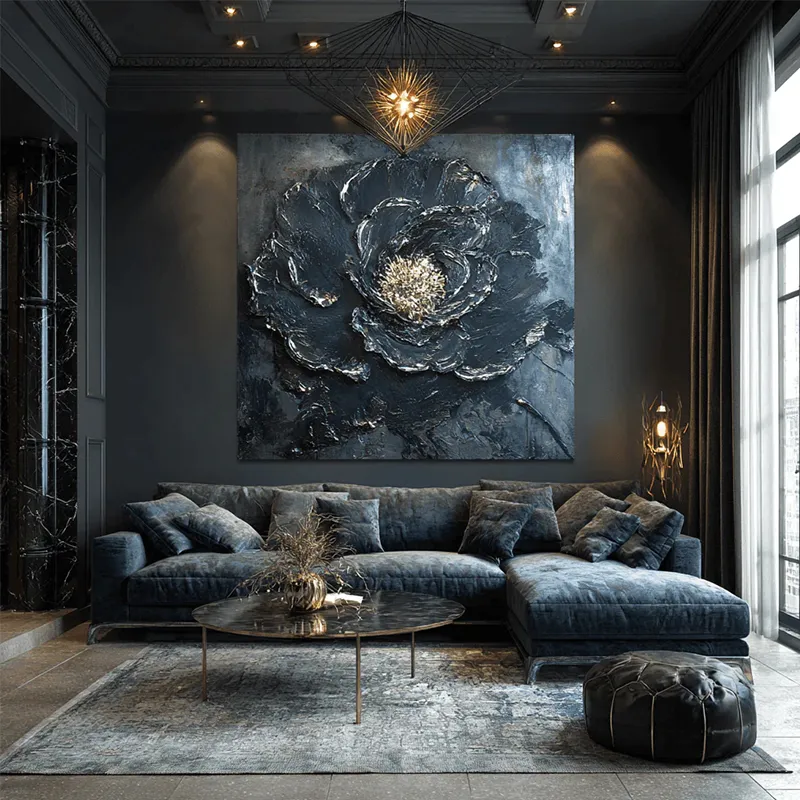
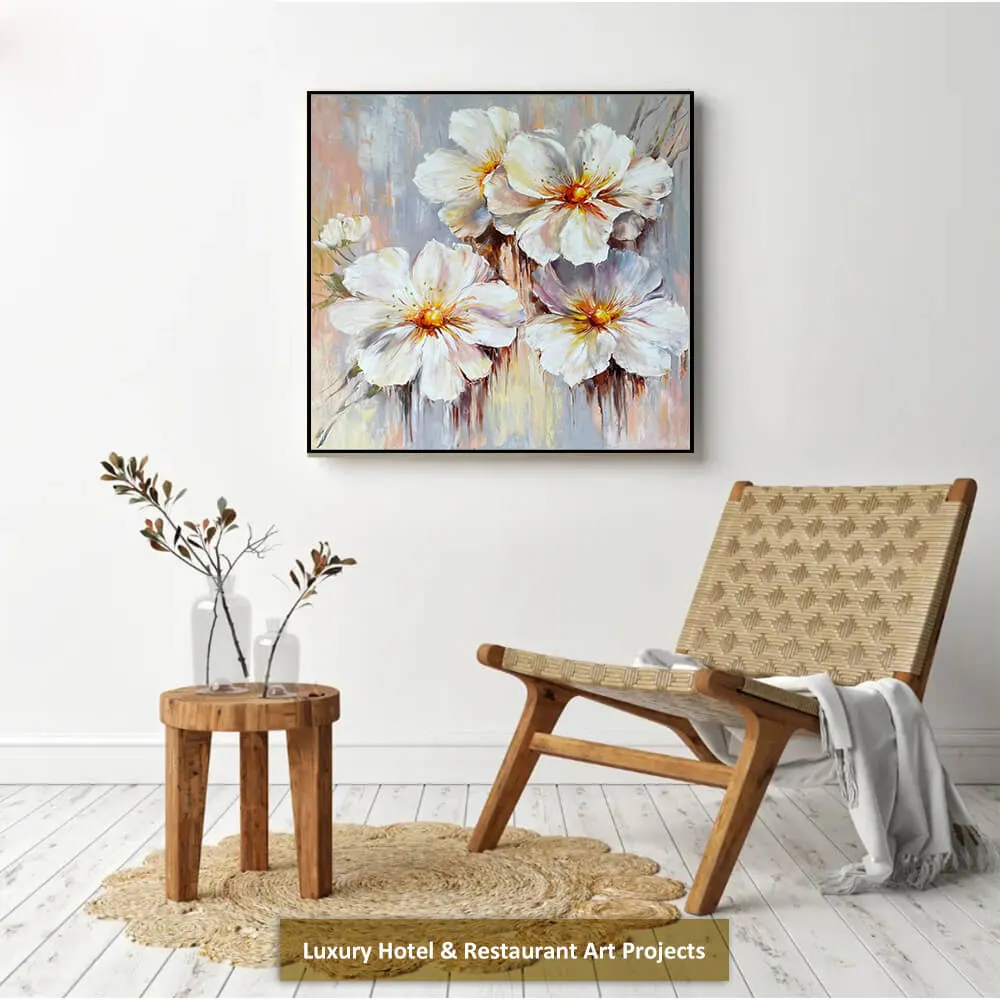
A staircase wall is one of the easiest places in a home to create a striking effect and best reflect your living style: its unique diagonal composition draws attention, and when done correctly, an ordinary hallway can become the visual focal point of the entire house.
This article thoroughly explains staircase wall decoration, from initial preparation and 6 core solutions to avoiding common pitfalls.
I. Basic Preparation: Take These Steps Before You Start to Avoid Mistakes
Before choosing frames and materials, spend ten minutes clarifying these points to save a lot of rework and design changes.
1. Define the Space’s Attributes
Different apartment layouts and family structures require completely different solutions:
-
Small Apartment with Compact Staircase: With limited space, prioritize lightweight decorations such as narrow shelves and small decorative paintings. Avoid heavy designs, as these will make an already narrow hallway feel even more cramped.
-
Villa with Double-Height Staircase: With sufficient ceiling height and an open space, consider grand solutions like wainscoting, full-wall art installations, or large areas of cultured stone. These will create a sophisticated and impressive atmosphere.
-
Families with Children: Avoid sharp decorative pieces. Round off all protruding corners to prevent children from bumping into things and getting injured while running up and down the walls.
2. Review Wall Parameters
Measure and record the following information beforehand to make informed decision-making when choosing a solution:
-
Wall height and width: Calculate the available display area.
-
Wall substrate (latex paint, bare cement, or stone): This directly determines whether drilling is possible and whether base treatment is needed.
-
Staircase type (straight, spiral, or folding): The curved walls of a spiral staircase and the flat walls of a straight staircase require completely different decorating styles.
-
Daily natural lighting duration: Directly affects the choice of artwork material and color depth.
3. Matching the Overall Style
The staircase wall is not an isolated element; it’s an extension of the overall style of the house. The decorating style must be consistent with other spaces in the home:
-
If you’re going for a minimalist wabi-sabi style, avoid complex American-style wainscoting.
-
If you’re going for an industrial style, avoid overly sweet floral wallpaper.
-
Style clashes are the most common problem in interior design—each item looks good individually, but clashes when placed together.
II. Six Core Decoration Options: From Lightweight to Atmospheric, There’s One for You
Option 1: Photo/Decorative Painting Combination – Easiest to Implement, Highest Forgiveness
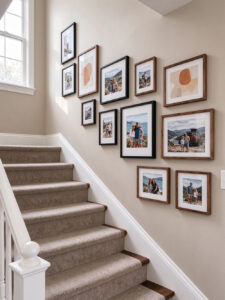
This is the preferred option for most families, as it’s cost-effective, flexible in style, and easy to adjust later.
Key Points for Operation:
-
Don’t directly hang the frame on the wall and drill holes. Cut out the frame size from newspaper or kraft paper beforehand, arrange it diagonally upwards along the stair treads, and confirm the proportions and spacing are satisfactory before drilling holes on the wall. This avoids hanging it crookedly, crampedly, or at an angle.
-
For well-lit spaces: Choose matte, non-reflective canvases to prevent the frame glass from becoming a mirror when exposed to direct sunlight, obscuring the image.
-
For areas with moderate lighting: Pair with decorative paintings with thin metal frames. The metal frame reflects light and brightens the space, making dark corners less dull.
-
Family-Oriented Design: Arrange photos chronologically according to travel dates, creating a family memory timeline from bottom to top. This creates a personalized family memory display wall, maximizing warmth and coziness.
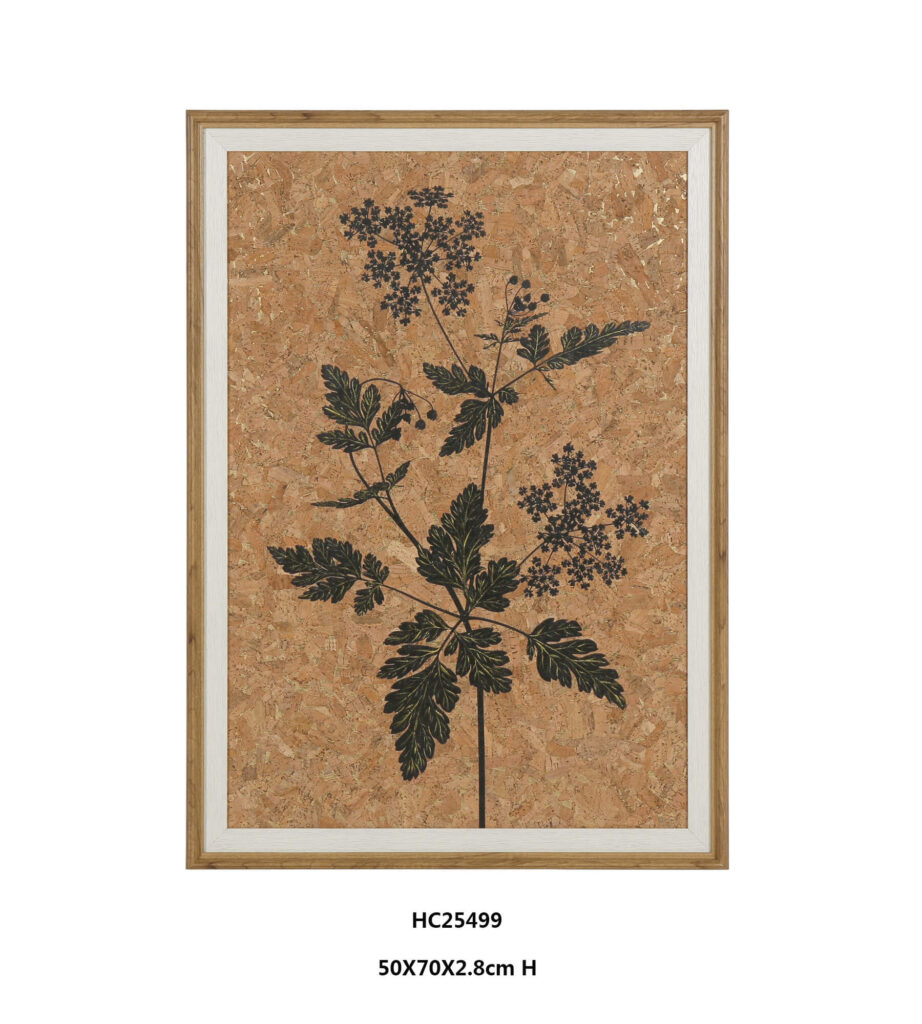
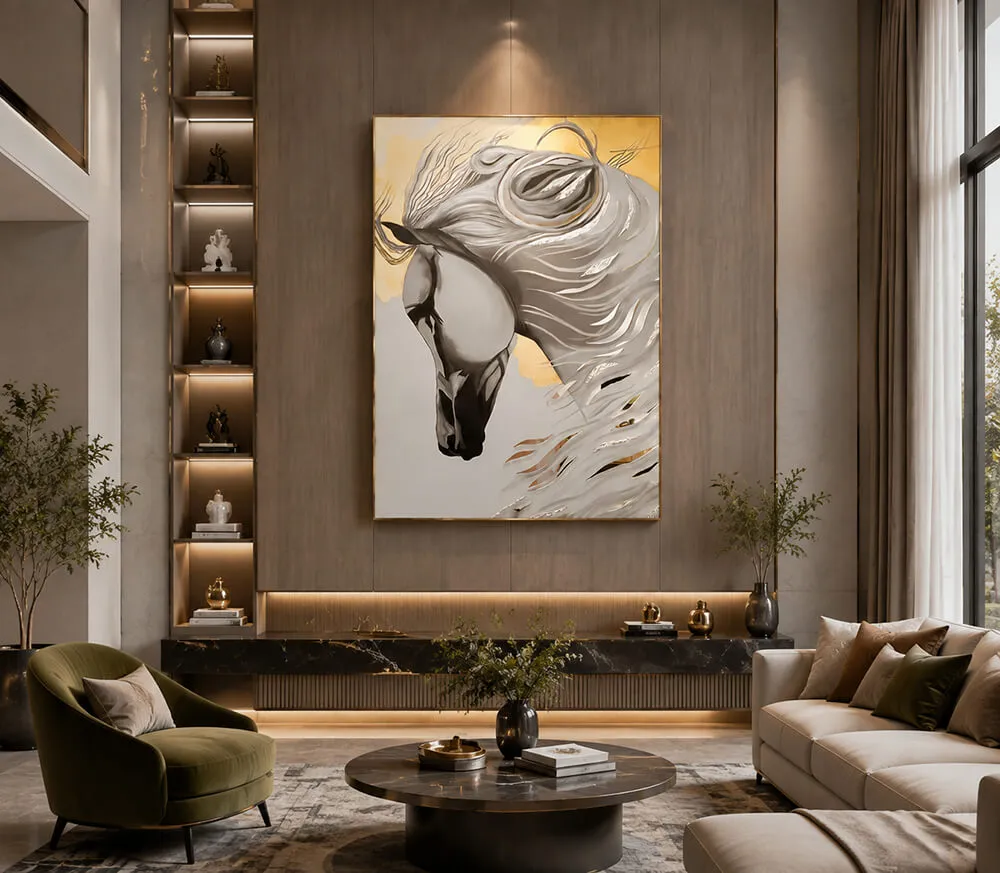
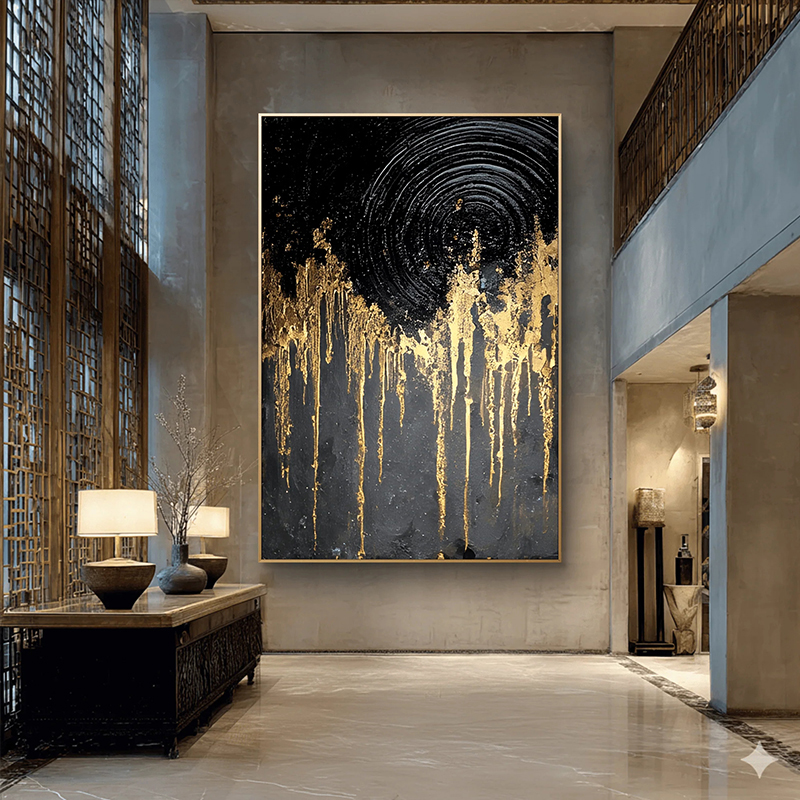
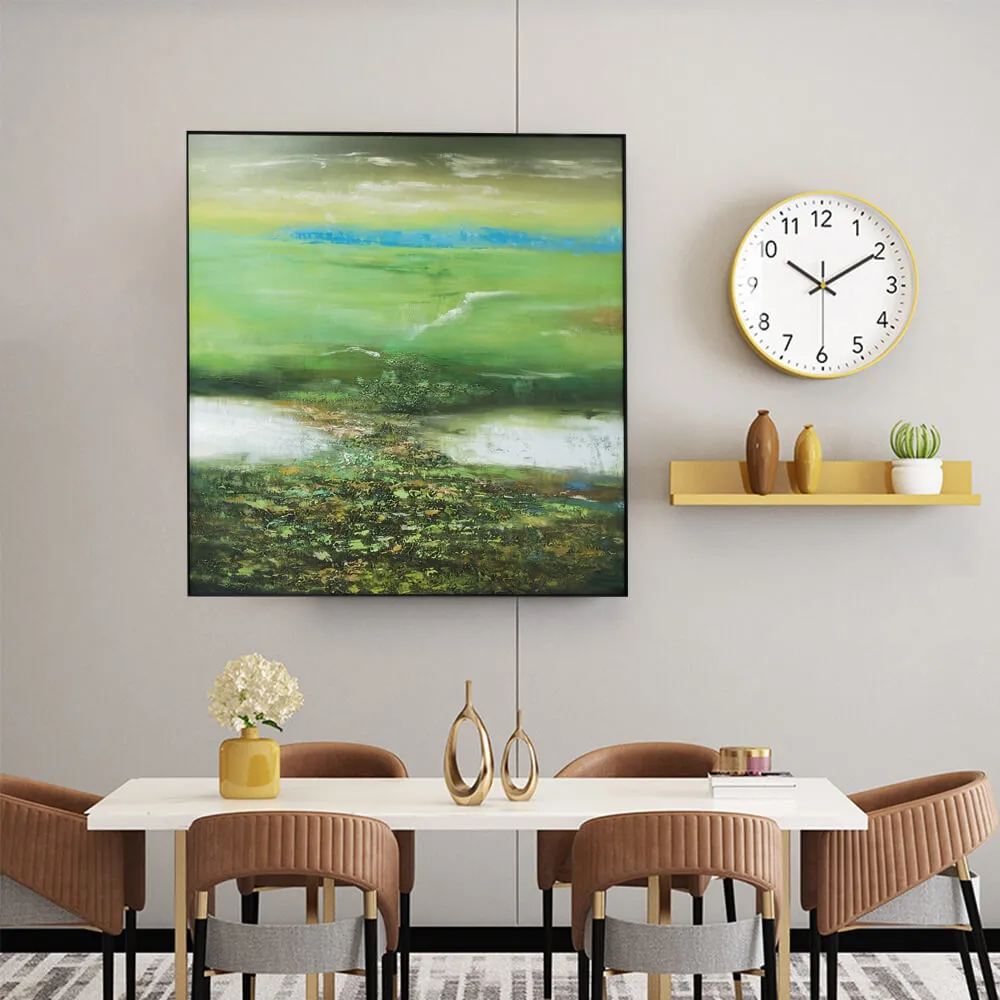
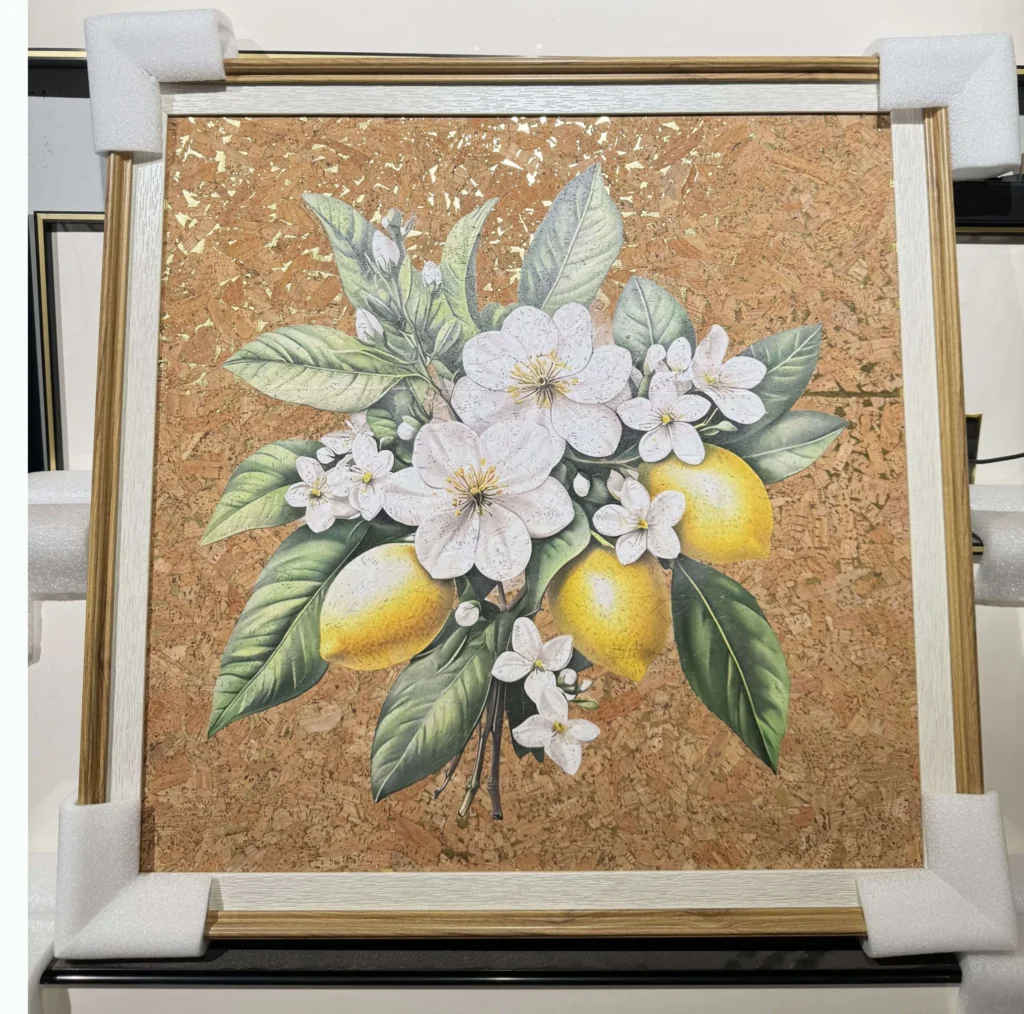
If standard flat prints or simple glass frames feel too predictable for your diagonal layout, consider introducing tactile dimension to the wall. Incorporating artisan mixed-material wall art paintings introduces subtle reliefs, wood grains, and metallic textures that catch the light from every step, creating an immediate gallery-worthy atmosphere.
Option Two: Material Finishes – A Choice for Those Seeking Texture and with a Sufficient Budget
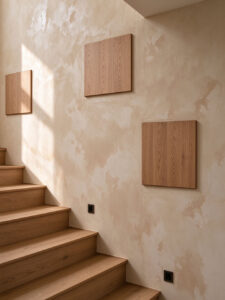
Suitable for families who want more than just paintings and desire a textured wall surface.
Three Common Applications:
-
Artistic Paint + Solid Wood Mosaic: Paint the entire wall with the same color artistic paint, then embed solid wood blocks in sections for a mosaic effect. Perfectly complements natural wood-style furniture, providing both a cohesive wall look and the natural texture of wood.
-
Wall Paneling + Molding: For a vintage American style, use dark brown wood moldings for wainscoting, paired with matching vintage wall lamps, instantly adding a sense of weight and classic atmosphere to the space.
-
Simulated Stone/Cultural Stone: Use a large area of simulated stone for the background wall of a double-height staircase. Create a grand and sophisticated feel without using real stone, at a lower cost, lighter weight, and easier installation.
Option 3: Functionality and Decoration Combined – Ideal for Small Apartments, Making the Most of Every Inch of Wall
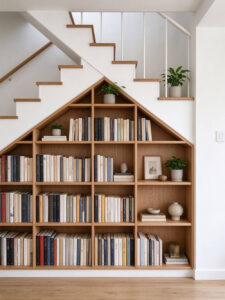
The stairwell wall itself is a long and narrow space. Utilizing it for storage is more practical than simply making it look nice.
Three Approaches:
-
Custom-Made Full-Wall Bookshelves: Build floor-to-ceiling bookshelves along the staircase, with each shelf following the sloping beam. This provides storage for books and decorative items, and the entire wall itself becomes a major decorative element, maximizing space utilization.
-
Narrow Shelf Display Area: Install several rows of shallow, narrow floating shelves to display small potted plants, figurines, or travel souvenirs. This avoids large-scale drilling that could damage the wall, and it’s easy to adjust the placement or change the displayed items later.
-
Niche Design: Carve out recessed niches into the wall, add spotlights, and display delicate items such as porcelain and aromatherapy products. This maximizes both ambiance and display space without taking up hallway space.
Option Four: Wallpaper/Wallcovering/Color – Low-Cost Renovation First Choice
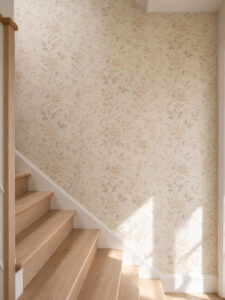
The simplest and fastest-acting solution; changing the color or texture completely transforms the atmosphere of the stairwell.
Color and Style Selection Principles:
-
Poorly Lighted Stairwells: Choose light beige or light gray, low-saturation solid-color wallcoverings. They offer more texture than plain white walls, won’t feel oppressive, and can brighten the space.
-
Well-Lighted Spaces: Try low-saturation floral or geometric patterned wallpapers, but avoid overly flashy or high-contrast designs, as these can cause visual fatigue after prolonged viewing.
-
Follow the “Light on Top, Dark on Bottom” Color Principle: Use light colors for the walls and medium to dark colors for the stair treads. This visually elongates the height, making a small stairwell appear more spacious.
Option Five: Mirrors and Lighting – Specifically Addressing the Pain Points of Dark or Small Staircases
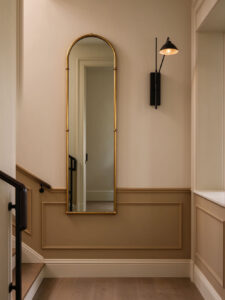
If your stairwell is narrow and dark, and paintings and wallpaper can’t save it, then start with lighting and visual illusions.
Methods:
-
Install mirrors or mirror mosaics on parts of the wall. The reflection effect visually doubles the size of a narrow stairwell, while also supplementing light and brightening dark corners.
-
Combine with wall washer lights and step-sensor lighting strips: Lighting the wall softens monotony and creates ambiance; step-sensor lighting strips solve the problem of finding your way up and down stairs in the dark at night, directly improving safety.
Option Six: Niche and Unique Solutions – Suitable for Families Seeking Personalization
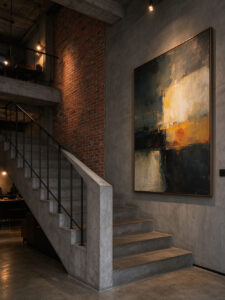
The first five categories are general solutions. If your staircase has a unique structure, or you want a more distinctive effect, try these ideas:
-
Curved Wall on a Spiral Staircase: Curved walls are difficult to hang regular picture frames on, and aligning the holes can be challenging. Simply cover the entire curved wall with a large canvas; no need to worry about arrangement, the effect is complete and grand.
-
Partial Cultural Brick + Exposed Cement Handrails: A perfect match for industrial-style homes. Partial wall cladding with exposed brick, paired with bare cement or metal handrails, creates a rugged artistic atmosphere, full of personality.
III. Avoiding Pitfalls in Construction: These Last Few Points Determine Whether the Result is a Failure
Once the design is chosen, there are a few details to pay attention to during the construction and material selection stages:
-
Materials Must Be Stain-Resistant and Easy to Clean: Stair handrails are frequently touched areas, so prioritize stain-resistant materials that can be repeatedly wiped clean; otherwise, the walls will quickly become mottled and yellowed.
-
Safety During Construction: Avoid piling too many tools and materials on the stair treads to prevent tripping. After completion, promptly protect the wall surface to prevent further contamination from subsequent construction work.
-
Strictly adhere to the 60-30-10 golden ratio for color matching:
-
60%: Main wall color (large areas of paint, wallpaper)
-
30%: Secondary color (stair treads, handrails)
-
10%: Accent color (decorative paintings, ornaments, cushions)
-
Balancing different finishes along an inclined staircase requires a disciplined visual palette. Drawing from classic principles in color theory, maintaining a clear ratio between dominant tones and accent highlights prevents the vertical hallway from feeling visually chaotic.
Following this ratio, you can’t go wrong with any color scheme.
The staircase wall isn’t a scrap of decor; it’s one of the most easily overlooked yet most striking spaces in your home. Starting with the right design, utilize that sloping wall effectively, making every trip up and down the stairs a visual delight.