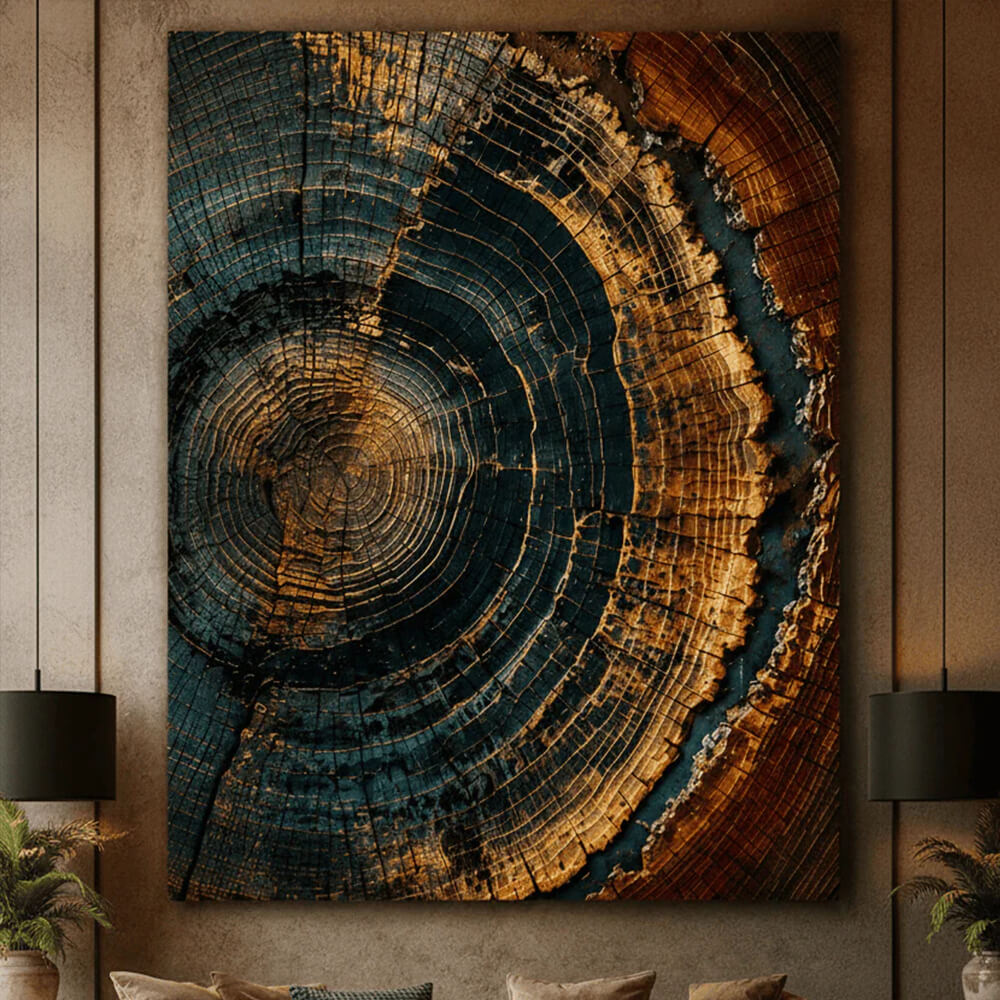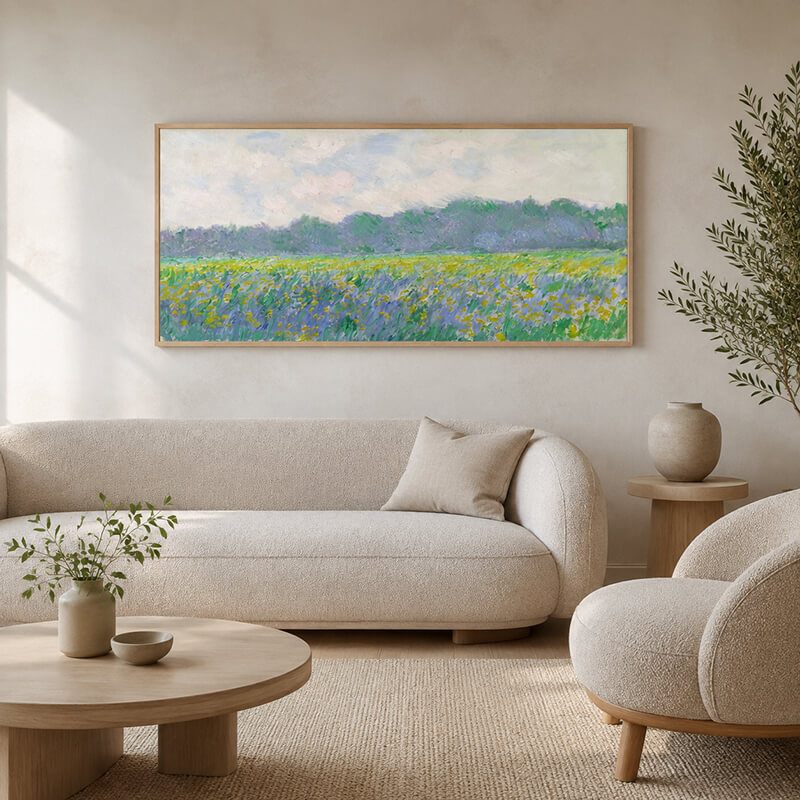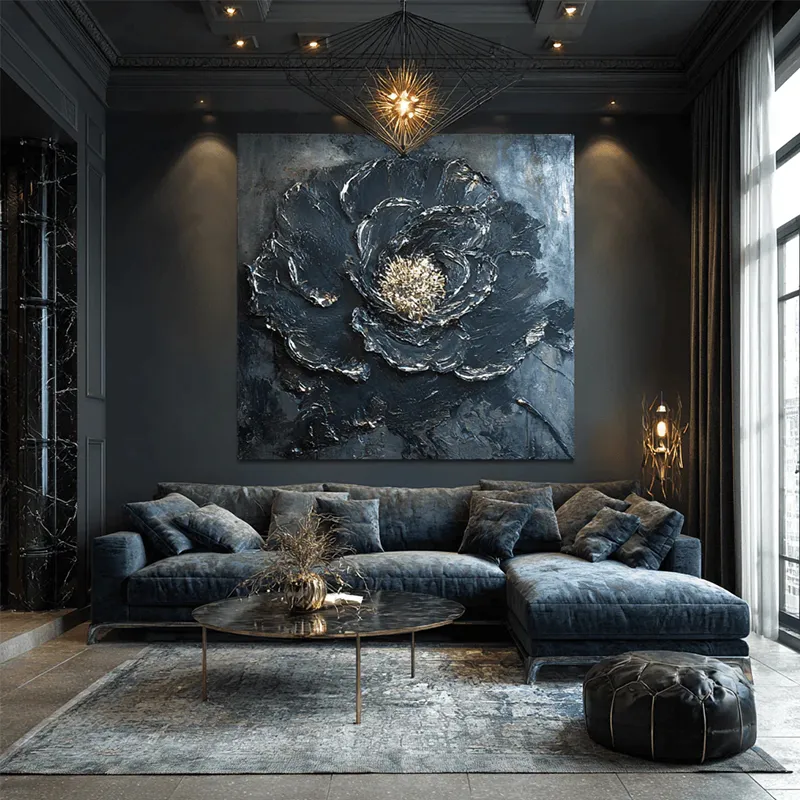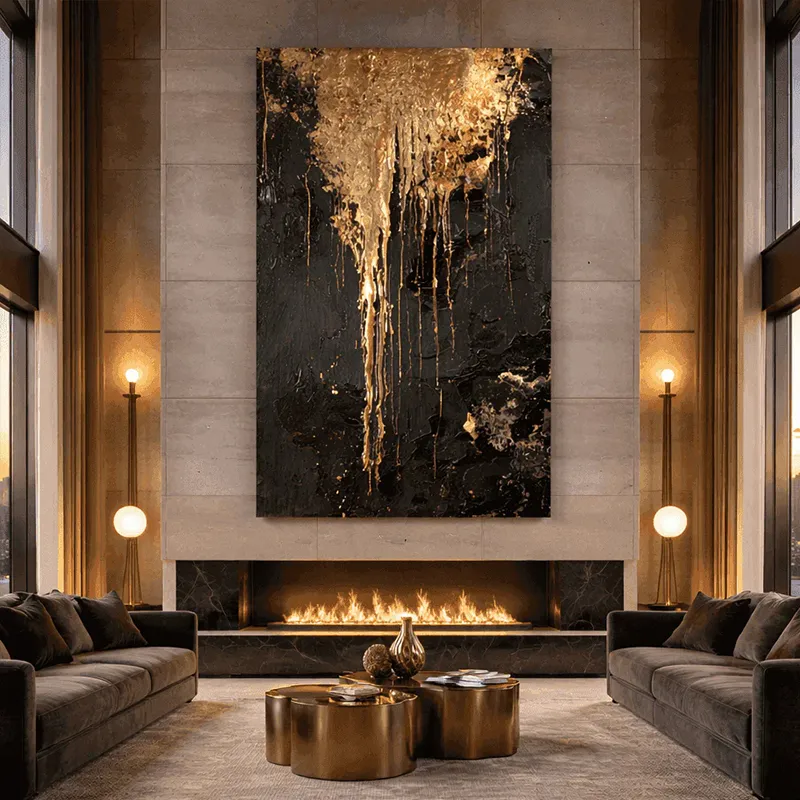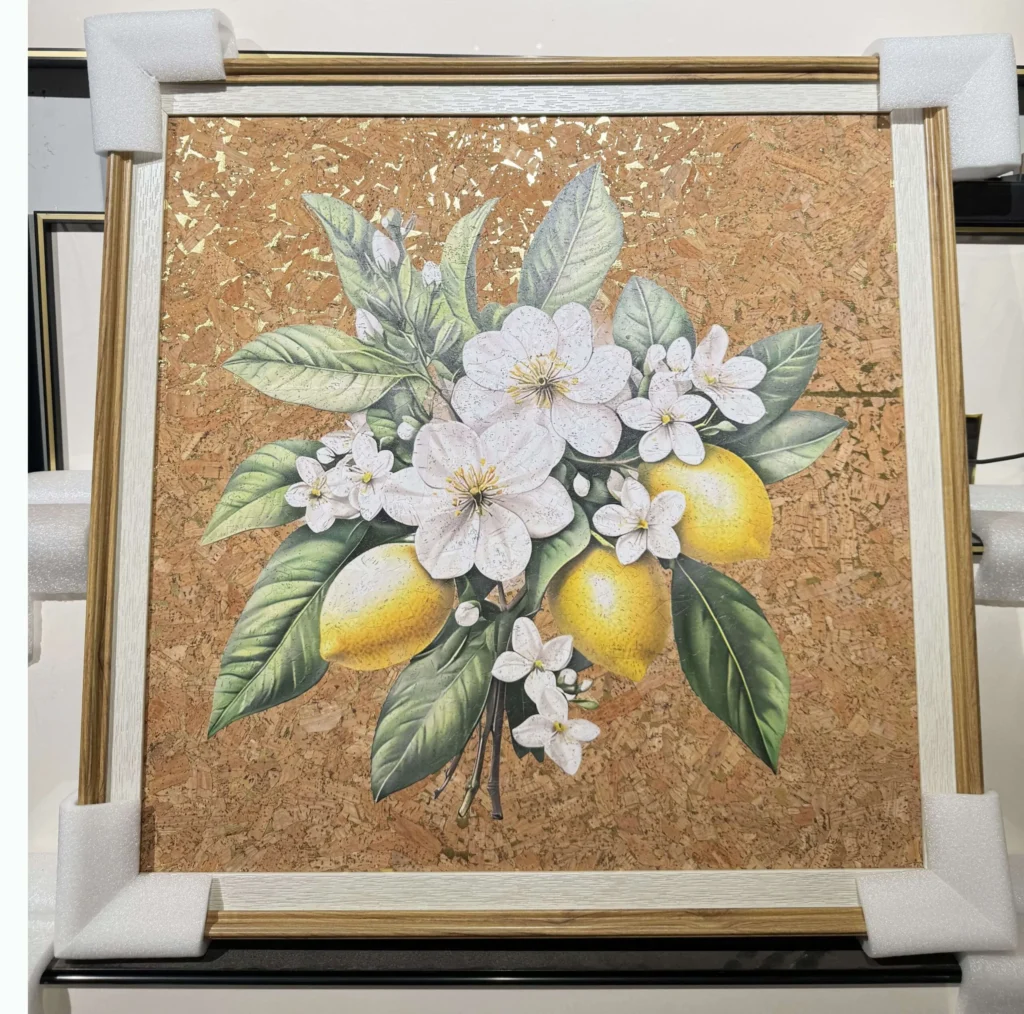
Living room wall paintings do more than decorate an empty surface. They introduce color, create a focal point, and help a space feel considered rather than unfinished. Whether you love expressive abstract canvases, quiet landscapes, or traditional oil paintings, the right artwork can give your living room a character that furniture alone cannot provide.
But choosing a painting online is not always simple. This guide explains how to compare painting styles, materials, sizes, and finishing details so you can choose with confidence.
Start With the Atmosphere You Want
Before browsing hundreds of designs, think about the feeling you want your living room to create. Should it be peaceful and understated, energetic and artistic, or sophisticated and dramatic?
For a relaxed interior, try soft landscapes, organic shapes, or abstract paintings in cream, sage, sand, and muted blue. For a more expressive space, look for confident brushstrokes, deeper colors, or a painting with a strong central composition.
A painting should connect with the room without copying every existing color. Repeating one or two tones from your cushions, rug, or upholstery is often enough.
Explore Popular Painting Styles
Abstract and Modern Paintings
Modern living room paintings are particularly versatile because they rely on color, shape, texture, and movement rather than a specific subject. A large abstract canvas can work beautifully with clean-lined furniture, while minimalist artwork adds visual interest without making a small room feel busy.
Landscapes and Nature-Inspired Art
Ocean scenes, mountains, forests, and botanical paintings can soften a room dominated by straight lines and hard surfaces. Their colors also make it easy to build a cohesive palette around natural materials such as linen, oak, and stone.
Traditional and Figurative Paintings
Classic oil paintings, portraits, floral compositions, and carefully chosen reproductions create a more collected atmosphere.
Understand the Difference Between Painting Materials
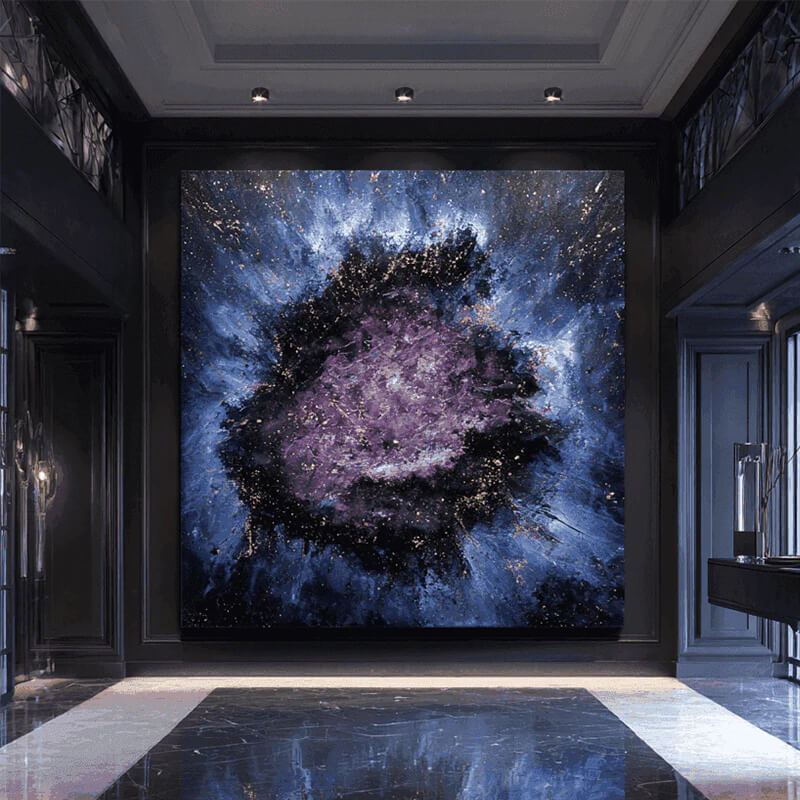
Not every piece described online as canvas art is painted by hand. Understanding the medium helps you compare appearance, maintenance, and value.
Oil paintings often offer layered color, expressive brushwork, and subtle depth.
Acrylic paintings can deliver vivid color, flexible styles, and anything from smooth surfaces to raised textures. Their finish depends on the artist’s technique and any protective coating.
Watercolor paintings are prized for transparent washes and delicate transitions. They are commonly displayed behind protective glazing with appropriate mounting to reduce exposure to dust and handling.
Canvas prints reproduce an existing image through printing rather than hand painting. Some pieces combine printing with hand-applied texture; product descriptions should clearly explain that distinction.
Textured and mixed-media paintings incorporate materials or dimensional finishes that change with the light. They can create a striking statement, but photographs should show both front and angled views so you understand the actual surface.
Choose the Right Size Before You Order
One of the easiest mistakes is falling in love with a painting before checking the dimensions. Artwork that looks substantial in a product image may appear too small above a wide sofa.
As a useful starting point, choose a painting or coordinated group measuring around two-thirds of the sofa’s width. Consider the ceiling height, nearby windows, and space between the painting and the furniture. A horizontal format typically suits long sofas, while vertical artwork can help narrow walls feel taller.
For a compact living room, one well-scaled painting may be more effective than several unrelated pieces. For an open-plan interior, an oversized canvas or diptych can establish a clear visual anchor.
Mark the proposed dimensions on the wall with removable painter’s tape before purchasing.
Match Color to Your Lighting
Paintings change throughout the day. A glossy finish can reflect windows or ceiling lights, while matte artwork usually appears softer under direct illumination. Dark paintings may feel especially dramatic in bright rooms but less legibl