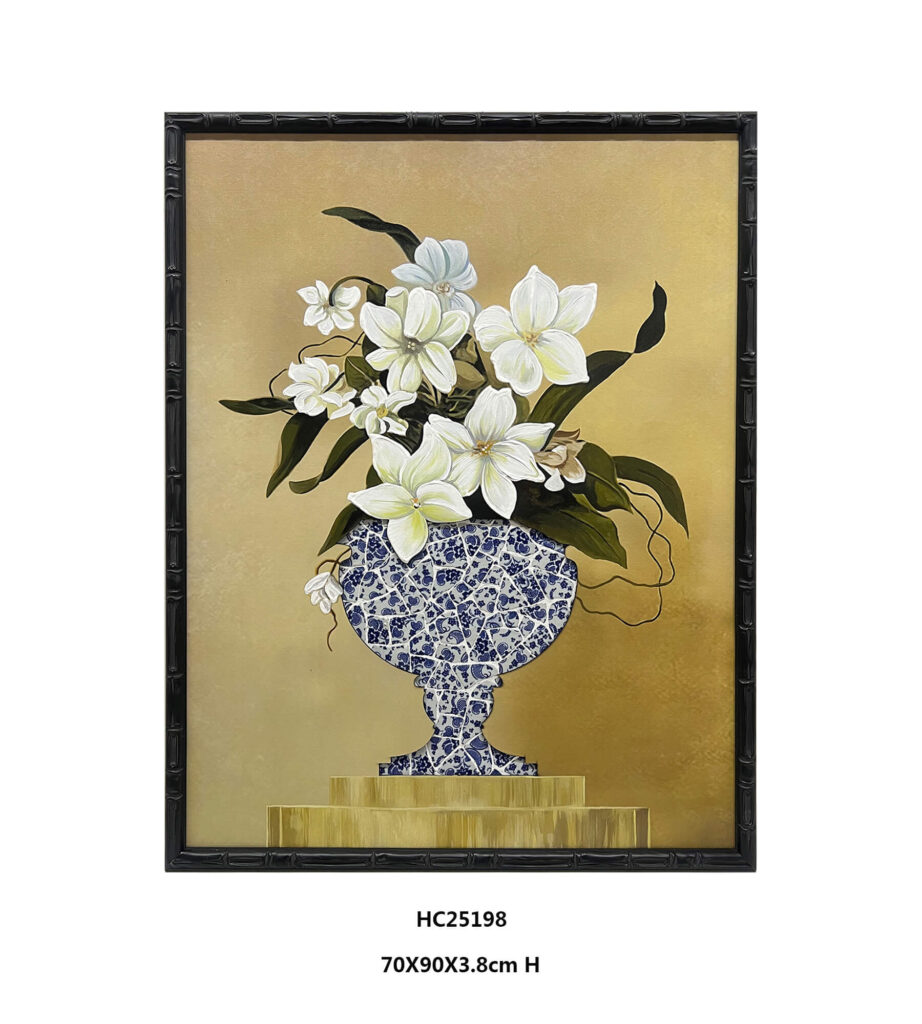
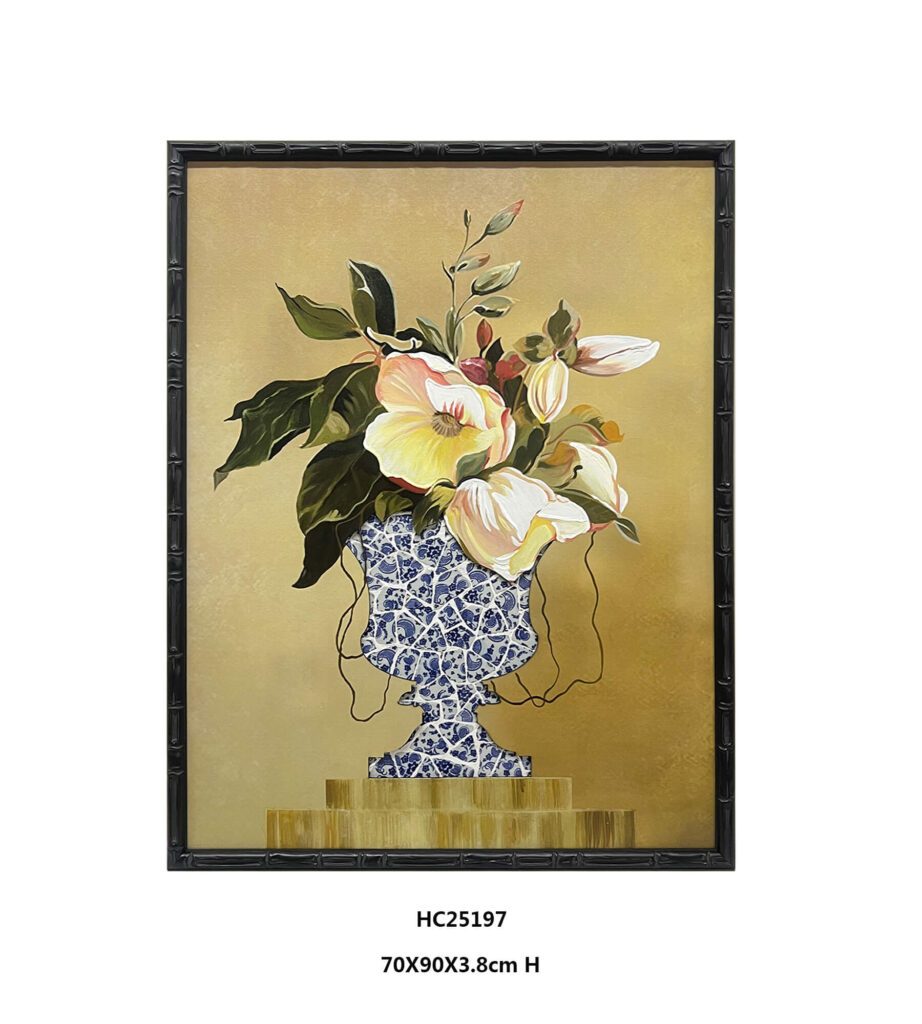
Reliable Magnolia Porcelain Shard Vase Wall Art for European Buyers
Two suppliers may offer a similar unit price, but the final profit can be very different. Large cartons, transit damage, rework, claims and slow-moving stock can quickly increase the total buying cost. Therefore, European buyers sourcing Magnolia Porcelain Shard Vase Wall Art should compare clear product specifications and supply controls before comparing quotations.
Set the Product Specification Before Comparing Prices
First, buyers should create one specification sheet for every supplier. It should confirm whether the vase uses real porcelain shards or a printed pattern. It should also list the finished size, weight, frame material, background colour, hanging system and packing method.
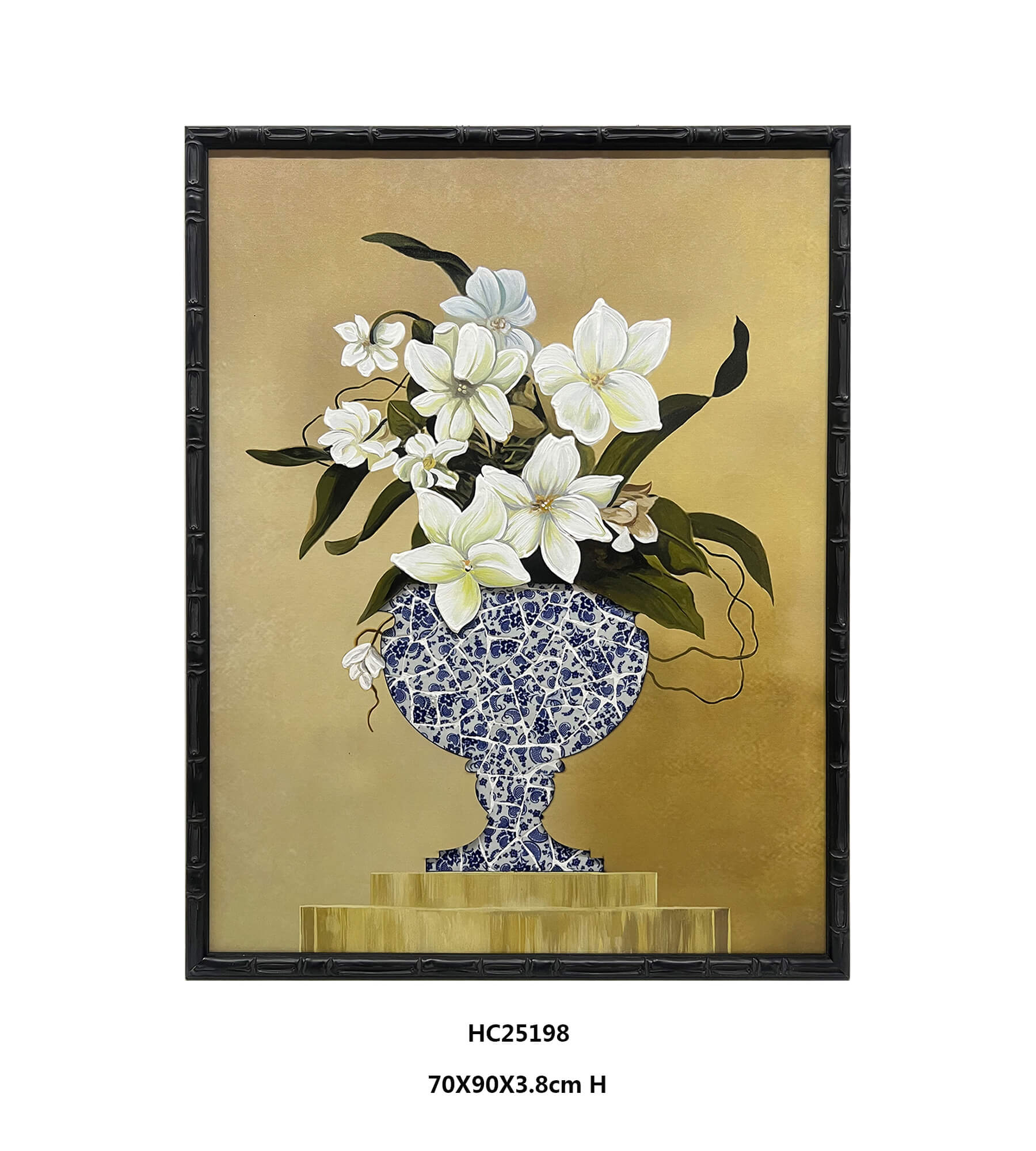
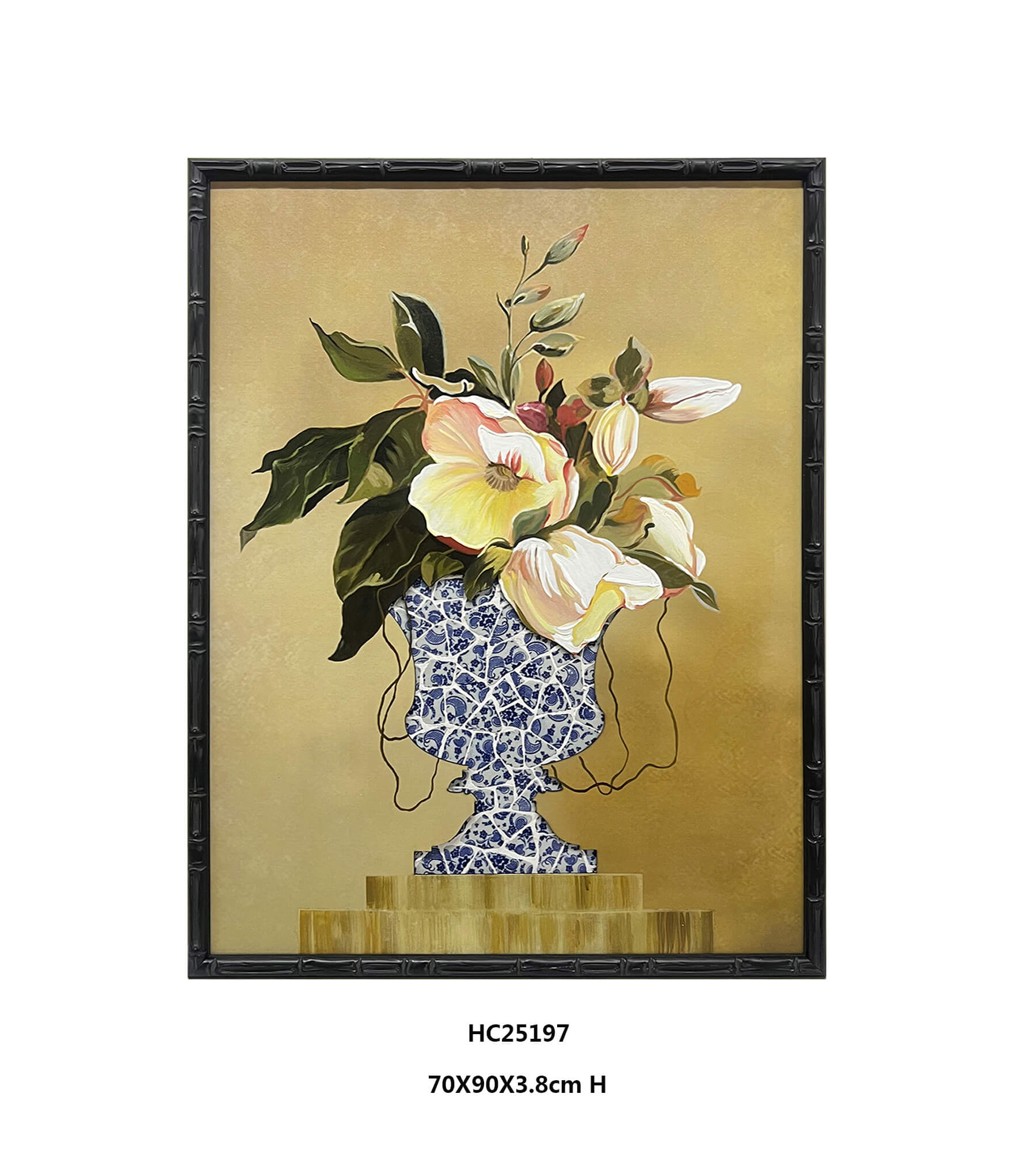
The reference size is 70 × 90 × 3.8 cm. However, custom sizes may affect the frame structure, carton volume and freight cost. An approved sample and signed specification help prevent material or colour changes during bulk production.
Compare Total Cost Rather Than Unit Price
A useful quotation should include more than the product price. Buyers should compare carton dimensions, units per carton, pallet requirements, estimated breakage risk and possible rework costs.
Unlike rolled canvas art, porcelain shard wall art contains raised and fragile parts. As a result, it needs stronger protection and may require more shipping space. Buyers should also agree on the delivery point and responsibility for transport risk. The official ICC Incoterms guidance can help both parties define delivery costs and responsibilities more clearly.
Develop a Retail Range Instead of One Product
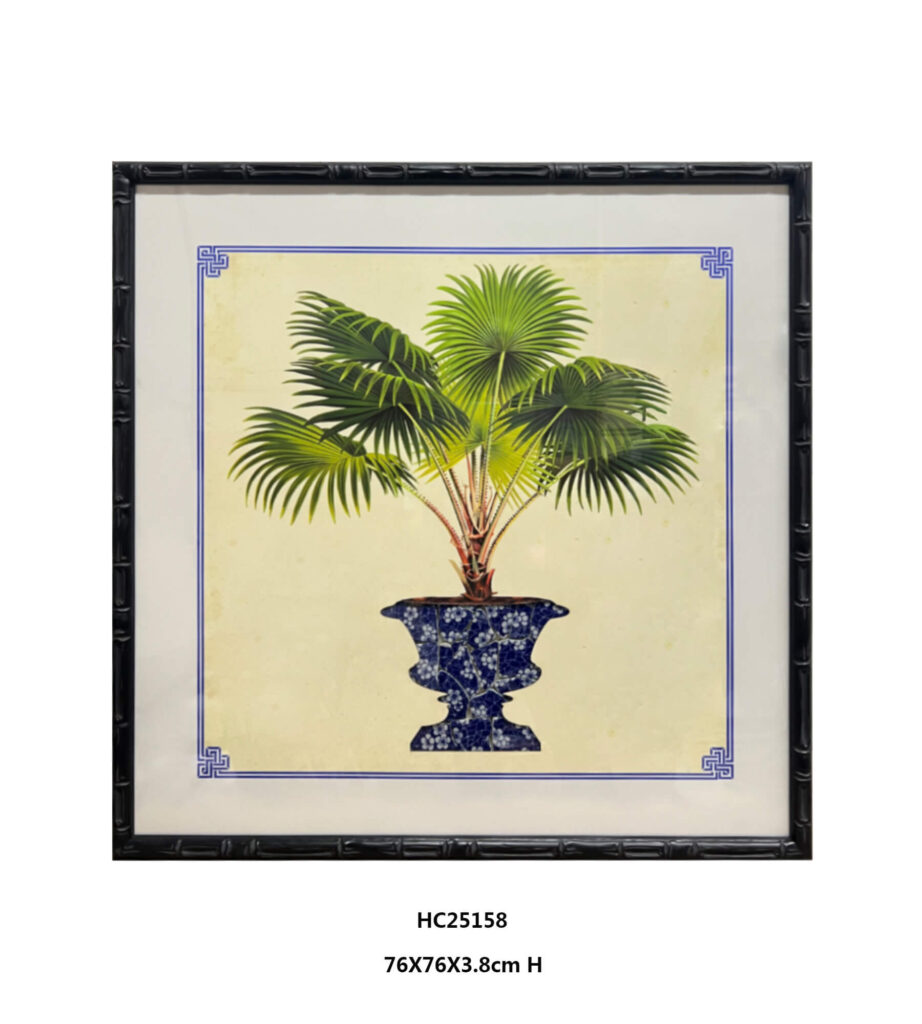
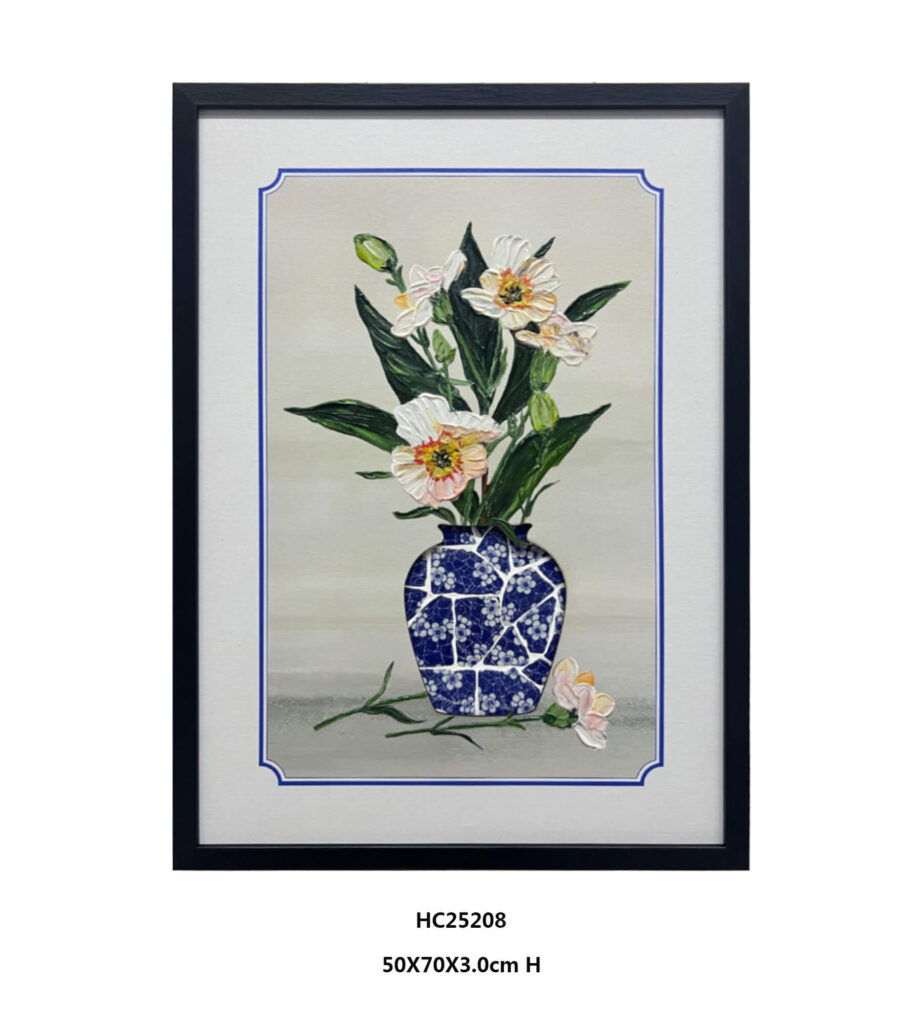
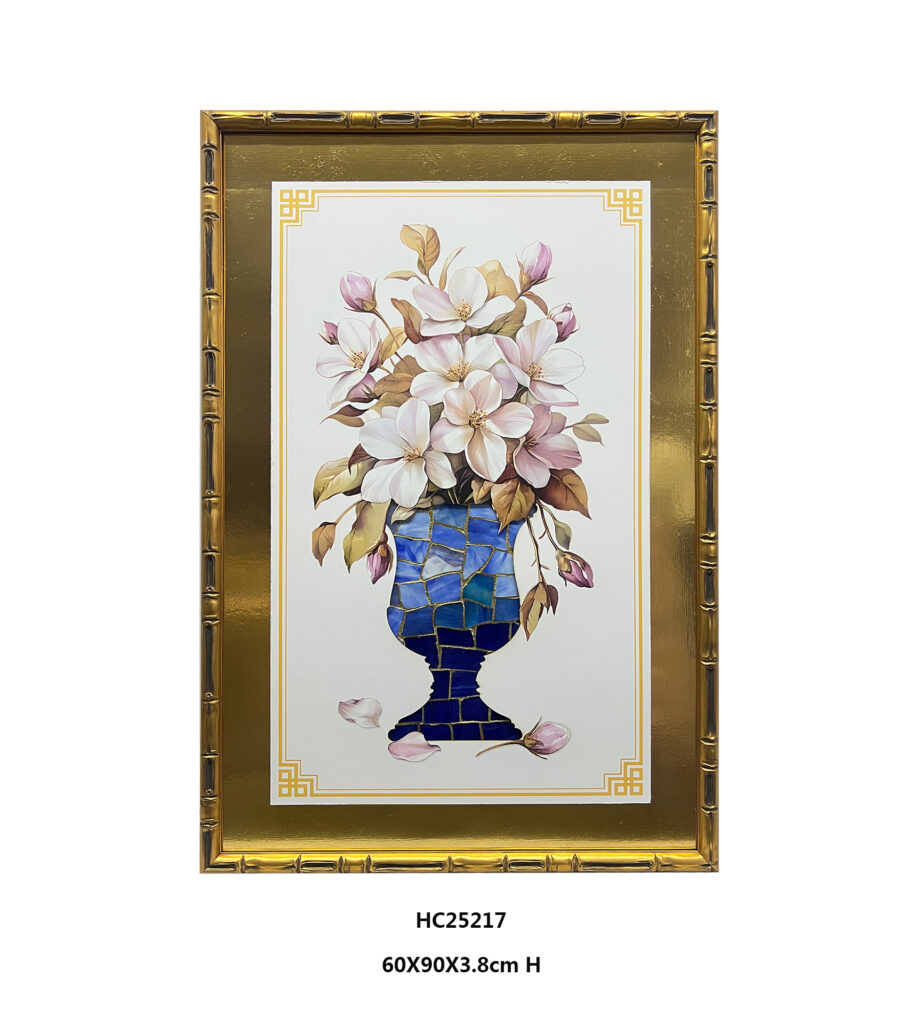
The two magnolia designs can be ordered as individual pieces or as a coordinated pair. In addition, buyers may adjust the frame finish, background colour, size and packaging for different retail channels or interior projects.
A coordinated range can support shop displays, hotel room schemes and seasonal collections. Original designs may also reduce direct comparison with widely available products. However, buyers should still review the design, price level and target market before confirming a range. Our floral porcelain shard wall art collection provides further options for coordinated product planning.
Audit the Factory Handover Points
Good production control depends on how information moves between each team. Buyers should check the handover from design approval to sampling, material purchasing, porcelain shard placement, frame assembly, quality inspection and packing.
For example, every design or material change should have a written record, updated image and clear approval date. Meanwhile, one responsible contact should report progress and confirm any issue before production continues. This process helps reduce misunderstandings between OEM or ODM requirements and the final goods.
Control Order Milestones and OEM ODM Changes
The production plan should show separate dates for sample approval, material preparation, bulk assembly, inspection and shipment booking. Therefore, buyers can identify delays before they affect a project deadline.
OEM and ODM changes should never be confirmed by appearance alone. A new size, frame, colour or logo may change material use, production time and carton dimensions. Before approval, the supplier should explain how each change affects cost, lead time and export packing.
Reduce Transport Cost and Claim Risk
Protective packing should match the product structure and shipping method. Foam layers, frame corner guards, surface protection and individual cartons can reduce scratches, loose shards and damaged corners. For larger orders, buyers should also review carton strength, pallet layout and container loading plans.
Finally, request packing photos, carton measurements, gross weight and pre-shipment inspection records. These details support freight planning and make any later claim easier to review.
For a practical quotation, please send your required quantity, size, destination port, delivery date and customization details. We can then prepare a sampling, production and packing proposal for your project. Which issue affects your sourcing most—freight volume, batch consistency, OEM changes or transit damage?